
 Kde nakoupit
 Zóna distributorů
Blog,
ABC osvětlení,
04.03.2026
Future-proof lighting — Clear White and Tunable White as 2026 trends in architecture
Architecture is becoming increasingly aware that one-size-fits-all solutions are an illusion. Societies are ageing, the needs of building users are becoming ever more diverse, and LED technology is finally mature enough to meet individual requirements without energy compromises. The year 2026 will be a watershed moment when two advanced lighting technologies — Clear White and Tunable White — transition from the category of niche innovations to practical standards in modern building design. For architects, interior designers, and public sector professionals, this means the opportunity to create spaces that not only meet functional and energy requirements but also actively support the health and wellbeing of every user, regardless of age or individual challenges related to visual perception.
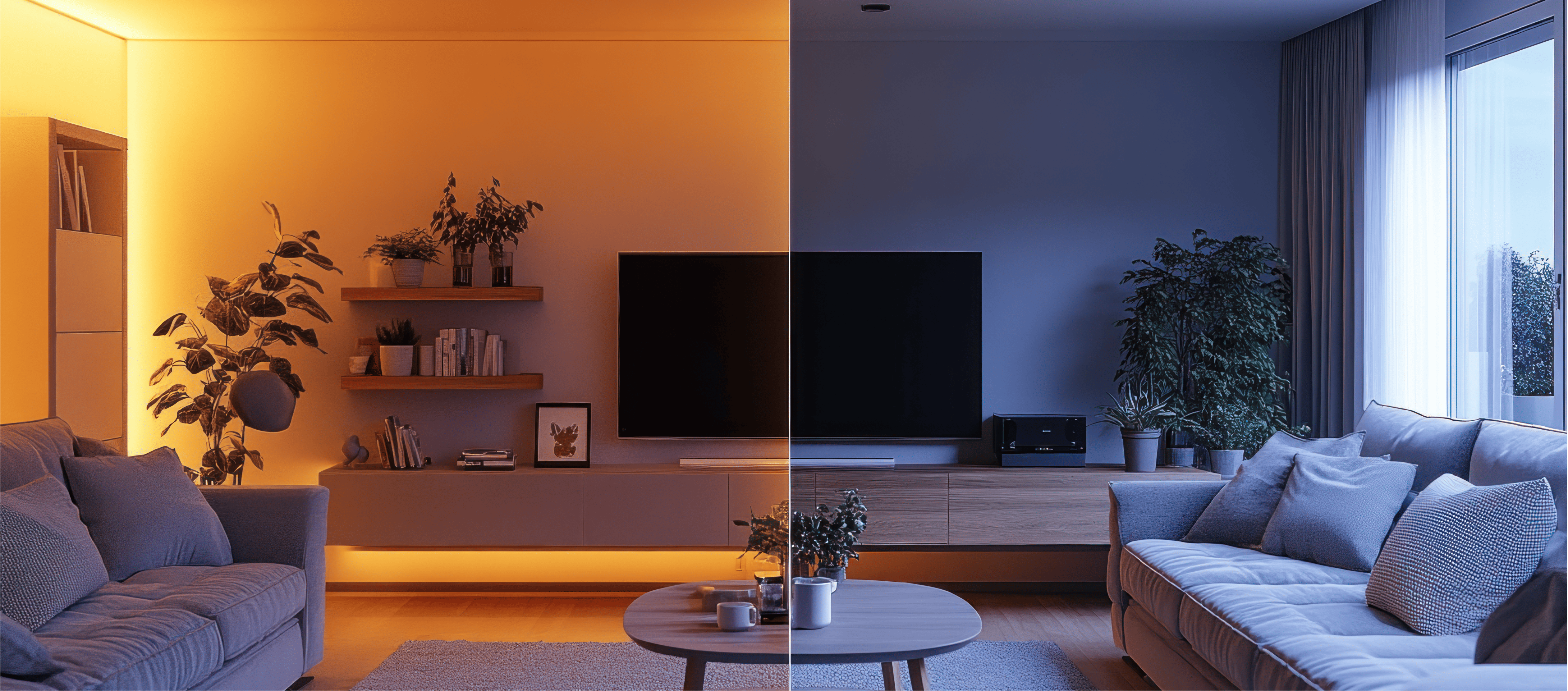
Clear White, Tunable White
Why is the ageing population changing the foundations of lighting design?
The demographic shift we are observing worldwide is not merely a matter of statistics. According to European Union forecasts, by 2050, people aged 60+ will constitute over 34 percent of Poland's population. In Western European countries, this percentage is already higher. This means that the buildings we design today — apartments, hospitals, care homes, offices — will be inhabited or used by older people for a significant part of their lifecycle. Architecture that ignores this phenomenon condemns its users to discomfort and, in many cases, compromises their safety.The problem is particularly acute in the context of lighting. The human eye undergoes radical biological changes with age. After the age of 50, the eye's ability to adapt to changes in light intensity decreases significantly. The lens of the eye yellows — a chemical effect that reduces the amount of the blue spectrum reaching the retina. For an 80-year-old, standard white LED lighting with a temperature of 5000K appears yellowish, blurred, and low in contrast. Reading a newspaper, preparing a meal, moving safely around the flat — all these daily activities become significantly more arduous.
Concurrently, society has become aware of the impact of lighting on health and biological rhythms — particularly concerning sleep, mood, and cognitive performance. Younger building users are increasingly realising that light — its colour temperature, intensity, dynamic changes — is not a decoration, but a tangible element that shapes their quality of life. These two trends — an ageing population with special visual needs and a growing awareness of lighting's impact on health — converge at one point: the need for personalised, advanced lighting that adapts to the individual needs of users.
Profile: LIPOD-50
Profile: 45-PLUS
Profile: LARKO-50
What is Clear White and why is this technology revolutionising lighting for older people?
Clear White is an advanced lighting technology developed and launched on the market in 2023. Its aim is to solve a fundamental biological problem faced by the elderly: the reduction of visual contrast caused by the yellowing of the eye's lens with age.The technology works through the precise optimisation of the light spectrum emitted by the LED. Instead of emitting the full range of white light — as a traditional LED does — Clear White reduces the yellow components and adjusts the chromaticity below the standard Planckian locus, which traditional white light sources follow. This technical adjustment seems unnoticeable to younger observers, but for older people, it represents a radical change in the perception of their surroundings.
Research conducted by experts has shown that an 80-year-old looking at objects illuminated by Clear White LEDs perceives them with a brightness and contrast similar to the vision of a 20-year-old illuminated by standard white 5000K LEDs. White objects look clearer and cleaner. Text contrast — for example, black print on white paper — increases significantly. Newspaper and magazine pages appear whiter, sharper, and more legible. This leads to practical benefits in daily life: seniors can read for longer without eye strain, navigate spaces more safely, and orient themselves better in their environment.
The technology additionally integrates high colour rendering indices (CRI above 90) and a unique phosphor (including narrow-band red KSF phosphor and technologies such as TriGain) ensuring both high contrast and sufficient energy efficiency. Clear White is therefore not only a gain for eyesight — it is also an ecological solution that does not require drastic increases in energy consumption to improve lighting conditions.
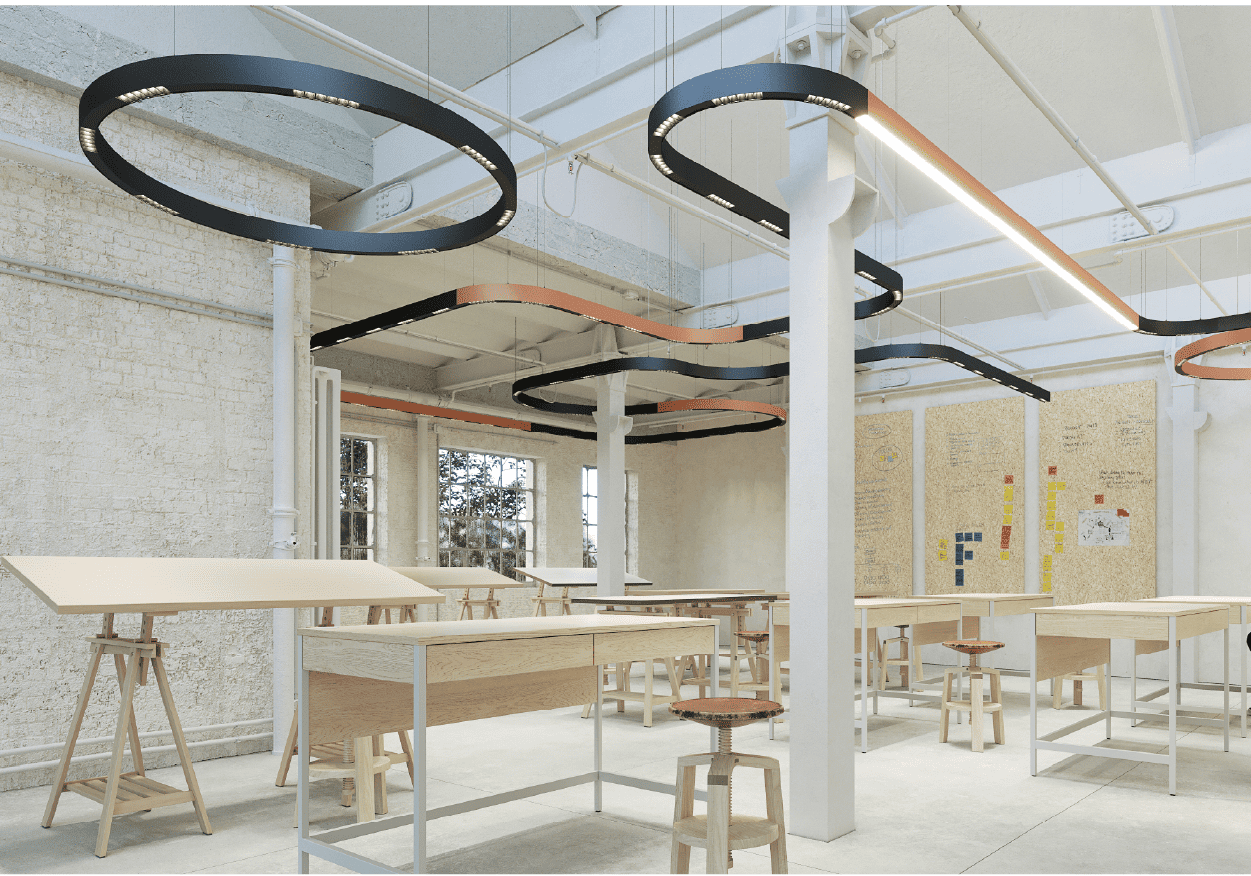
Profile: SERPENT-PLUS
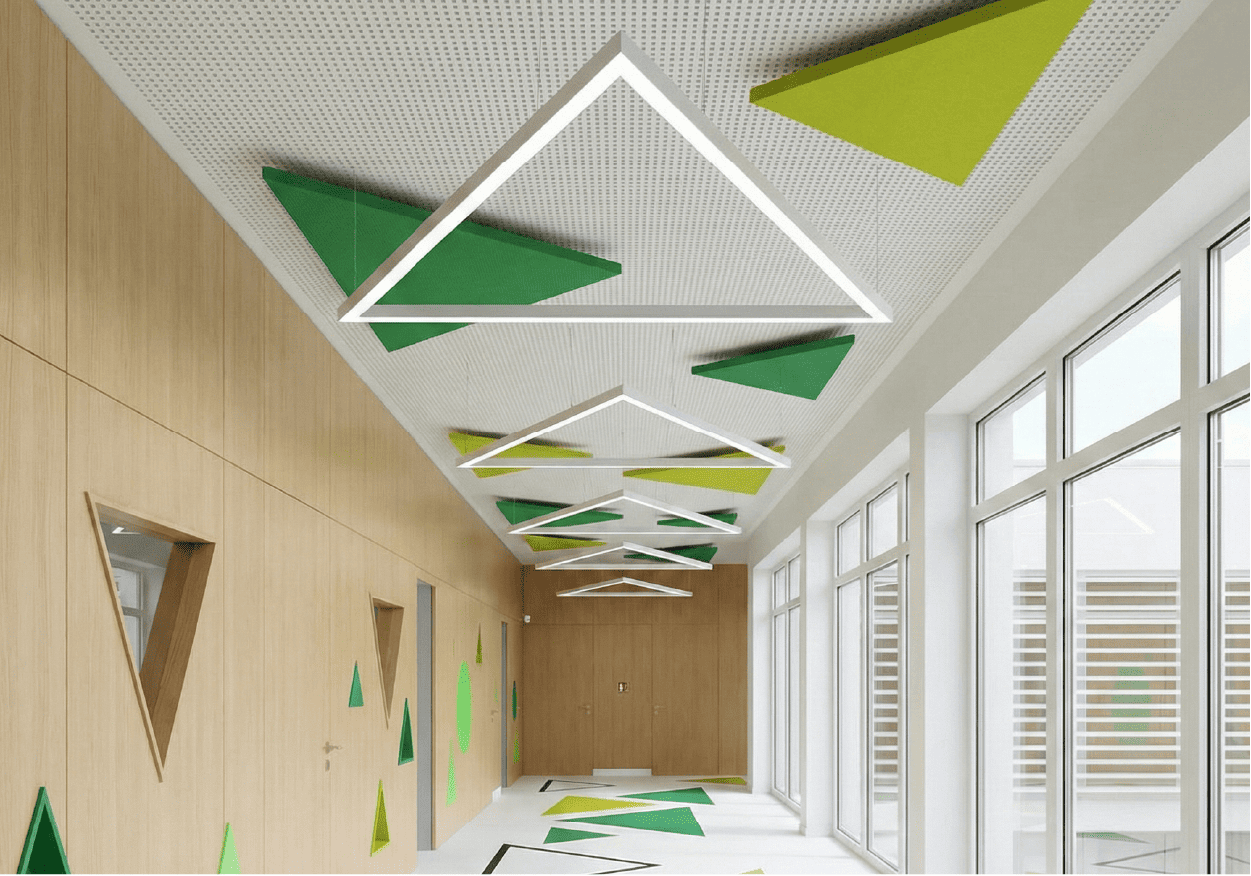
Fixture: TRIO
Fixture: CIRCA
What are the practical applications of Clear White in architecture?
The applications of Clear White extend beyond individual apartments. The technology is particularly valuable in public and residential care buildings, where elderly people spend significant amounts of time. Care homes and senior residences are the natural first applications — common areas, corridors, and patient rooms can be illuminated with Clear White, which improves safety, reduces the risk of falls, and supports the activity of residents.In private flats of seniors, especially when an elderly person lives alone or with minimal family support, Clear White provides an element that supports independence in daily activities — reading, cooking, personal hygiene. It is not a luxury — it is safety and dignity.
Hospitals, especially geriatric and intensive care wards, benefit from Clear White. Elderly patients, often drowsy due to medication or their health condition, gain better orientation in reality thanks to clear, high-contrast lighting.
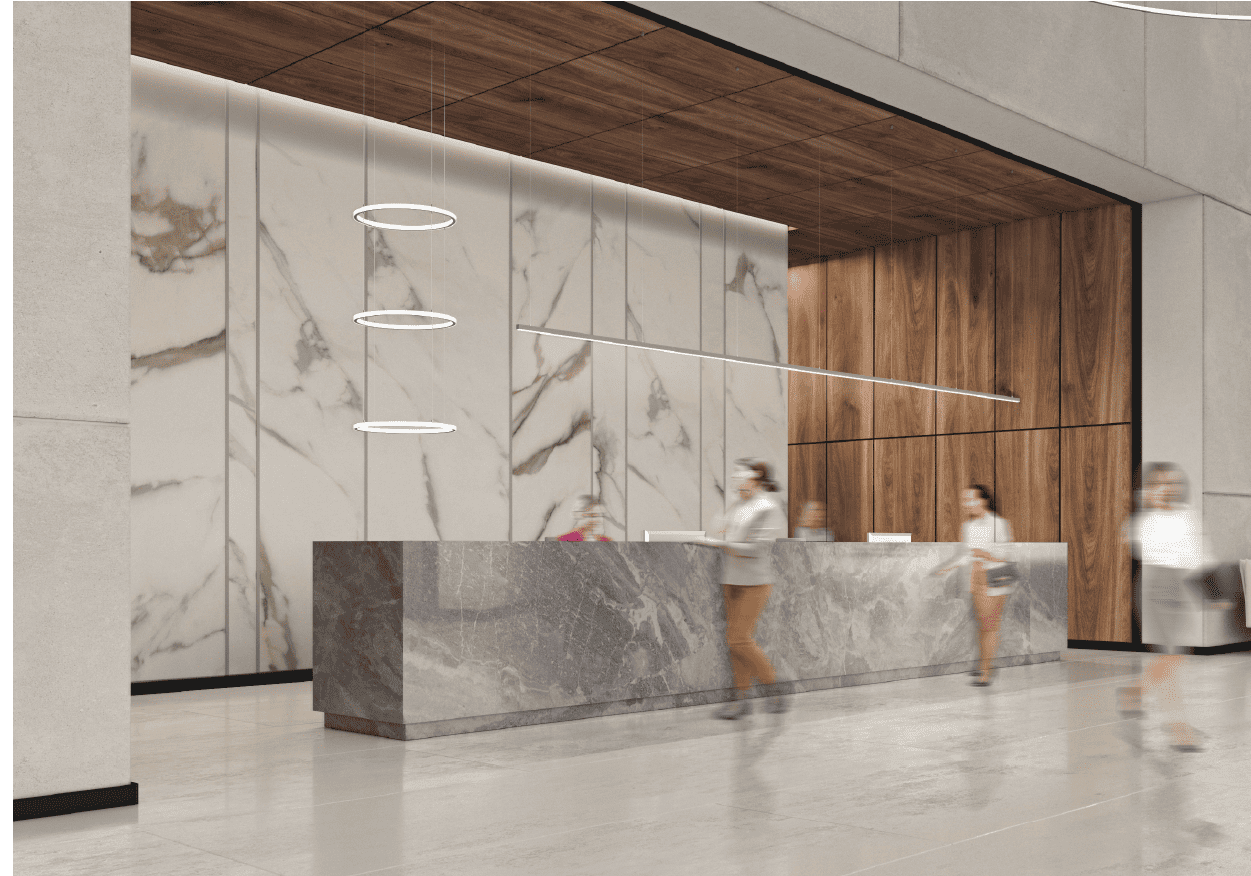
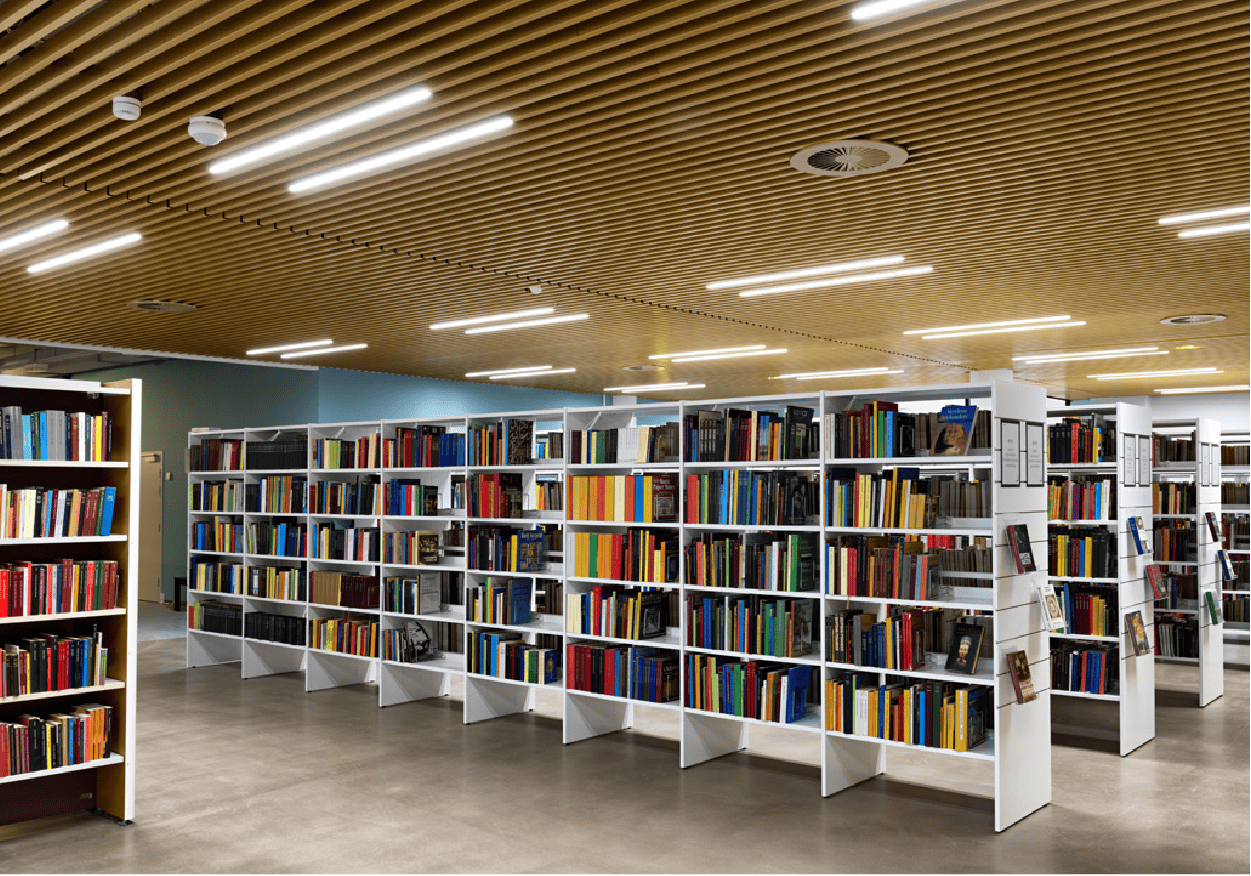
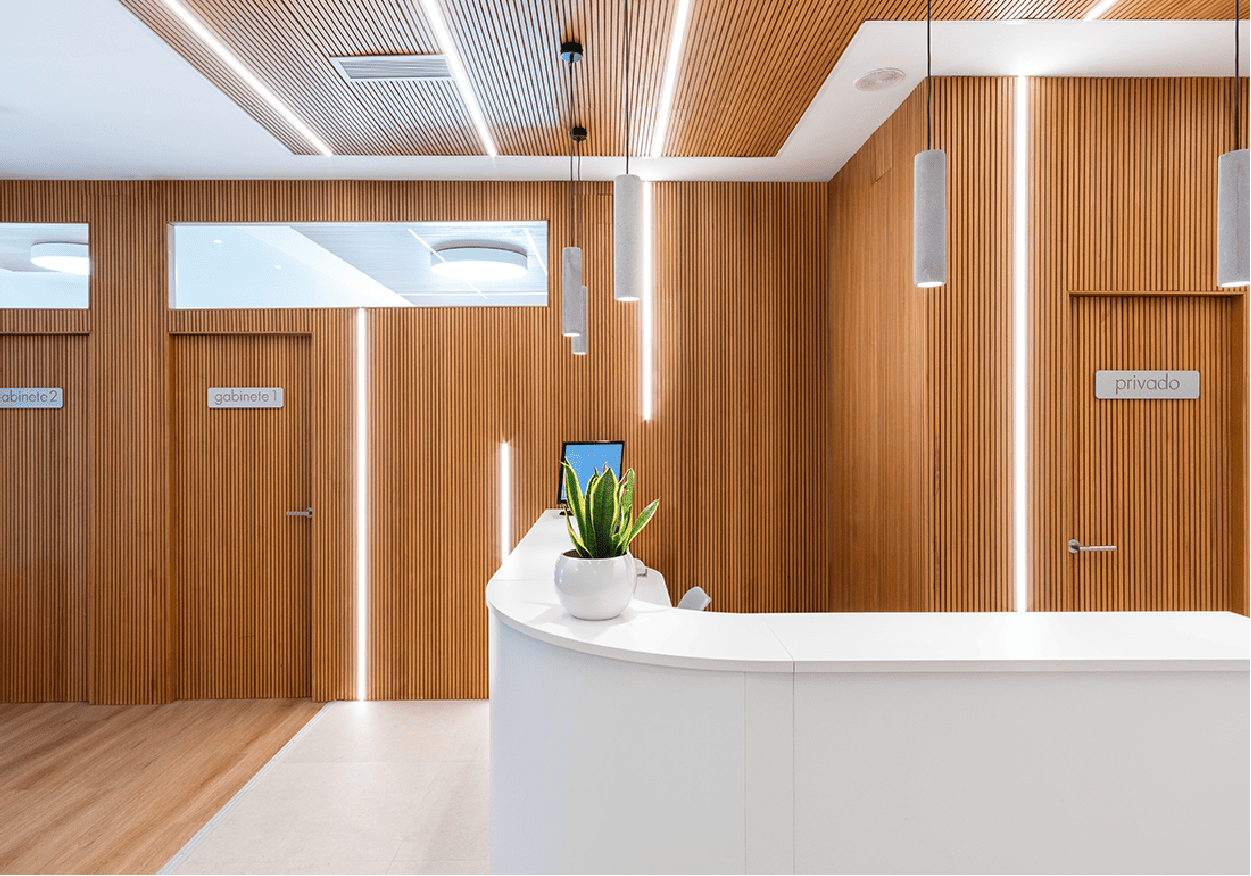
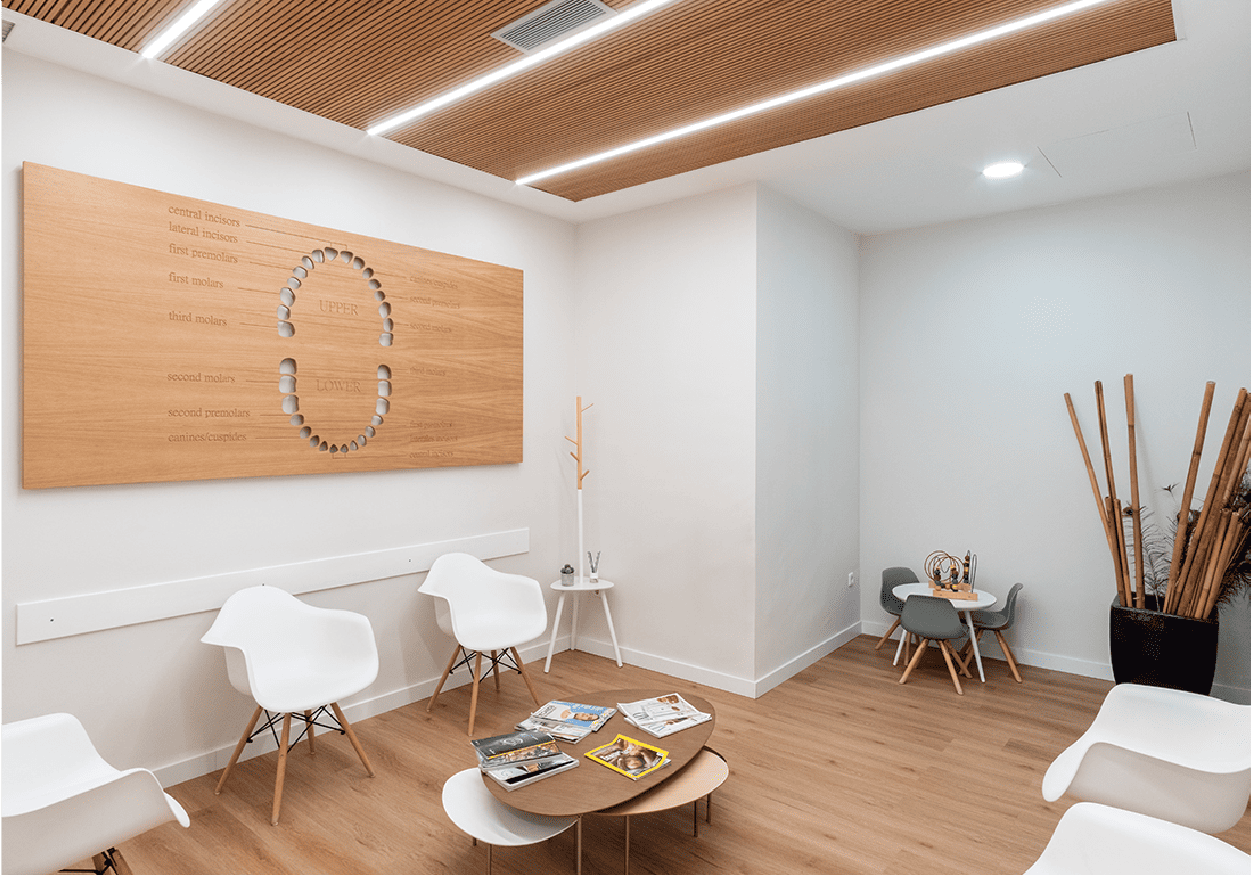
Equally important are applications in the public sphere — reception areas, waiting rooms, libraries, educational centres for seniors. Wherever older people spend time and need to read, orient themselves, and play active roles in society, Clear White creates conditions in which they can do so comfortably and safely.
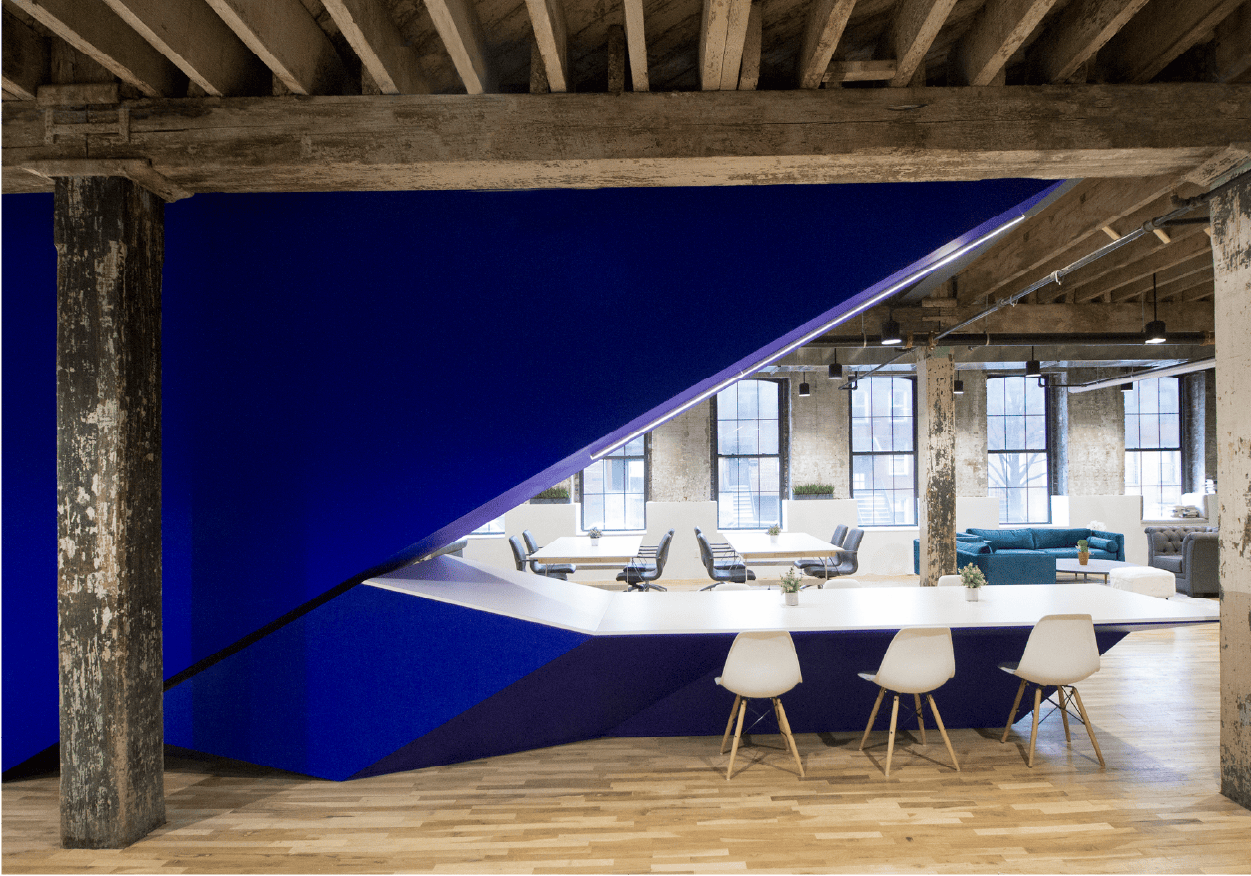
Profile: LIPOD
Profile: LIPOD
Profile: LIPOD
What is Tunable White and how does dynamic colour temperature regulation support the natural circadian rhythm?
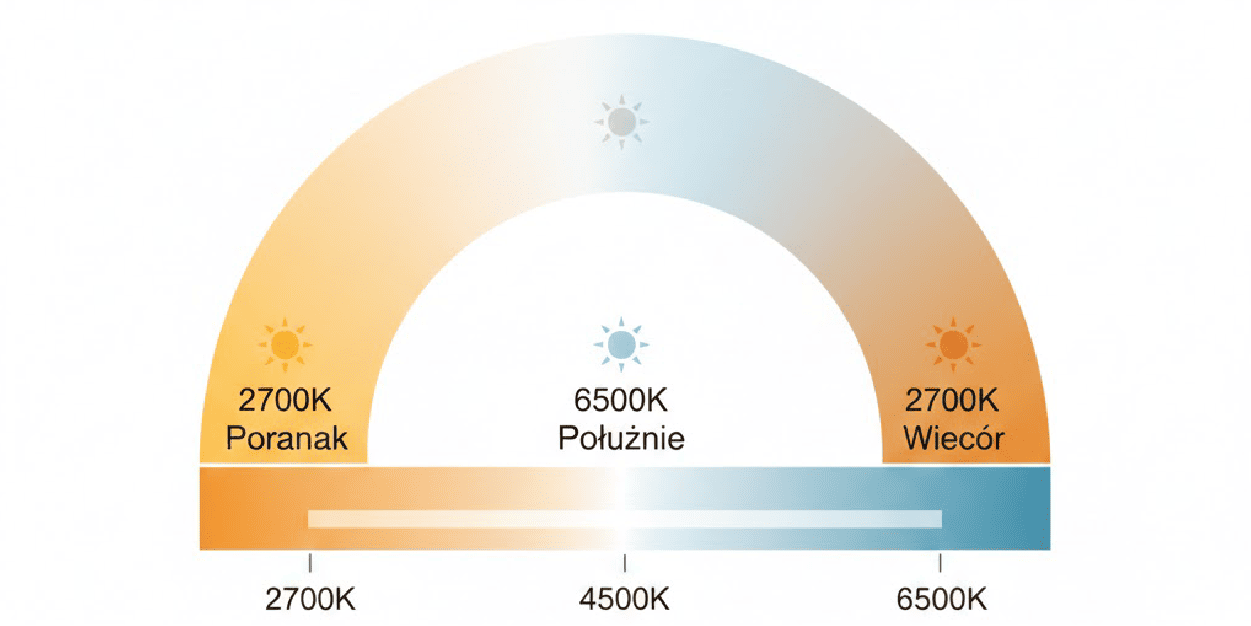
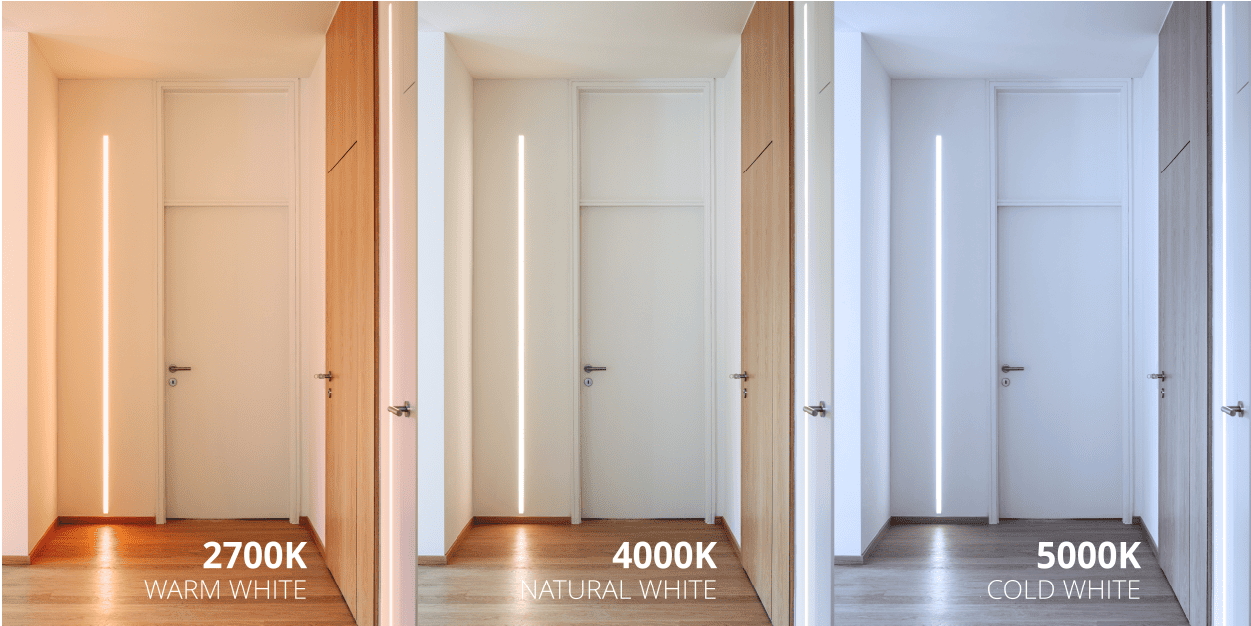
Whilst Clear White addresses a specific biological problem (yellowing of the lens and reduction of contrast), Tunable White — dynamic colour temperature regulation technology — addresses an entirely different challenge: the disruption of the natural circadian rhythm caused by staying inside buildings without access to natural daylight.Tunable White is an LED lighting system that enables smooth, automatic, or manual changes to the colour temperature of light, typically ranging from 2700K (warm white, slightly yellowish) to 6500K (cold, bluish, almost white) or wider. The system relies on integrating both warm and cold LEDs into a single fixture, alongside an advanced controller that precisely regulates the proportion between them.
The aim of Tunable White is to mimic the natural cycle of sunlight. Morning is bright, blue-spectrum-rich light — Tunable White emits 6000-6500K, stimulating the body, and supporting the secretion of hormones responsible for waking up (cortisol, serotonin). Midday is neutral, white light — around 4500K. In the evening, the light becomes warm — 2700-3000K — signalling to the body that bedtime is approaching and supporting melatonin production. This returns humans to the natural rhythm observed for hundreds of thousands of years of evolution, before artificial lighting disrupted this order.
The effects are measurable. Chronobiology research has shown that employees in offices with Tunable White achieved better cognitive results in the morning, experienced less fatigue in the evening, and fell asleep faster at night. Patients in hospitals with Tunable White showed faster recovery. Seniors in care homes with this system exhibited fewer behavioural disturbances and better sleep quality — which reduced the burden on staff.
Circadian light rhythm
Light colours
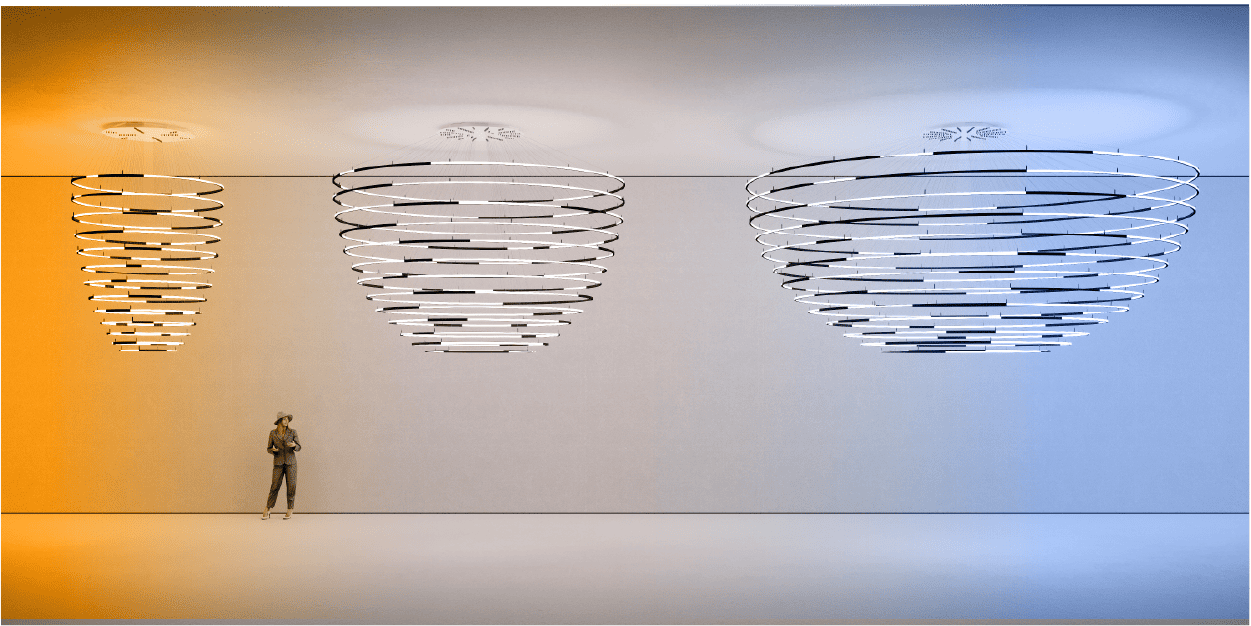
Light colours - Fixture: COLMEIA
Are Clear White and Tunable White competing or complementary technologies?
This is the right question, as the answer is crucial for the future of architectural lighting. The answer is: primarily complementary, but they can also be integrated.Clear White solves a specific biological problem (the visual perception of older people). Tunable White solves a universal biological problem (the disruption of the circadian rhythm of the entire population living in buildings). In an ideal architectural design — especially for residential care buildings, hospitals, or premium offices — both technologies can work together. The lighting system could be both Clear White (supporting contrast for the elderly) and Tunable White (supporting the circadian rhythm of all users). The controller could combine both parameters: optimising the spectrum for visual contrast and dynamically altering the colour temperature throughout the day.
Even today, LED fixture manufacturers are developing hybrid solutions that integrate elements of both technologies. The cost of such integration is optimising — due to the falling prices of advanced controllers and the specific spectral properties of the LEDs themselves. The increased demand for these types of solutions is also playing its part.
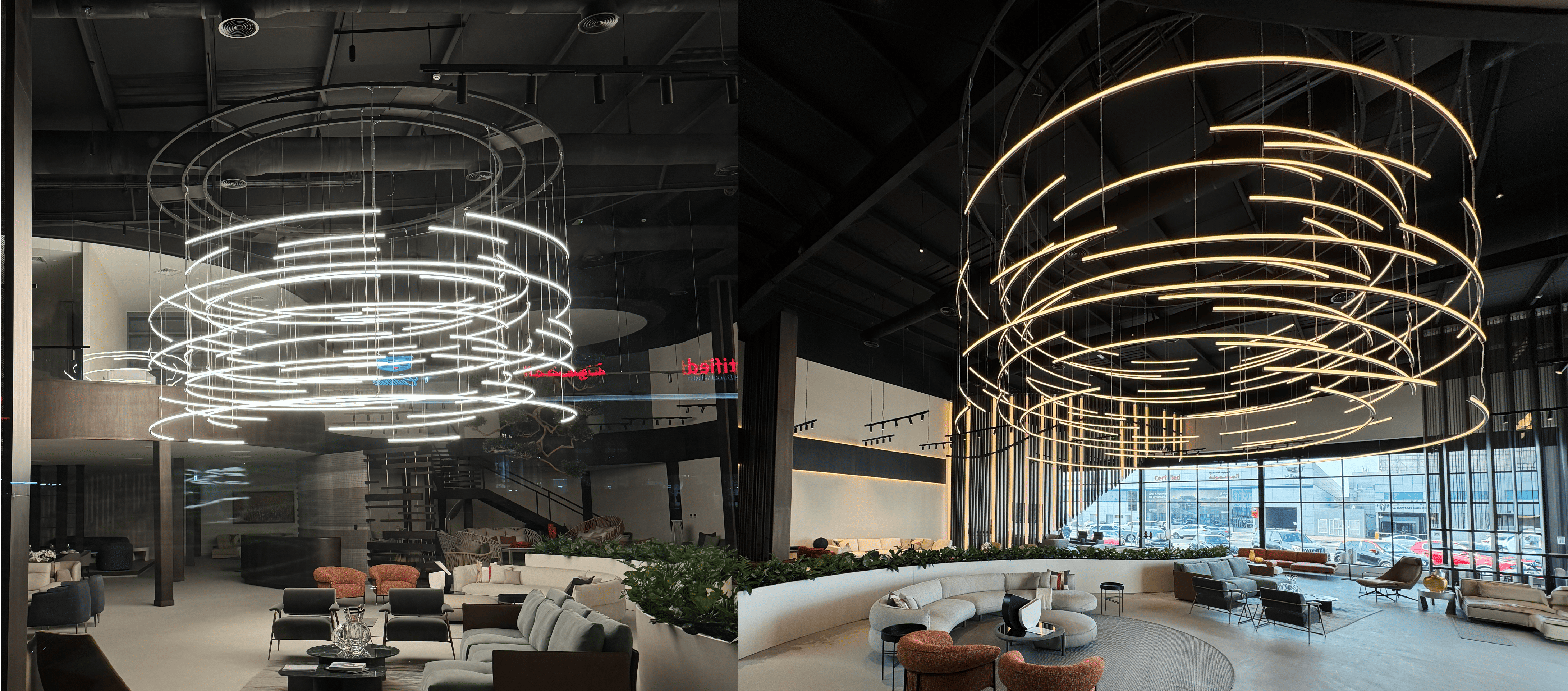
Fixture: HELIX
Why will the 2026 trends focus on lighting personalisation?
The year 2026 will be a breakthrough for lighting for several reasons. Firstly, the availability of Clear White and Tunable White technologies will be greater — manufacturers are already developing alternative solutions with these properties. Competition will drive prices down. Secondly, the awareness among designers and investors regarding the impact of lighting on health and wellbeing will grow. Building certification standards (BREEAM, LEED, DGNB) will increasingly reward projects that genuinely support user wellbeing — not just declaratively, but in reality.Thirdly, the integration of the Internet of Things (IoT) with lighting systems is becoming the standard. Controllers can learn user preferences, adjust lighting based on historical data, and react to changing weather conditions. Lighting will become a personal setting — every person in a building could have a different lighting scenario tailored to their needs.
Fourthly, social awareness of the health consequences of poorly designed lighting will grow. Building users — from office workers to hospital patients to seniors in care homes — will become increasingly aware that lighting matters for their health. They will expect better conditions. This will change the market.
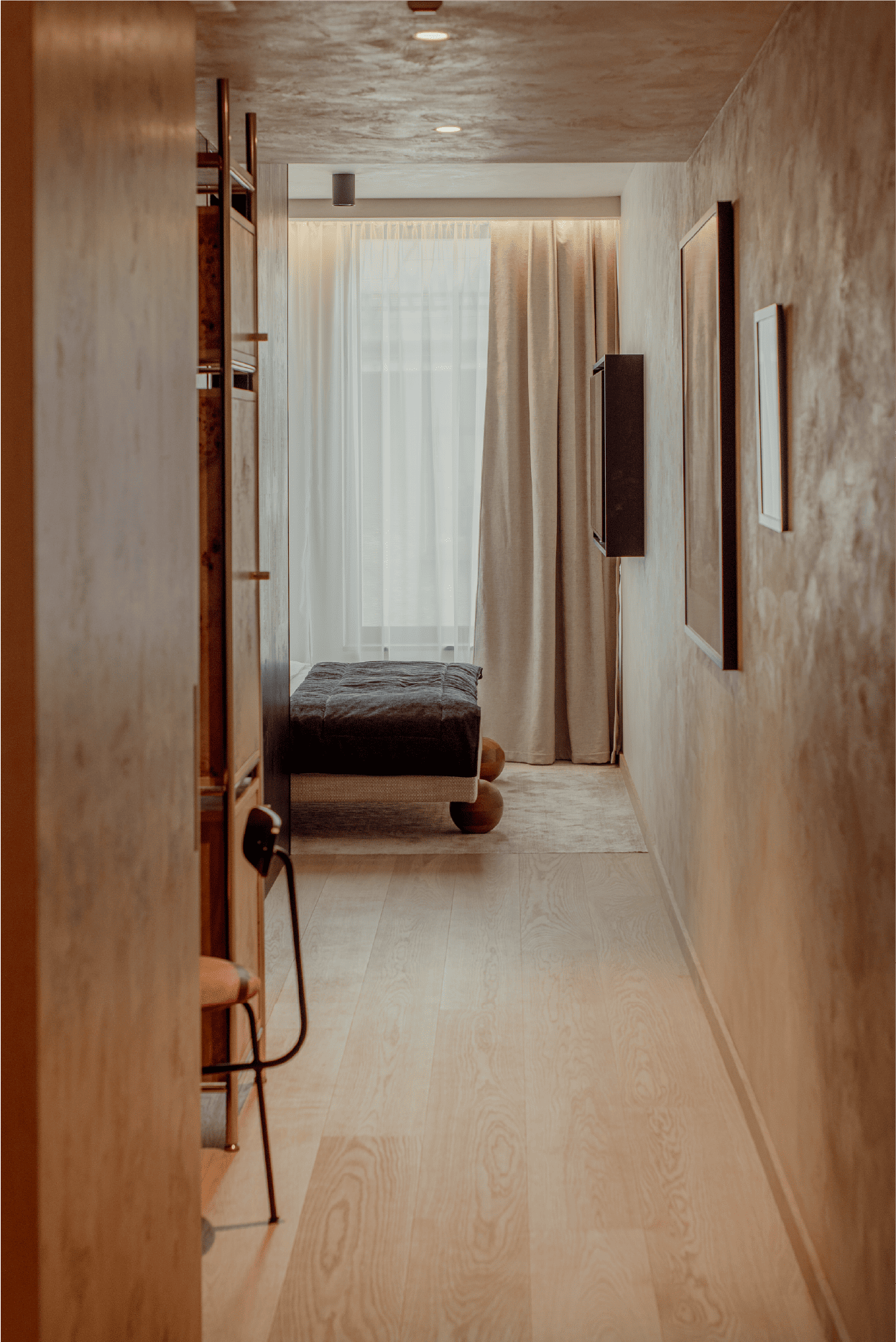
Profile: PDS-4-PLUS
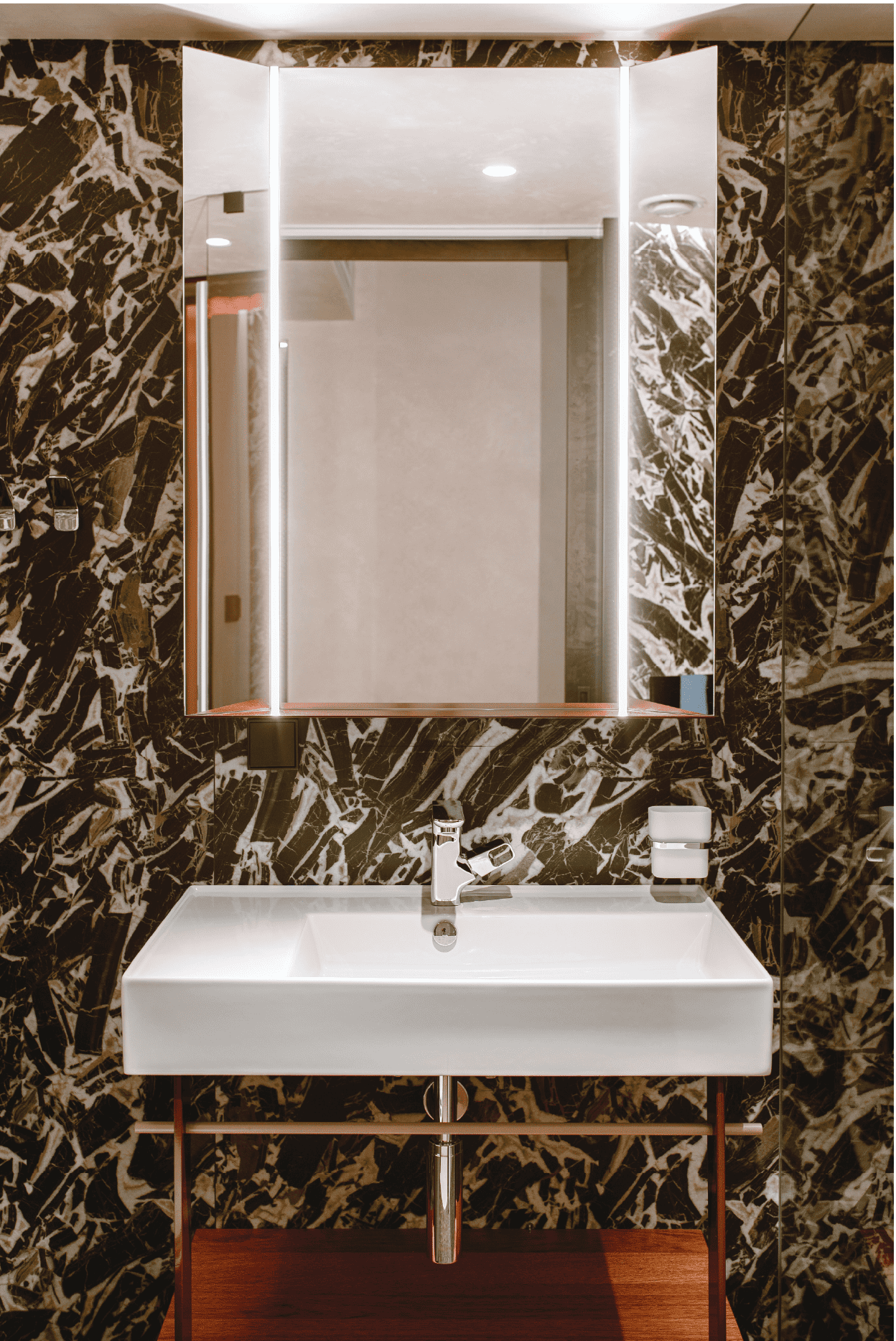
Profile: PIKO
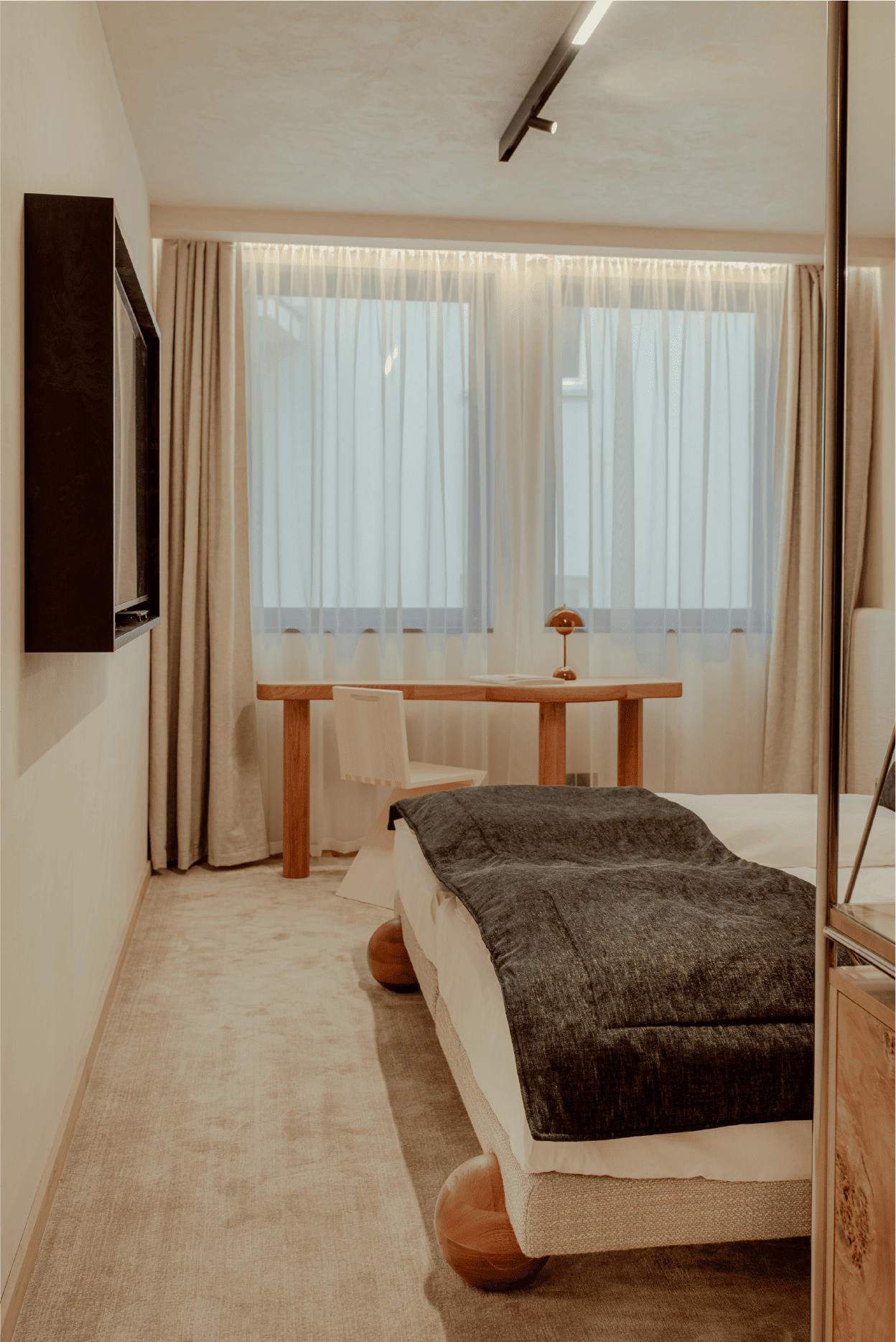
Profile: PDS-4-PLUS
Which sectors will reap the greatest benefits from implementing Clear White and Tunable White?
The healthcare sector — hospitals, clinics, specialist geriatric centres — is the natural first recipient. Elderly patients are the beneficiaries of Clear White, as mentioned earlier. Entire patient populations will benefit from Tunable White supporting their natural sleep rhythm and recovery process.The care sector — care homes, senior residences, hotels for the elderly — is the second sector of high importance. Proper lighting can reduce agitation among residents with visual impairments, support their orientation in reality, and improve sleep quality. These are direct benefits for the elderly person, but also a reduction in the burden on care staff.
The education sector — schools, universities, training centres — benefits from Tunable White supporting the natural concentration rhythm of pupils and students. Teachers also perform more effectively in better lighting conditions.
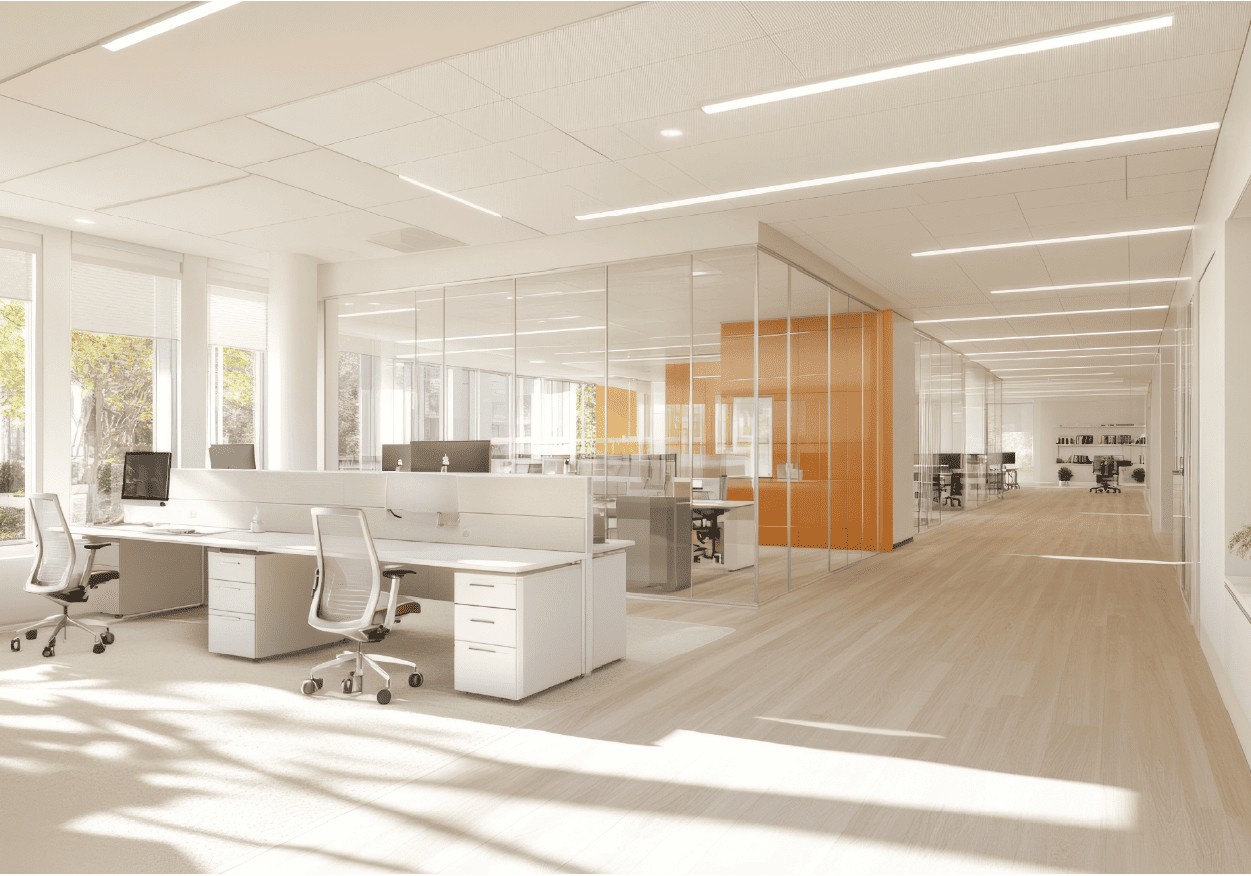
The office sector — particularly Grade A and premium offices — positions Tunable White as an element of the comfort offered to employees. Employers, aware that eye strain and sleep disturbances cost them productivity and engagement, are investing in better lighting.
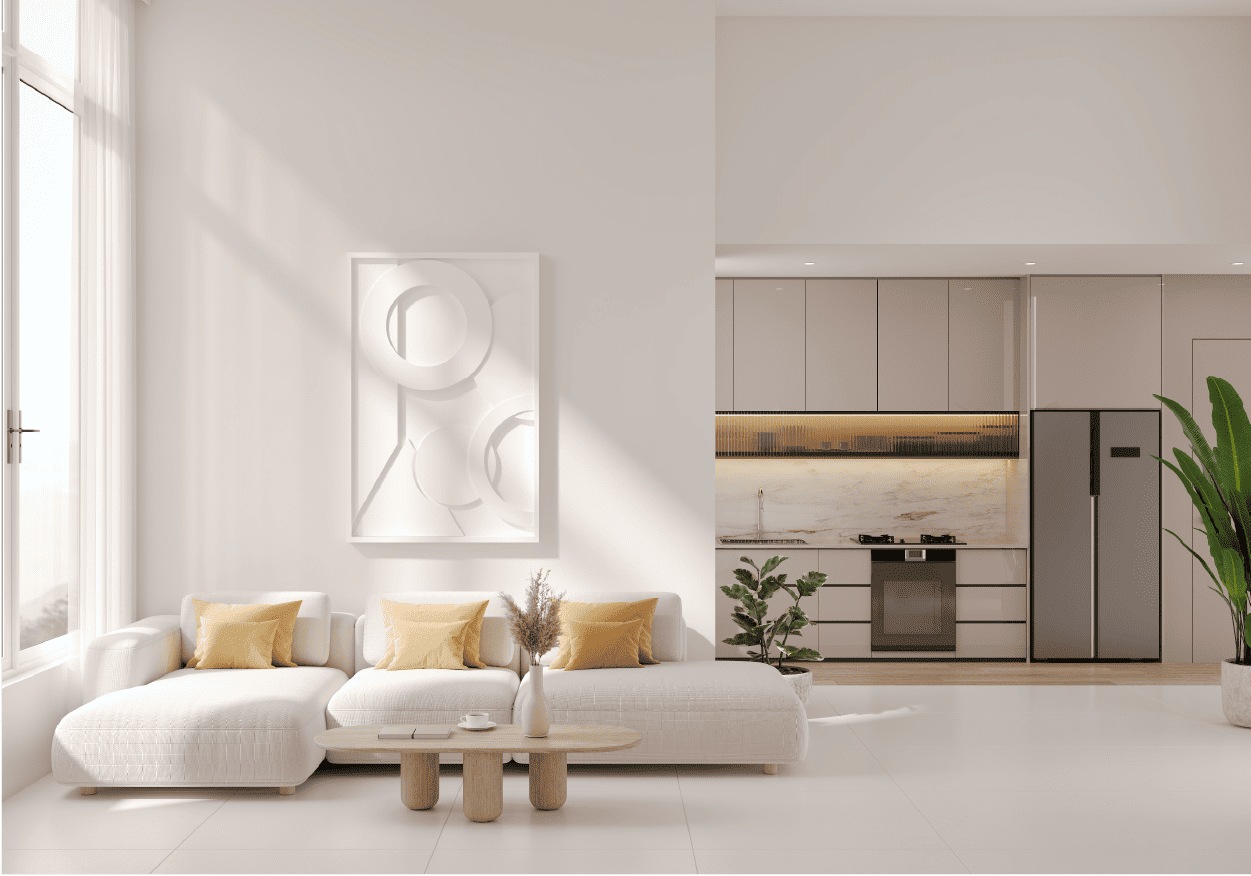
The residential sector — both developer projects for seniors and adaptive projects for the ageing population — will utilise Clear White in apartments and common areas.
The retail and service sector — hotels, restaurants, shopping centres — are already experimenting with Tunable White as an element of atmosphere, supporting the wellbeing of guests, customers, and staff.
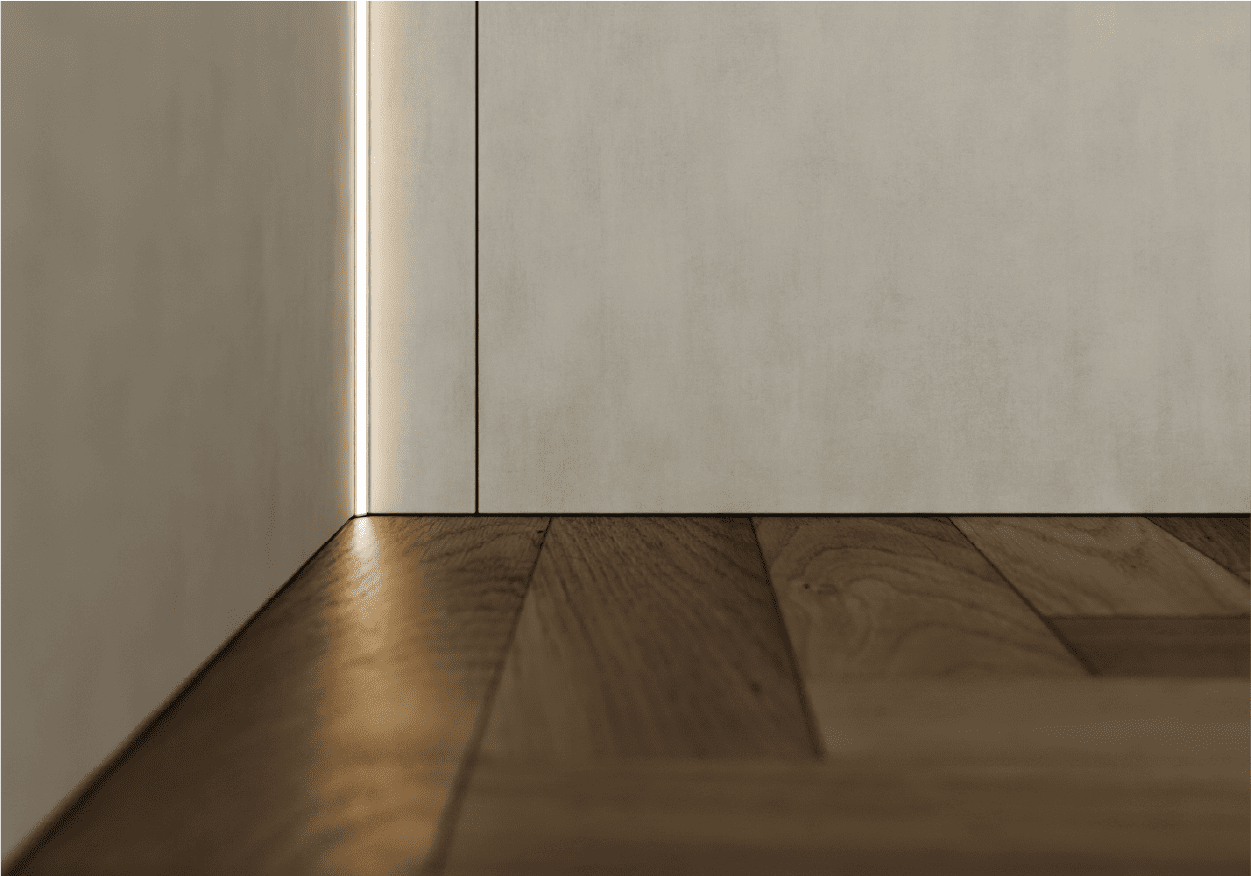
Profile: PIKO-KW
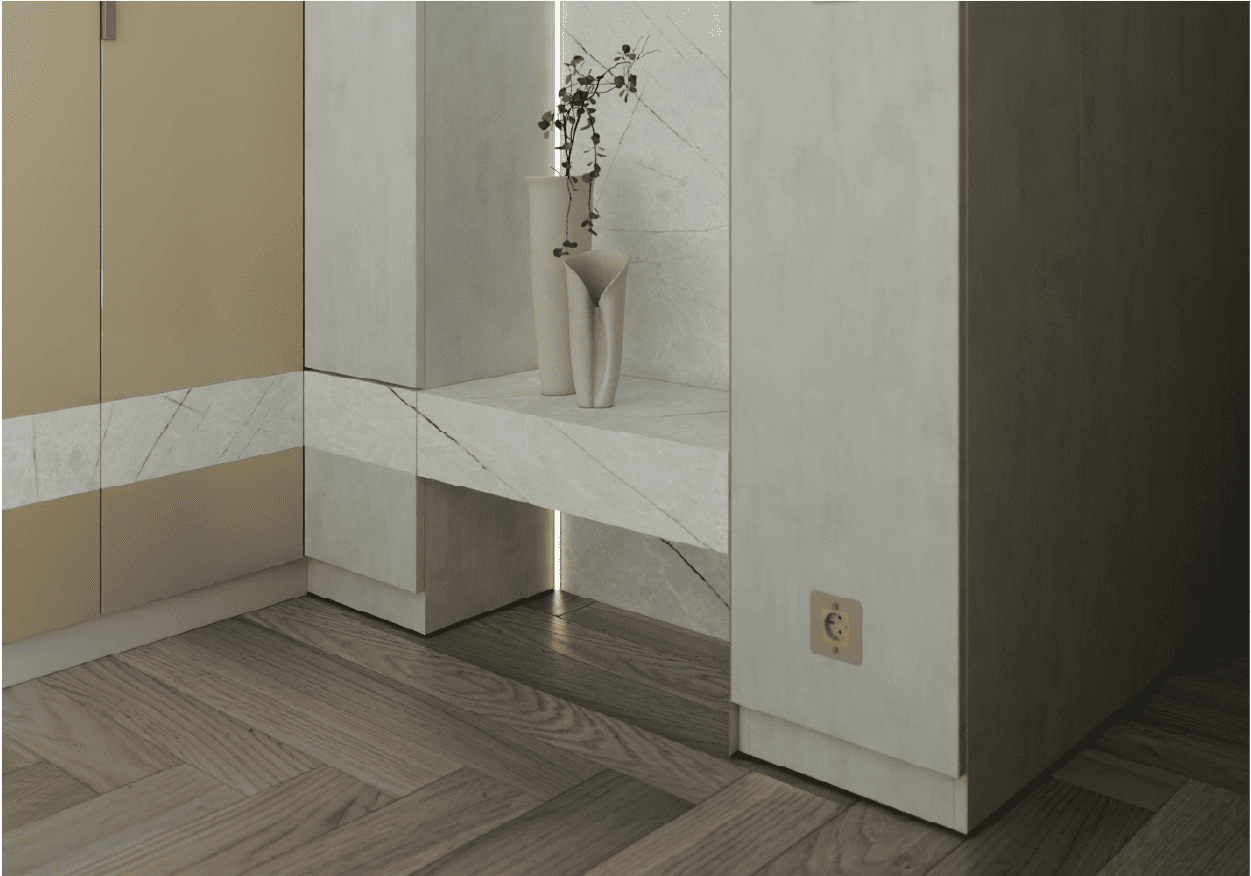
Profile: PIKO-KW
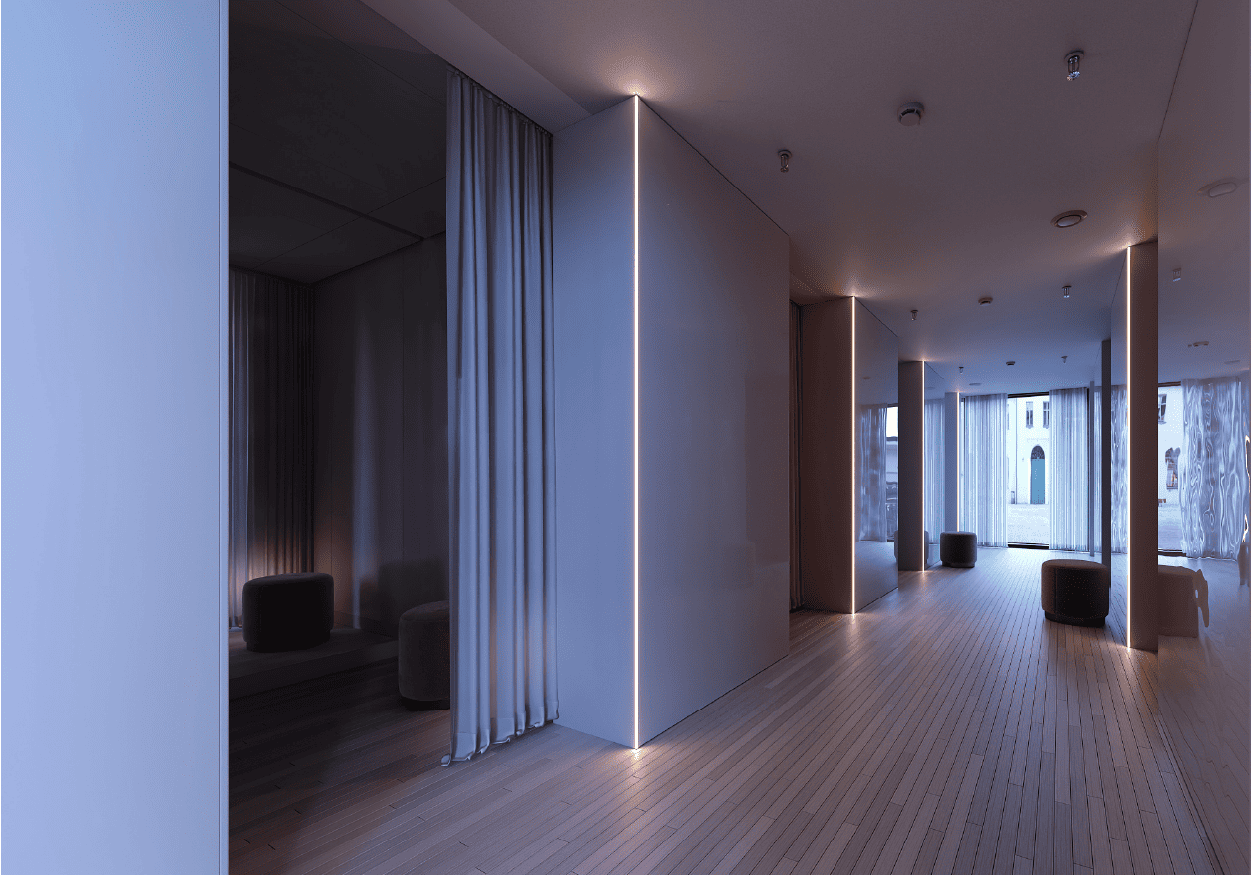
Profile: PIKO-KZ
What are the implementation challenges and how can they be overcome?
Implementing Clear White and Tunable White requires a more involved approach than installing traditional LED lighting. Firstly, it demands technical knowledge from designers — not every architect or lighting engineer has experience with these technologies today. This requires training and access to specialist knowledge. As KLUŚ, we are able to help navigate this highly technical process.Secondly, implementation involves upgrading the electrical infrastructure and control systems. Fortunately, many new buildings already have DALI installations or other smart home buses, which are required for advanced lighting control. However, such an installation may entail additional costs in older buildings.
The solution is to work with experienced specialists — lighting manufacturers who possess knowledge of these technologies and can help designers through the implementation process. There are also standards and guidelines — the DALI Alliance, European lighting norms — that can support proper implementation.
Profile: GIZA
Profile: GIZA
Profile: GIZA
How is KLUŚ preparing for the 2026 lighting trends?
By monitoring the global lighting market and architectural trends, KLUŚ is aware of the growing importance of Clear White and Tunable White and is already able to propose such solutions for customised projects. Both technologies are ready for commercialisation — both in terms of energy efficiency (savings remain at the level of 60-70% compared to traditional lighting) and reliability and market availability. Implementation costs are falling rapidly, making them increasingly accessible even for medium-scale projects.KLUŚ is prepared to consult on and provide solutions for both Clear White and Tunable White for specialist projects — mainly for public buildings, care complexes, and the premium segment of the private market. For such dedicated projects, we offer a consultative approach that includes analysing user needs, designing lighting scenarios, and implementing systems tailored to a specific building.
Should there be enquiries from designers, investors, or public sector procurement specialists — whether for hospitals, schools, care homes, or innovative office projects — KLUŚ is ready to conduct detailed consultation discussions, present the technology, and support the implementation process from the concept phase through to commissioning.
Fixture: TULIP
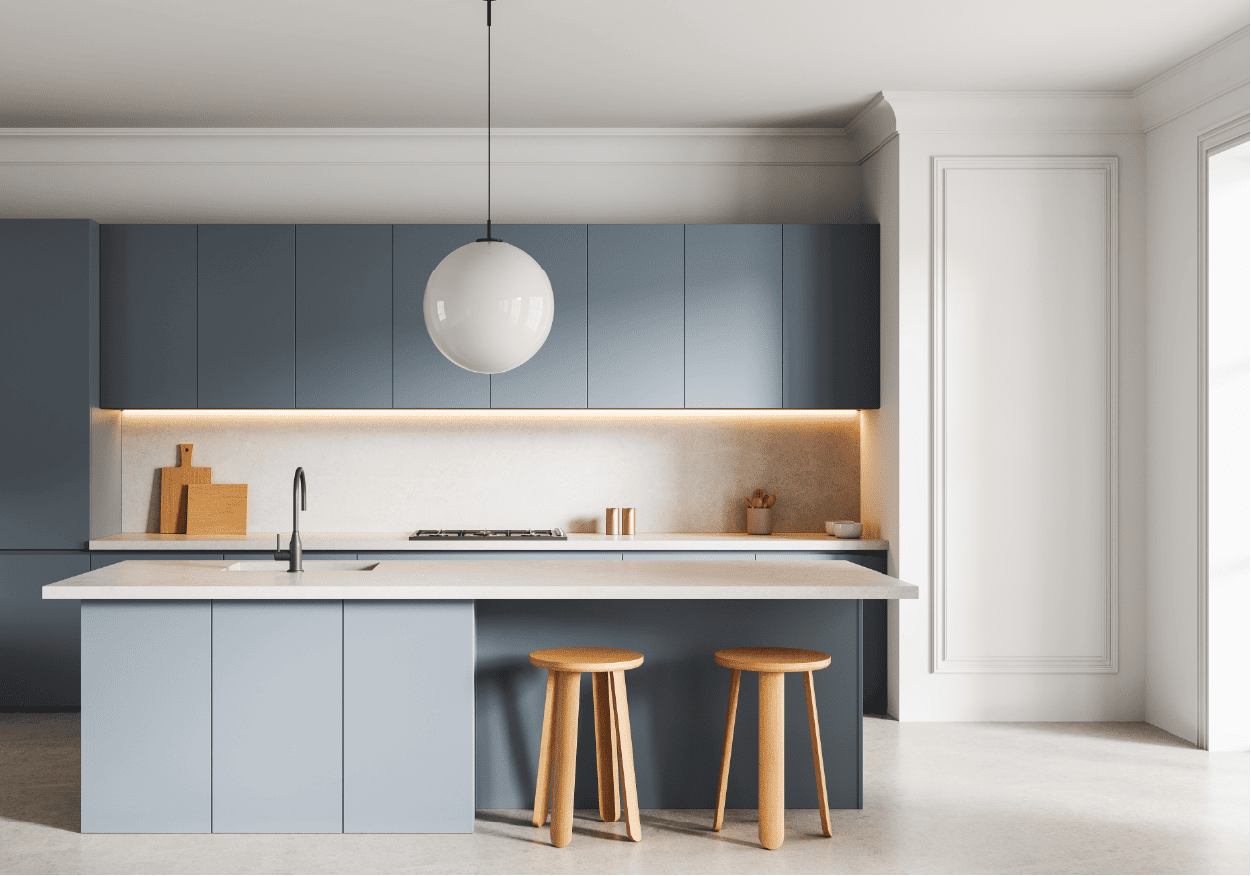
Profile: 45-PLUS
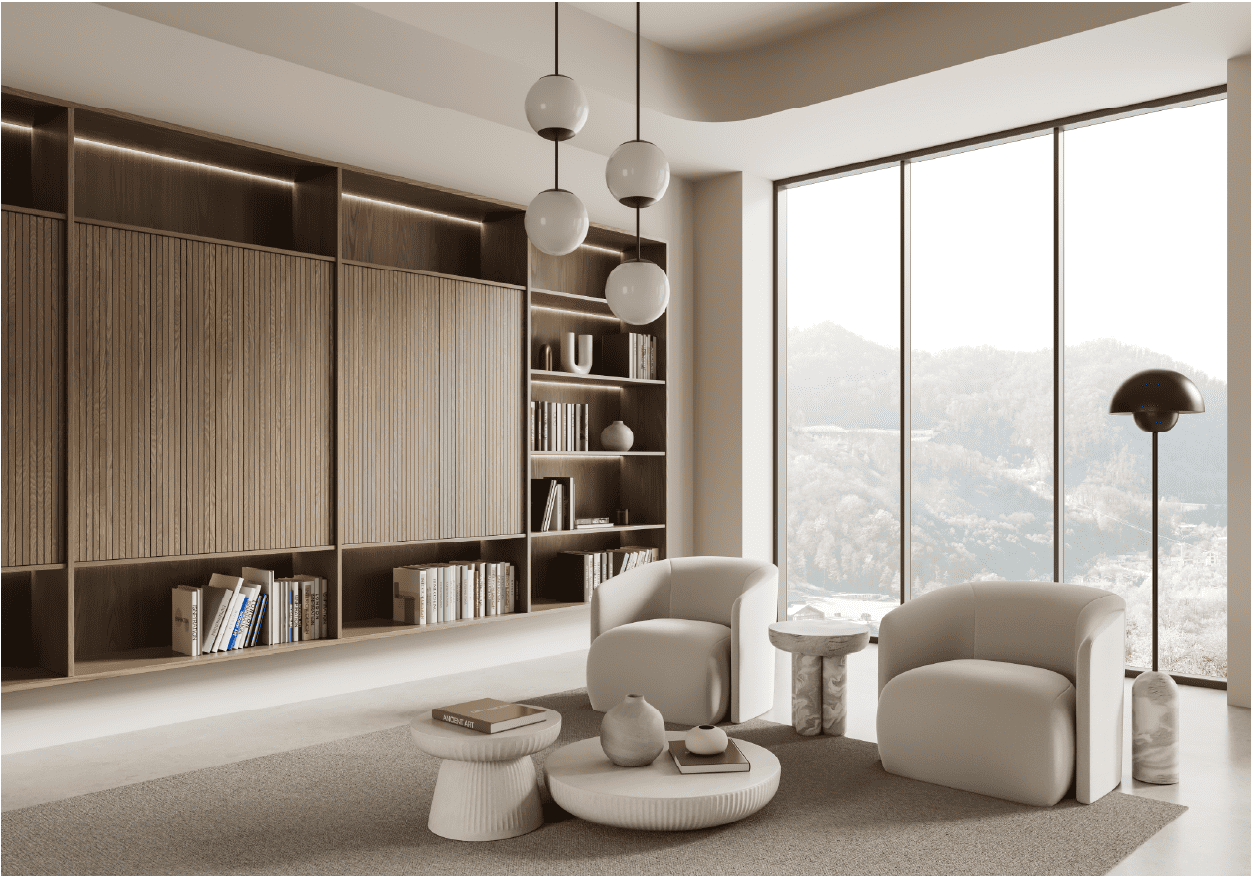
Profile: PIKO-45
Summary — the future of lighting is personalisation, health, and conscious architecture
Clear White and Tunable White represent a new paradigm in architectural lighting. We are ceasing to think about lighting solely in functional terms (how many lux?) or aesthetic terms (how does it look?), and increasingly in health and individual terms (how does it affect human health and wellbeing?).The year 2026 will not be a tipping point — it will rather be an acceleration phase, where already existing trends become more visible and accessible. Societies are ageing, and architecture and technology must respond to this. Buildings that do not take into account the needs of older people — whether it's Clear White for people with yellowing lenses, or Tunable White for people experiencing seasonal depression — condemn their users to discomfort and do not aid their health.
At the same time, users of all age segments — young, middle-aged, old — gain benefits from lighting that supports their natural circadian rhythm and health. This is no longer a luxury — it is the future of responsible architecture. KLUŚ, through continuous trend monitoring, research, and preparation for the implementation of these technologies, positions itself as a partner for designers and investors wishing to create the buildings of the future — buildings that serve human health and wellbeing, whilst simultaneously being energy-efficient, ecological, and climate-neutral.