
 Kde nakoupit
 Zóna distributorů
Blog,
ABC osvětlení,
20.03.2025
Designing with LED Profiles - Basic Principles and Common Mistakes
In the world of modern architecture and interior design, LED lighting has become a tool that revolutionizes the way spaces are shaped. It not only provides functionality but primarily creates ambiance, highlights architectural elements, and defines the character of interiors. Aluminum profiles for LED strips are a key element of this revolution, combining aesthetic qualities with technical advantages. How can you utilize their potential and avoid costly mistakes? Here's a guide to help you create perfect lighting in every project.
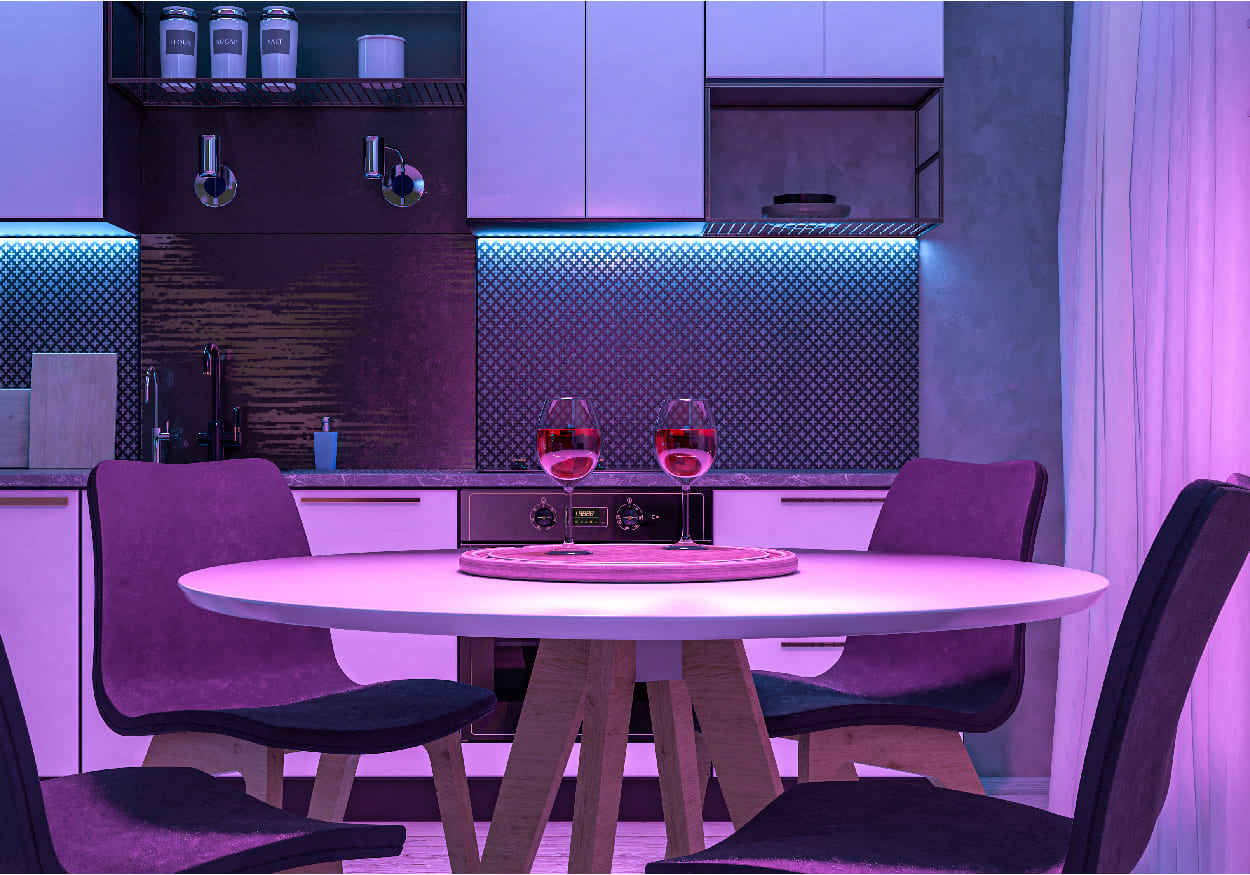
Profile: MICRO-PLUS
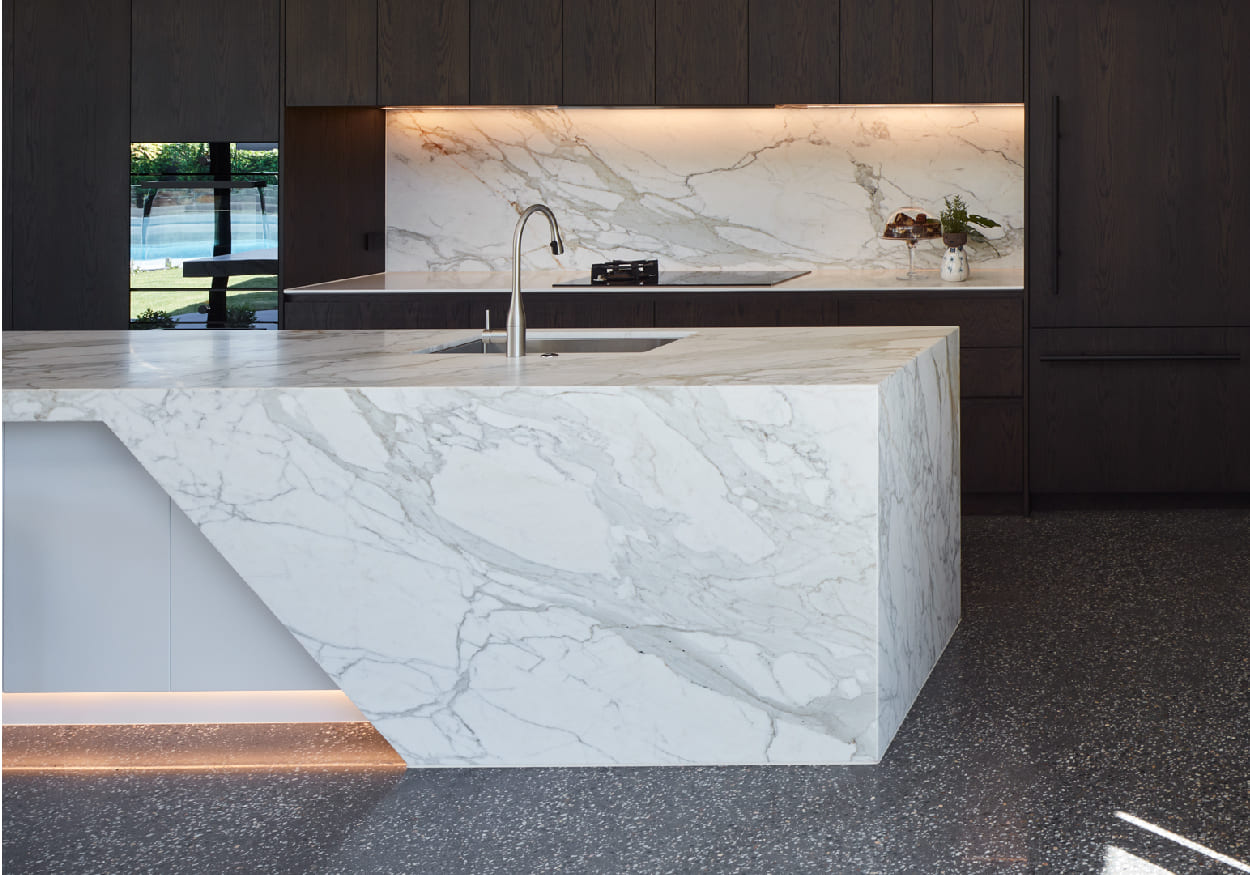
Profile: PIKO
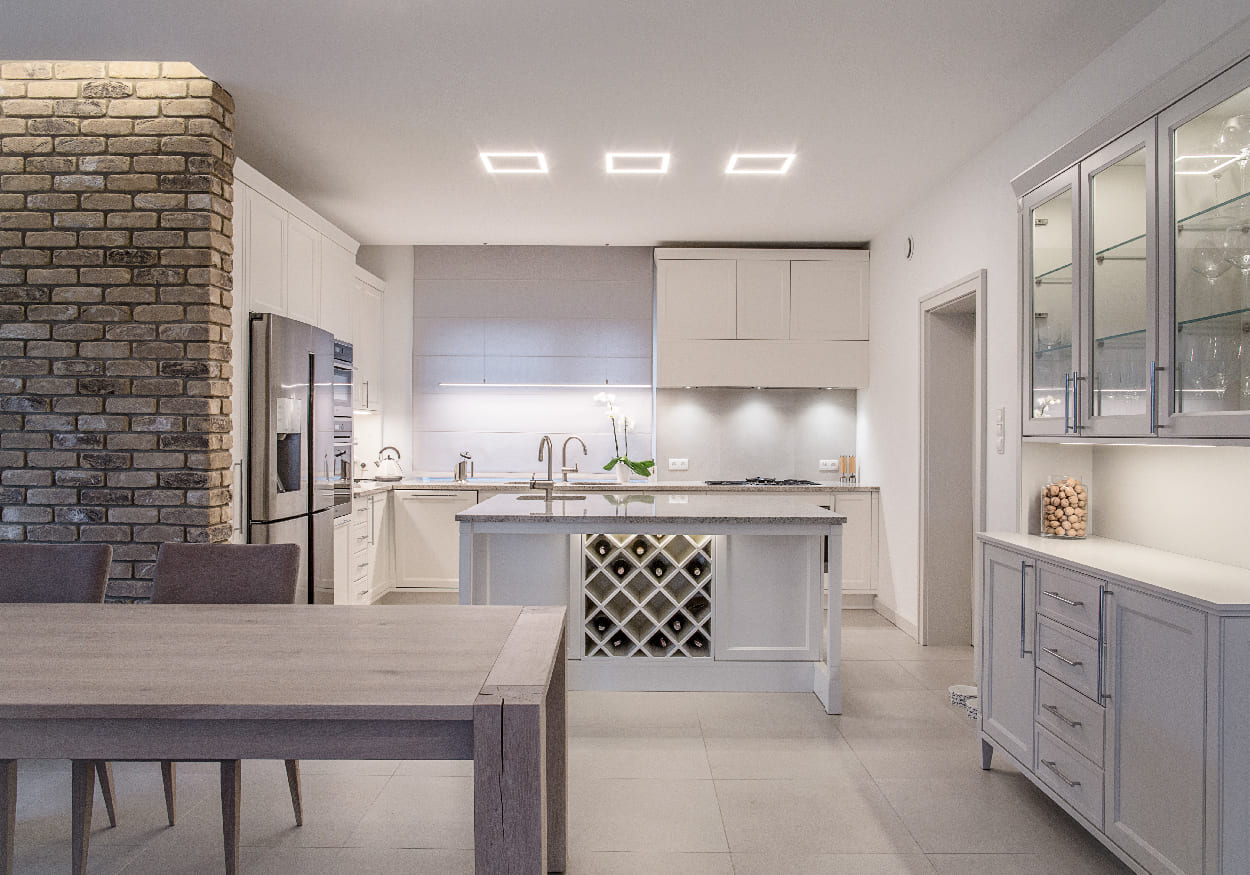
Profile: KOZEL
Basic Principles of Designing with LED Profiles
1. Plan lighting from the beginningThe biggest mistake is treating lighting as an afterthought, planned at the end of the design process. LED lighting, especially when using profiles, requires thoughtful integration with the architecture. It is worth considering cable routes, locations for power supplies, and controllers already at the stage of the execution project.
2. Choose profiles based on function
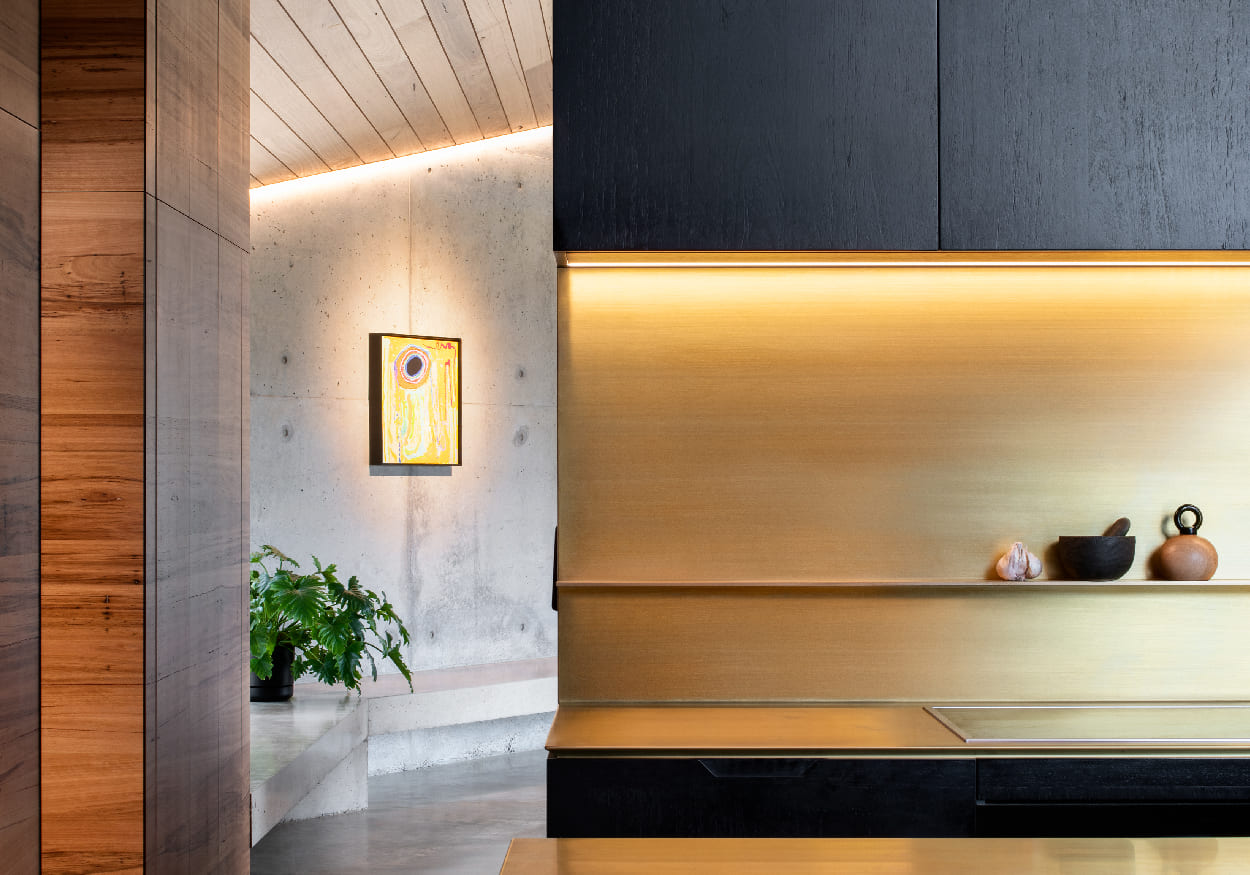
Each space requires a different type of lighting. For illuminating kitchen cabinets, compact profiles like MICRO-PLUS or PIKO are ideal, as their small dimensions make them practically invisible. On the other hand, for creating impressive main lighting, a recessed profile like KOZEL with a wider beam angle, the possibility of installing double LED strips, and better light diffusion is a better choice.
3. Remember depth and layering
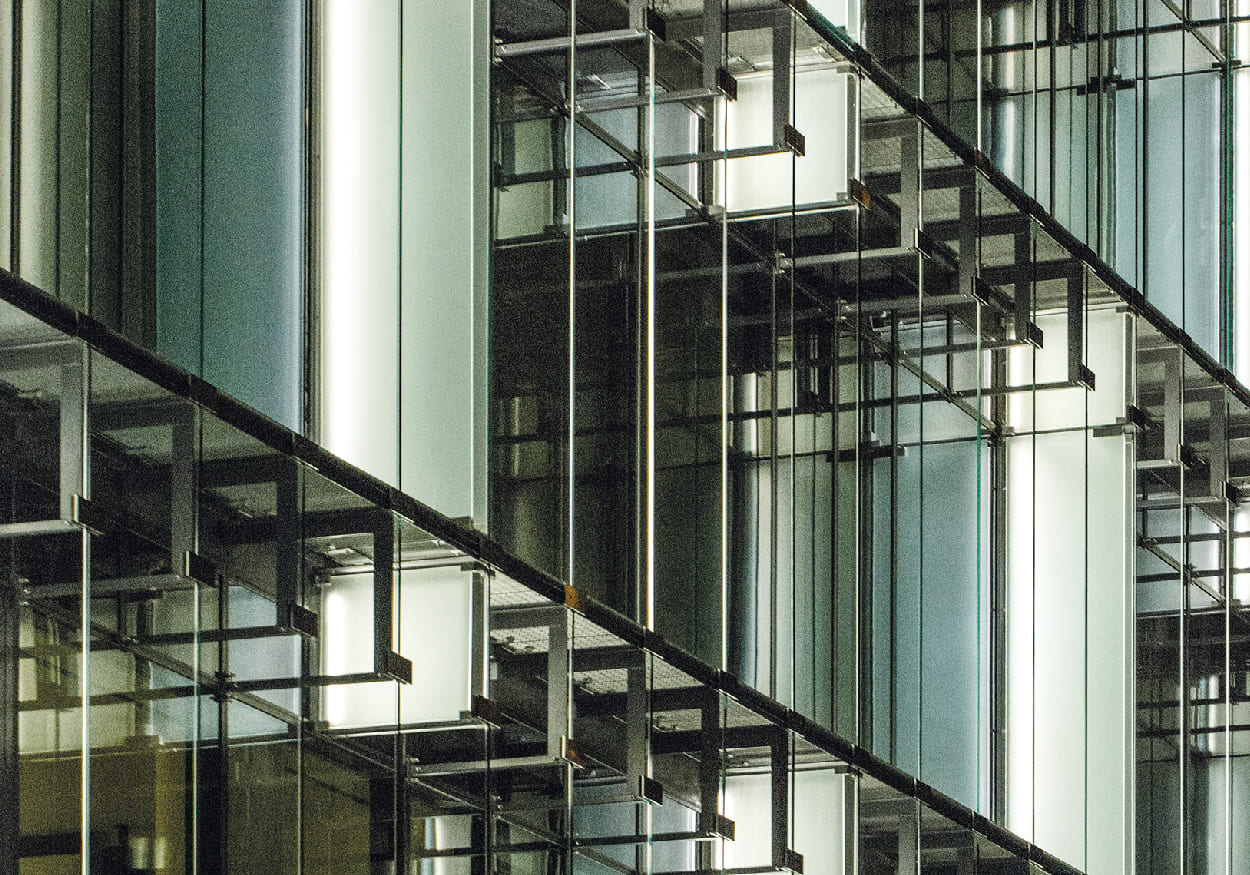
Professional lighting designs always consider different layers of light. Combining general, accent, and decorative lighting creates depth and character in a space. The SERPENT system works perfectly as general lighting, while REGULOR can be used to subtly highlight architectural details and their three-dimensionality.
4. Ensure light uniformity
To avoid the unsightly "dotting" effect (visible light points), choose profiles with the appropriate LED strip, depth, width, and suitable diffusing covers. The PDS-4-PLUS profile with the frosted cover LIGER-11 perfectly diffuses light, creating a uniform light line. Refer to the LIGHT LINE TABLE for more details.
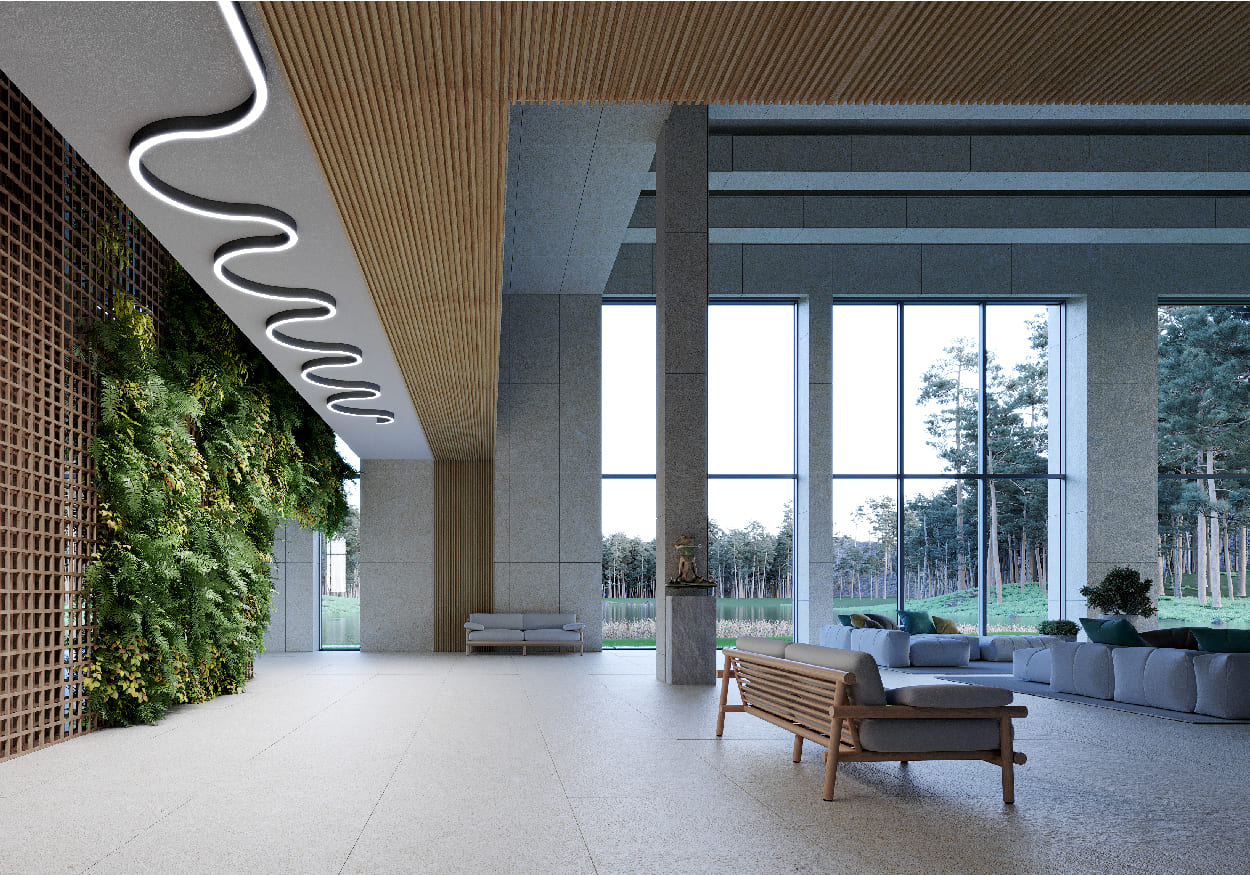
Profile: SERPENT
Profile: REGULOR
Profile: PDS-4-PLUS
Common Mistakes in LED Lighting Design
1. Underestimating power and loadOne of the most common mistakes is choosing a power supply that is too weak. Always plan with a 20% power reserve compared to the nominal load. Also, remember that long LED strip sections require additional power. On the KLUŚ website, you can find LED strips that need reinforcement every 12 meters and can power sections up to 24 meters when reinforced from both ends. This is an excellent result.
2. Ignoring the issue of heat dissipation
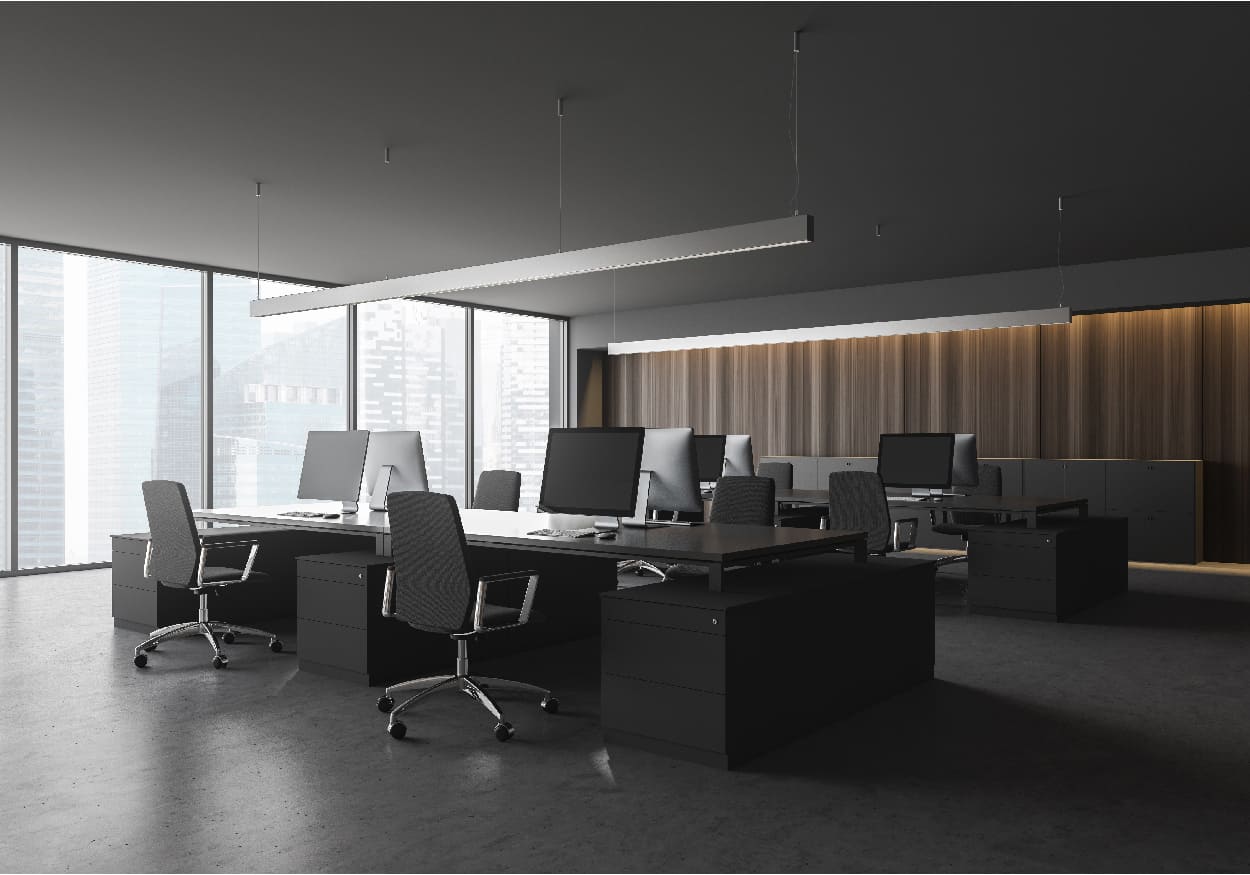
Aluminum profiles, in addition to their protective function, play a crucial role as heat sinks, dissipating heat from LED strips. Overly powerful strips in too small profiles or enclosing profiles without air circulation drastically reduce the lifespan of the entire system. In such cases, consider profiles with a larger heat dissipation surface, such as MOD-50 or LIPOD.
3. Glare effect and visual discomfort
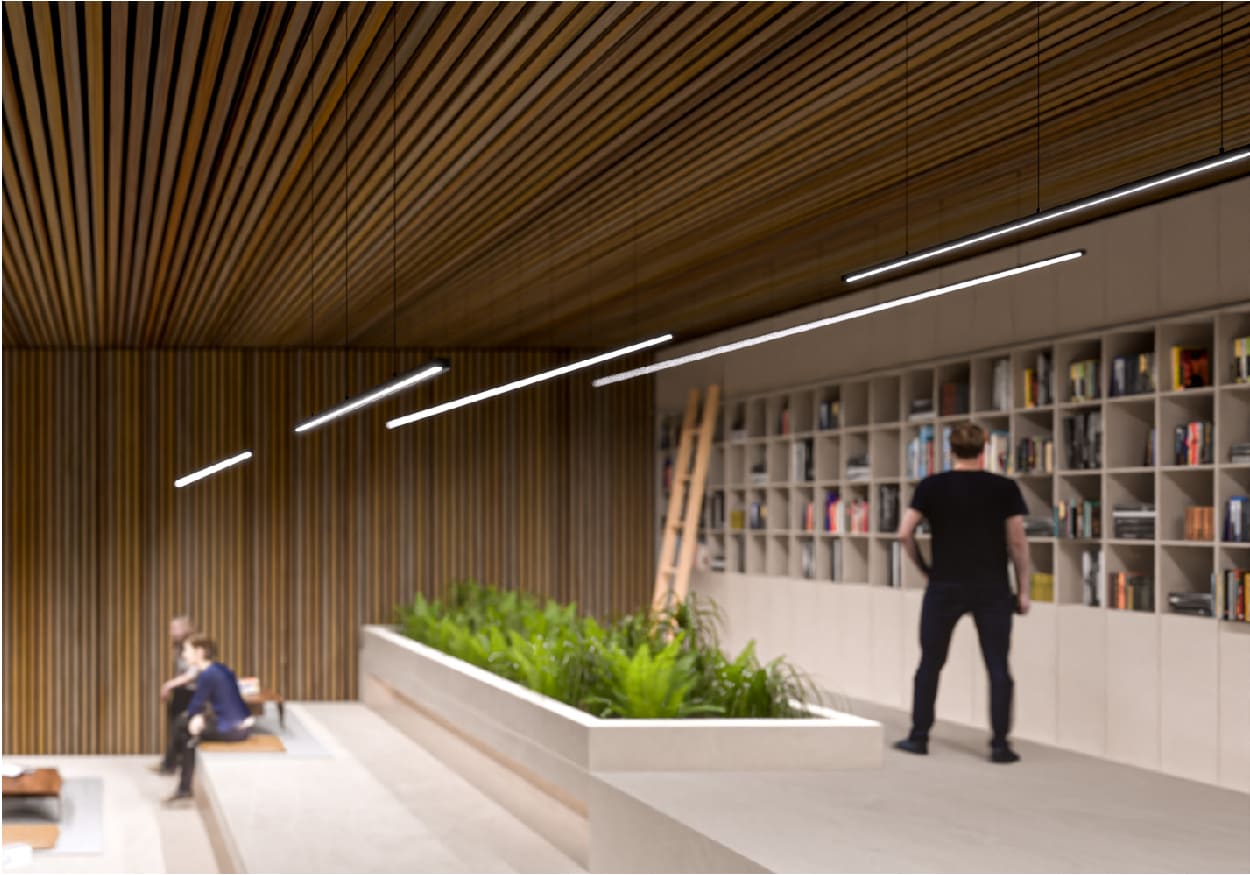
When designing lighting, always consider user comfort. A direct view of the light source can cause an unpleasant glare effect. Profiles with a recessed light line, such as the GIZA-LL-ZMG and PDS-ZMG, minimize this issue, providing pleasant, non-dazzling light.
4. Lack of aesthetic consistency
Lighting should harmoniously blend with the architecture rather than compete with it. LED profiles are available in various color finishes, from anodized to painted. The PDS-4-PLUS series offers profiles in different colors that can be perfectly matched to the interior.
Profile: MOD-50
Profile: GIZA-LL-ZMG
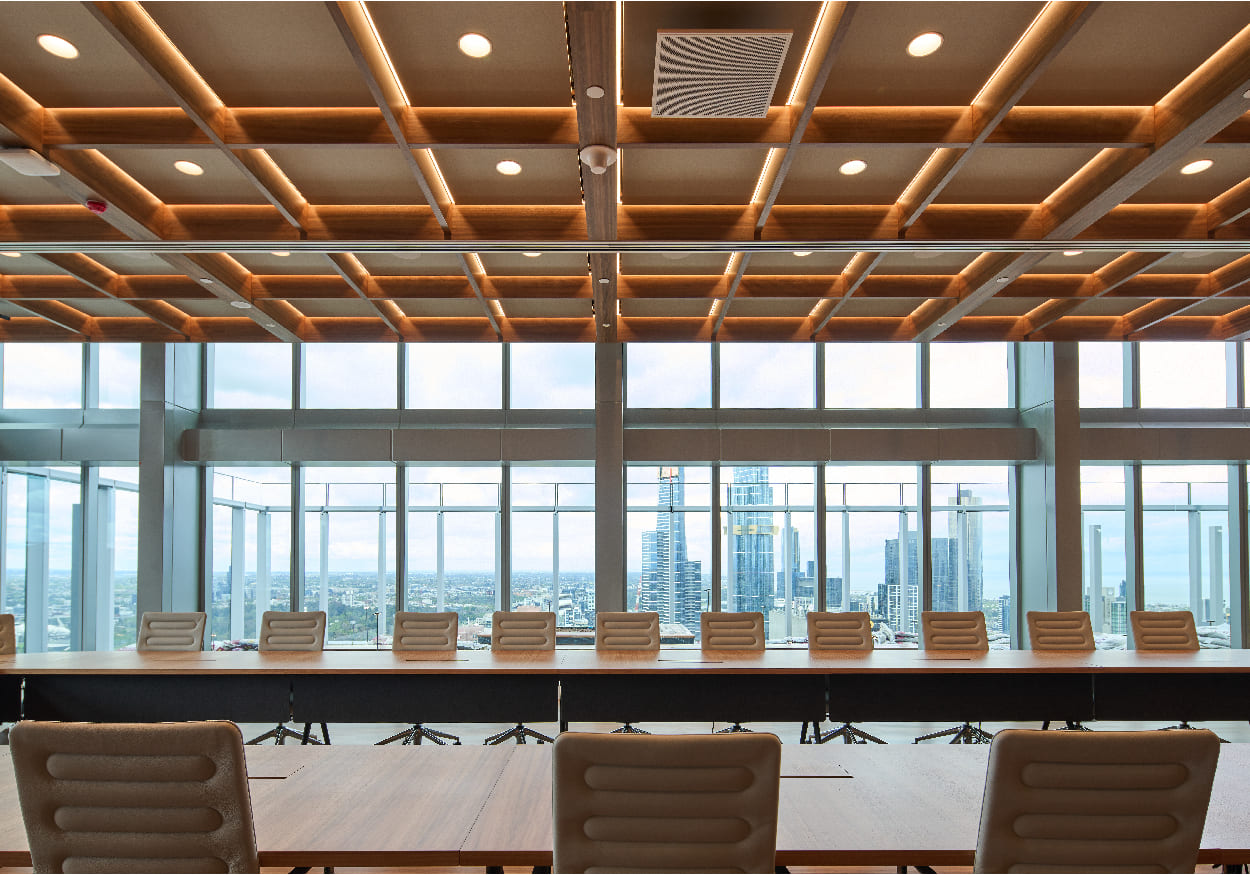
Profile: PDS-4-PLUS
Practical Tips for Professionals
1. Test different color temperatures before making a final choice. What looks good in a visualization may appear completely different in reality.2. For commercial projects, always consider the aspect of maintenance. The LOKOM profile with the technical profile TEKNIK-ZM featuring a click system, or the INTER-PLUS fixtures (coming soon), allow for easy replacement of LED strips without dismantling the entire structure.
3. Combine different types of profiles to achieve unique effects. A mix of recessed and surface-mounted profiles creates an intriguing play of light and shadow. An example could be the KOZEL-10 profile and the minimalist PIKO-ZM.
4. Think long-term – a well-designed LED lighting system should last for years, so it’s worth investing in modular solutions that can be expanded, such as the TULIP fixtures.
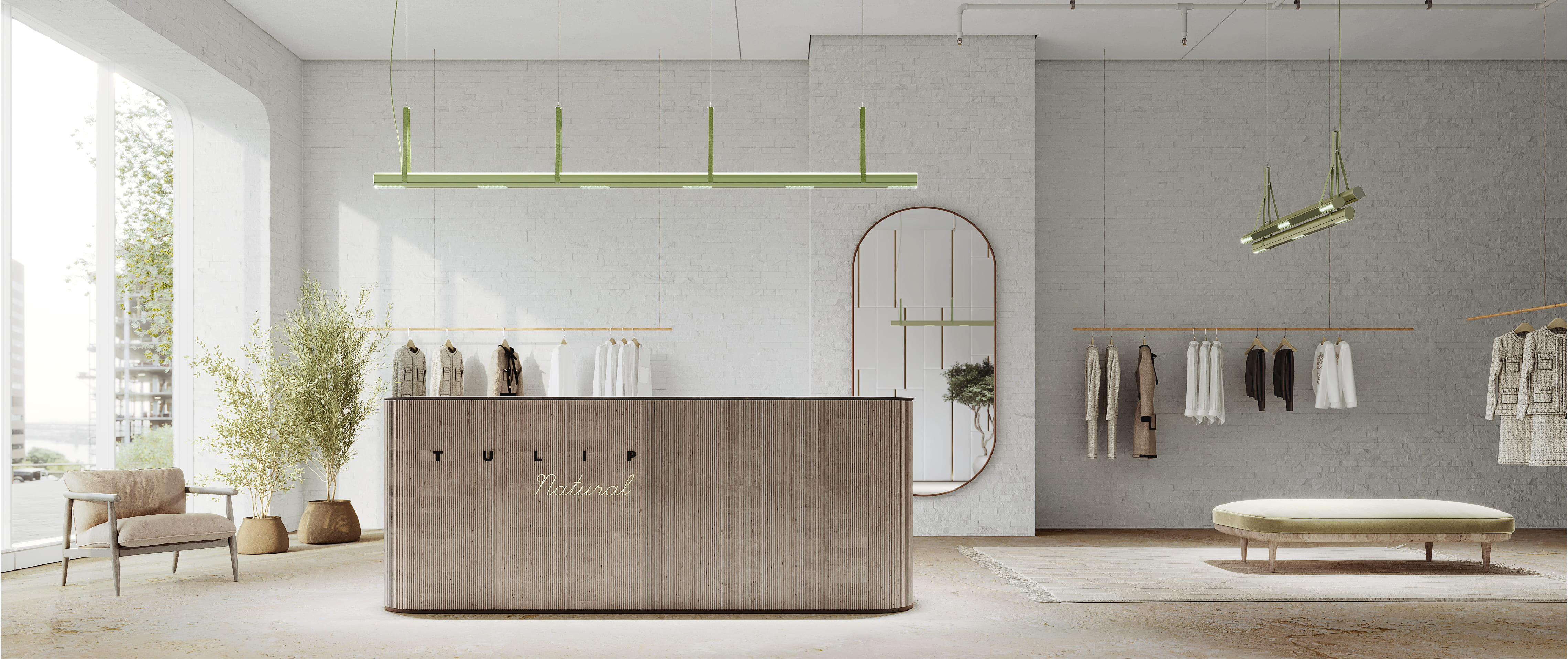
Produkt: TULIP
Designing with LED profiles is an art that combines technology with aesthetics. Well-thought-out lighting can completely transform the character of a space, highlight its strengths, and create a unique atmosphere. Remember, light is not just about functionality – it is a tool for creating emotions and experiences.