Where to buy
 Distributor zone
Beacon - light installation by Karolina Hałatek
A project by a talented Polish woman with a Guinness record as the largest LED construction in the world
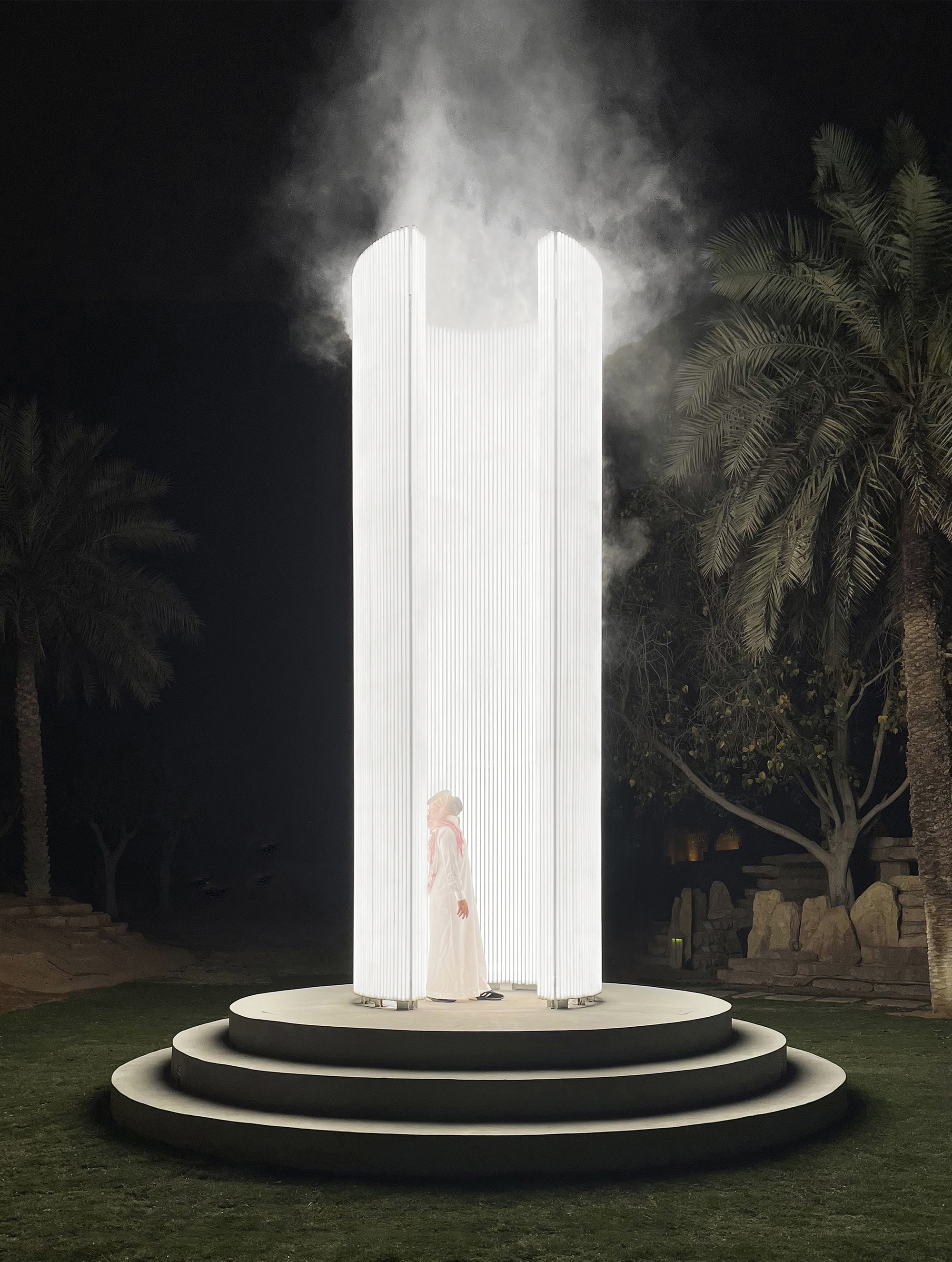
Beacon is an unusual light installation designed by a Pole, Karolina Hałatek, and shown during the famous festival of light and art in Riyadh, Saudi Arabia. The installation with LED lighting fixtures of the Polish brand KLUŚ has been entered in the Guinness Book of Records as the largest LED structure in the world with 272 160 light points.
Beacon is a light installation by Karolina Hałatek, who was the only Pole among dozens of artists from around the world invited to take part in the Noor Riyadh Festival in Saudi Arabia, which took place in 2021. The festival of light and art in Riyadh featured 33 light installations and a retrospective exhibition “Light Upon Light: Light Art since the 1960s”, presenting the achievements of over 30 light artists and over 270 other activities, in which world-famous designers and light artists participated.
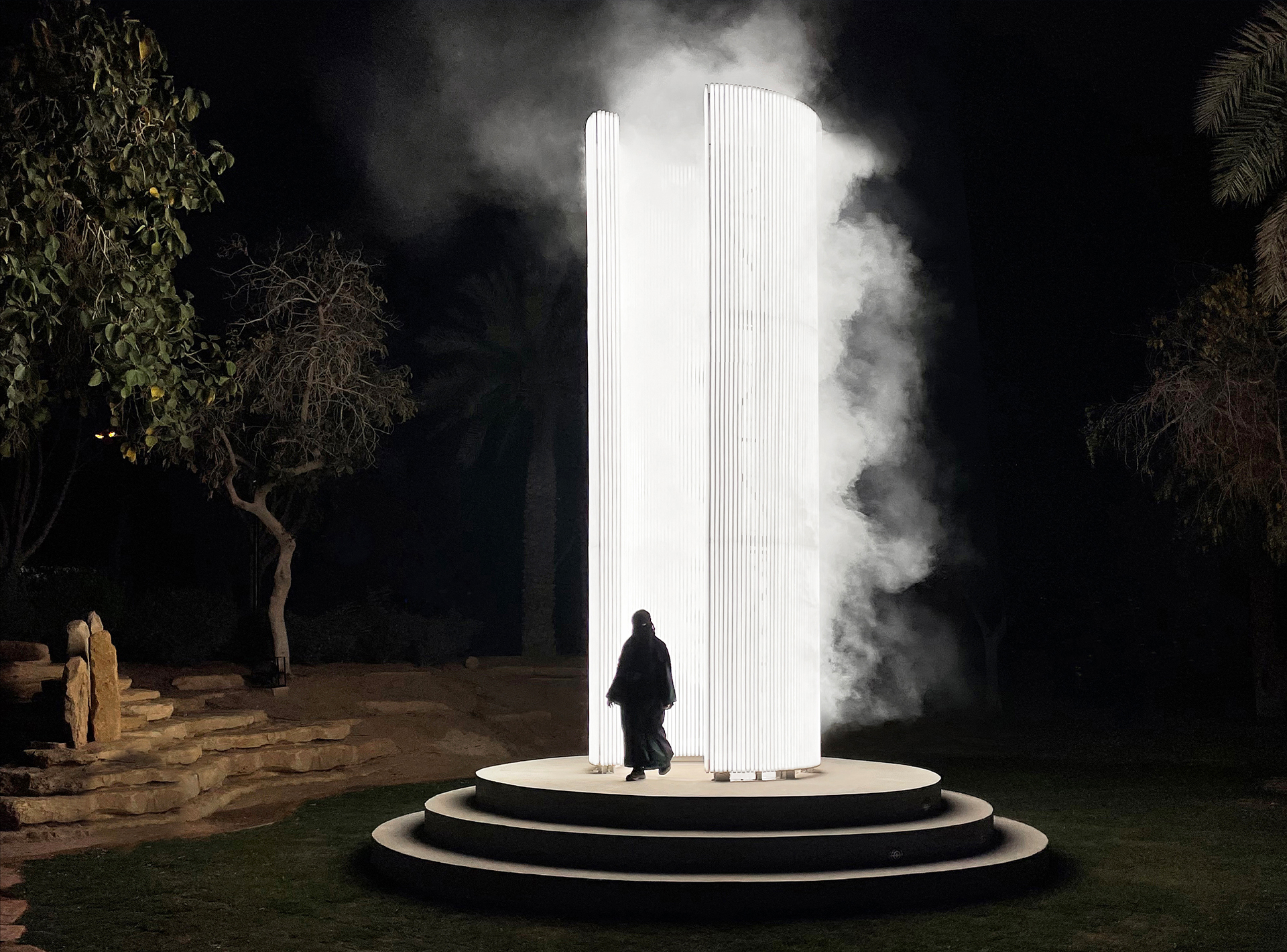
The Beacon installation, designed by Karolina Hałatek, with LED lighting fixtures from the Polish brand KLUŚ is an amazing, light pole directed towards the sky, inviting to enter. Karolina Hałatek told about this extraordinary event and her project in a special interview for Propertydesign.pl.
How did your collaboration with the Noor Riyadh Festival begin? How did it even happen that you, as the only Polish woman, were among several dozen artists from around the world who prepared installations for this event?
The invitation to the Noor Riyadh Festival came in an e-mail from Sumantro Ghose, the artistic director of the event. We arranged an online meeting and after an interview I started working on the project. I didn't get to ask how Sumantro got to me, but it doesn't really matter to me. What is more important to me is how a concept turns into a real experience.
What does Beacon symbolize? What did you want to express by it?
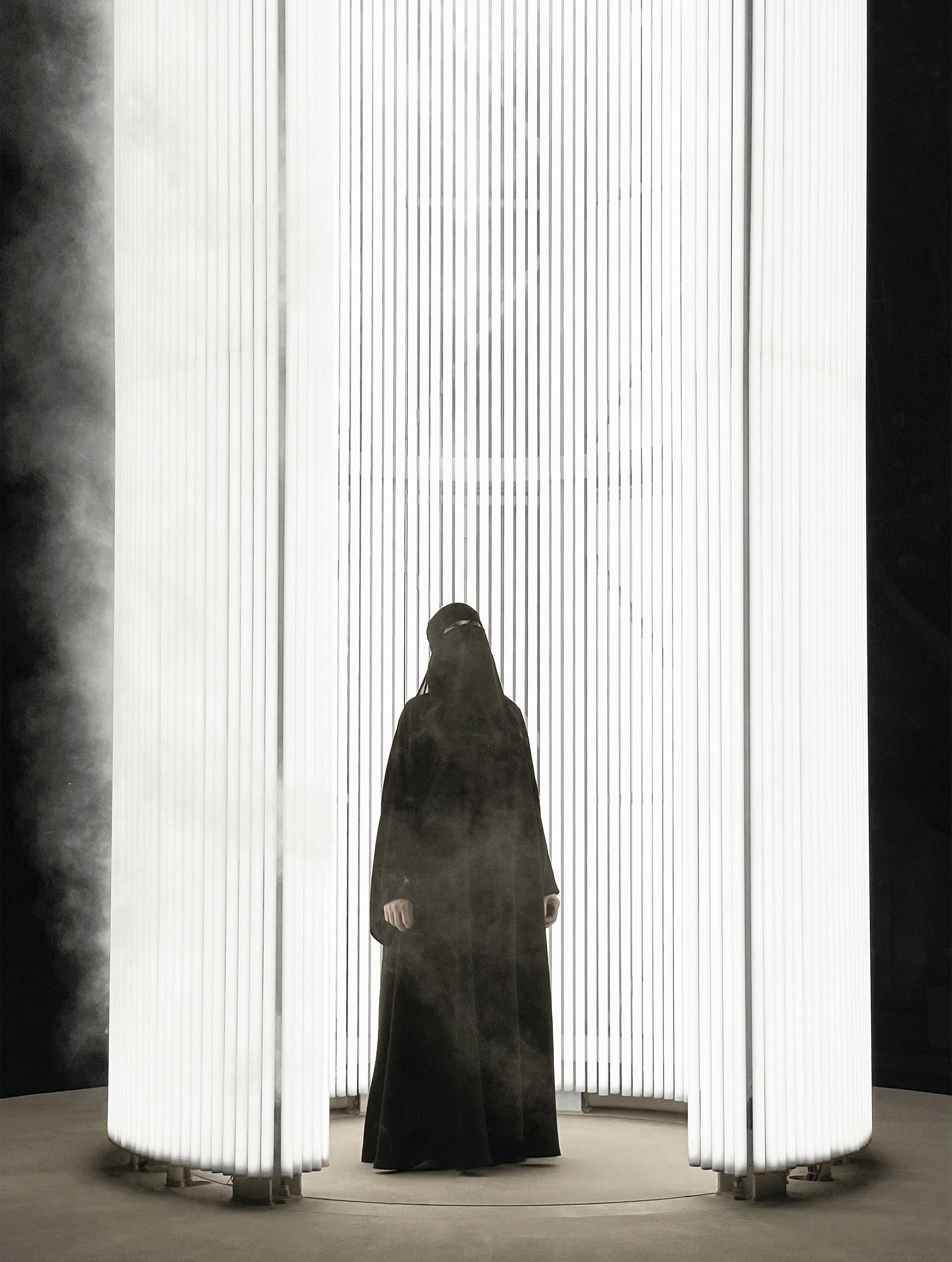
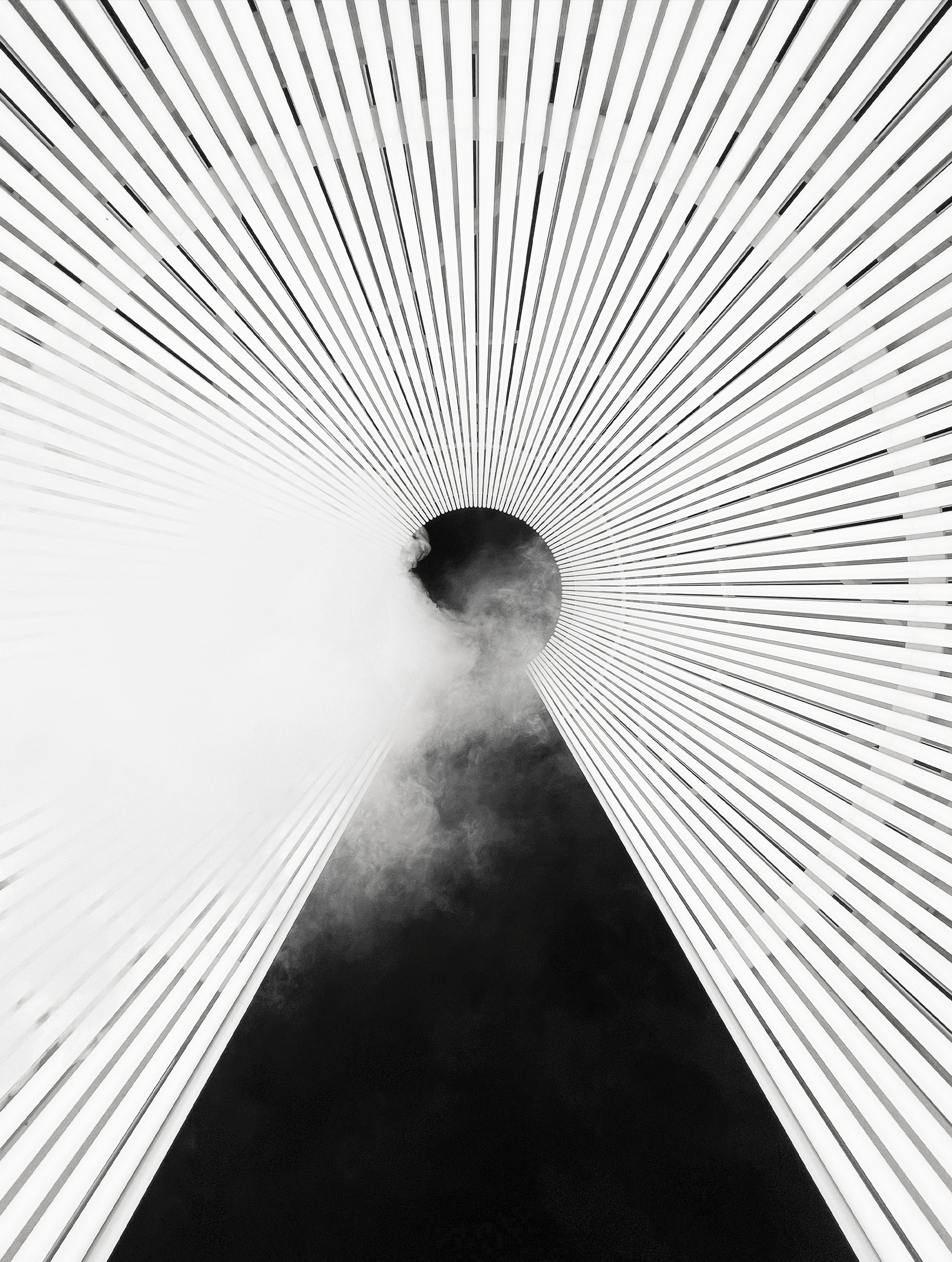
The word beacon means a guiding light, navigation light; it can be a lighthouse or a point of light in space. The Beacon installation has the dimension of horizontal navigation. It is designed so that its light is visible from a very large distance, to form a reference point. When you enter its luminous interior and look up, the installation directs your eyes vertically towards the sky.
The formal means used are a symbolic reference to existential issues, seeing life as a path on which we need to be guided in material and spiritual matters. A very important aspect of the installation is its immersiveness. It gives you the opportunity to "immerse" yourself in the light, enter the area of experience "here and now", allow you to contemplate and relax.
How long did it take to prepare the installation? What was the greatest challenge?
I was invited to work on the project a year before the festival started. The daily, intensive work took about 8 months. The biggest challenge was to design a concrete base, the technical design of which has changed many times. Also, the logistics and preparation of each stage of the project under time pressure, during new pandemic waves, new restrictions and the unknown, was a big challenge.
Beacon is a prototype, a technical experiment that had to be created within a strictly defined timeframe and was carried out partly in Poland and partly in Saudi Arabia by two independent production companies. Creating art is innovative in its nature, it is fascinating to create things that have never existed before, but it is associated with a high risk, and the larger the project, the greater the risk.
What LEDs, how many and what color were used in the installation?
I used Neonica LEDs for the installation, with a temperature of 4000 Kelvin, all over 1.5 km long. The Beacon installation was built in several stages, and the lighting fixtures were bolted to a steel structure.
KLUŚ lighting products:
Profile: JAZ, Ref: B8547
Cover: JAZ, frosted, Ref: 17162V1