
 Wo kaufen
 Distributorzone
Blog,
Case study,
12.12.2025
Warszawa Zachodnia Station – a symbiosis of engineering and light redefining the station of the future
Warszawa Zachodnia Station is currently the most spectacular railway investment on the Polish map in 2025 and forms part of the largest interchange hub in this part of Europe. This project, executed with unprecedented scale and ambition, goes far beyond a standard modernisation of an old piece of infrastructure. It is the construction, from the ground up, of a monumental urban organism integrating long distance rail, suburban rail and municipal transport under one “roof”. The architectural concept, developed by the DWAA Architekci practice, breaks decisively with the traditional image of Polish railway stations. Instead of cramped corridors, passengers gain access to spacious, multi level areas dominated by architectural concrete, steel and glass. However, in such a vast volume, where daylight reaches only selectively or not at all, artificial lighting plays a key role. It is lighting that defines the atmosphere of the place, builds a sense of safety and – most importantly in transit facilities – intuitively guides passengers to their destination. KLUŚ, as a supplier of advanced LED solutions, has become the technological partner of this transformation, proving that Polish engineering expertise can meet the most stringent demands of world class architecture.
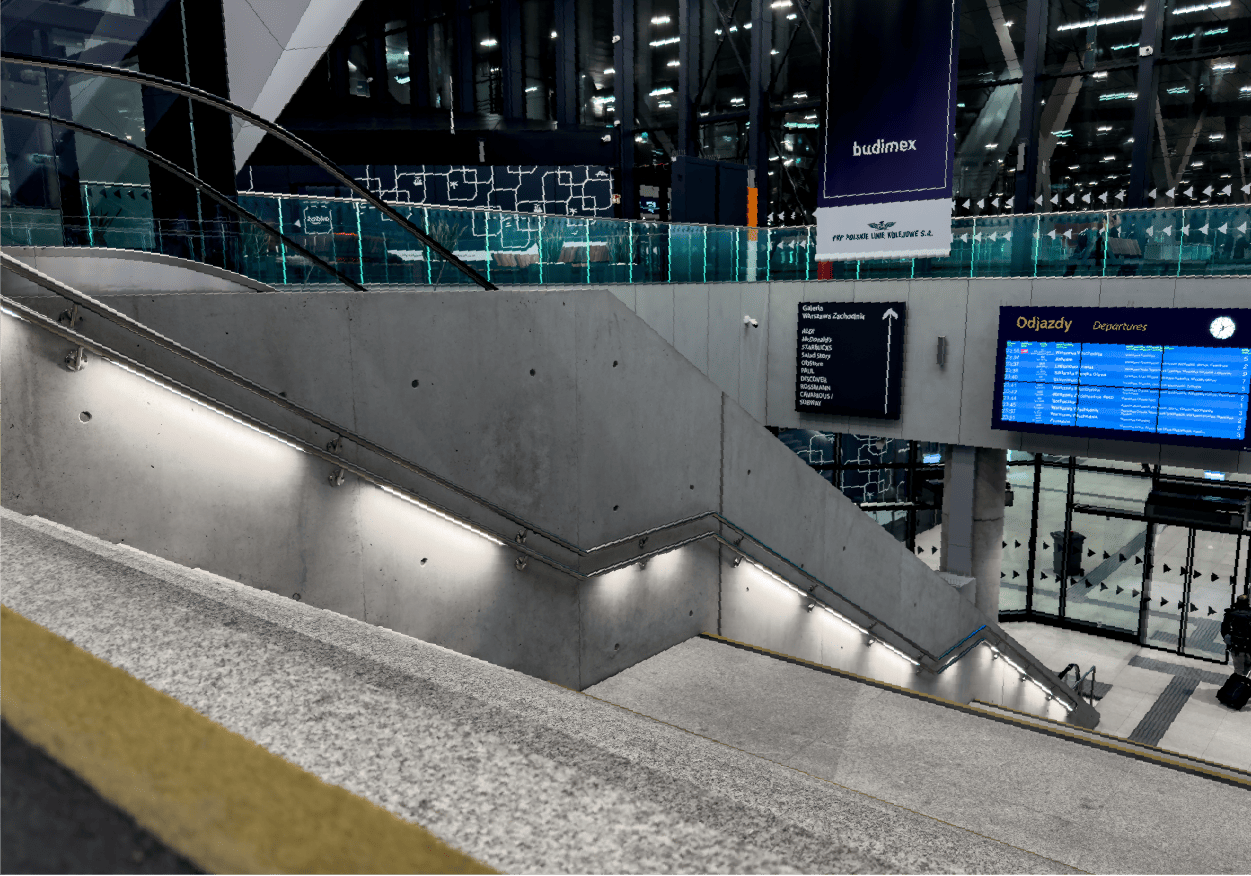
Product: POR
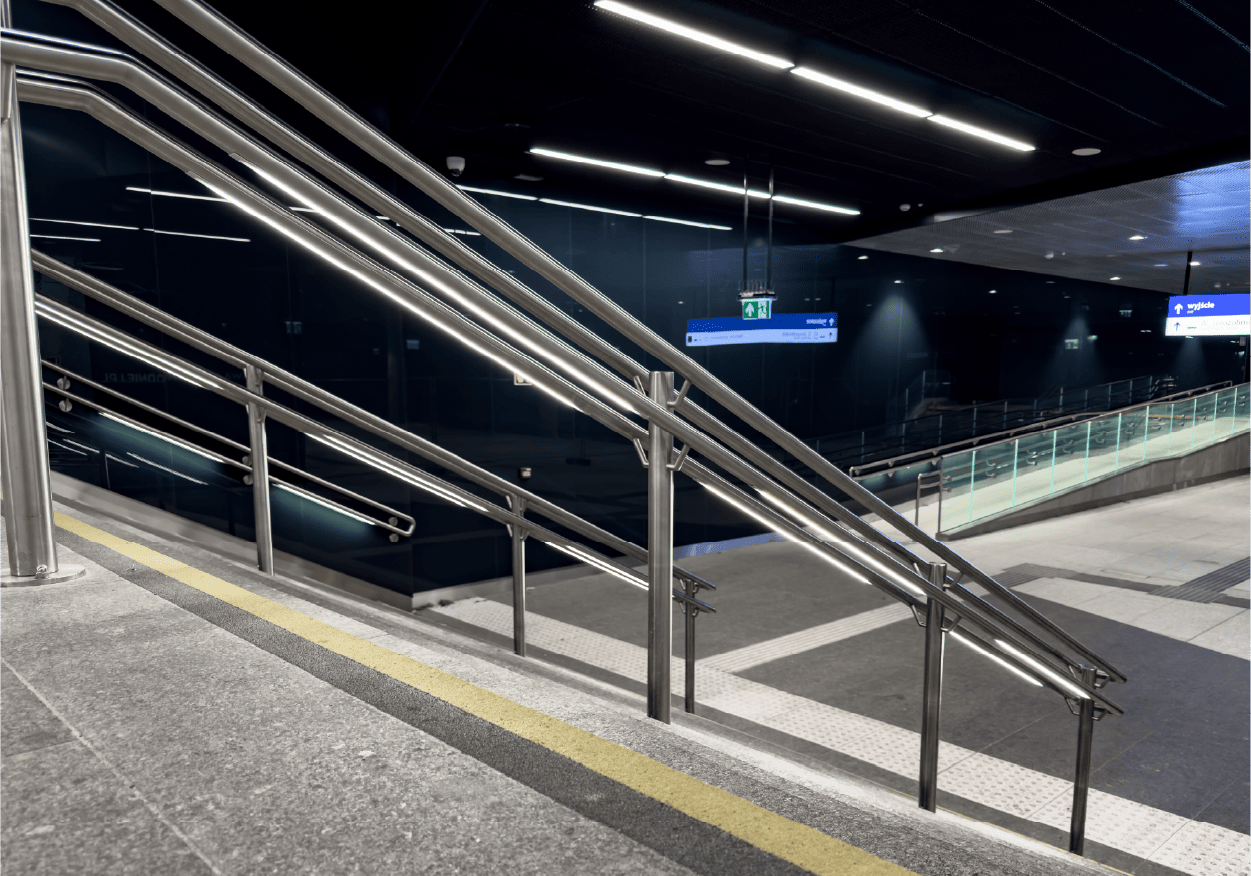
Product: POR
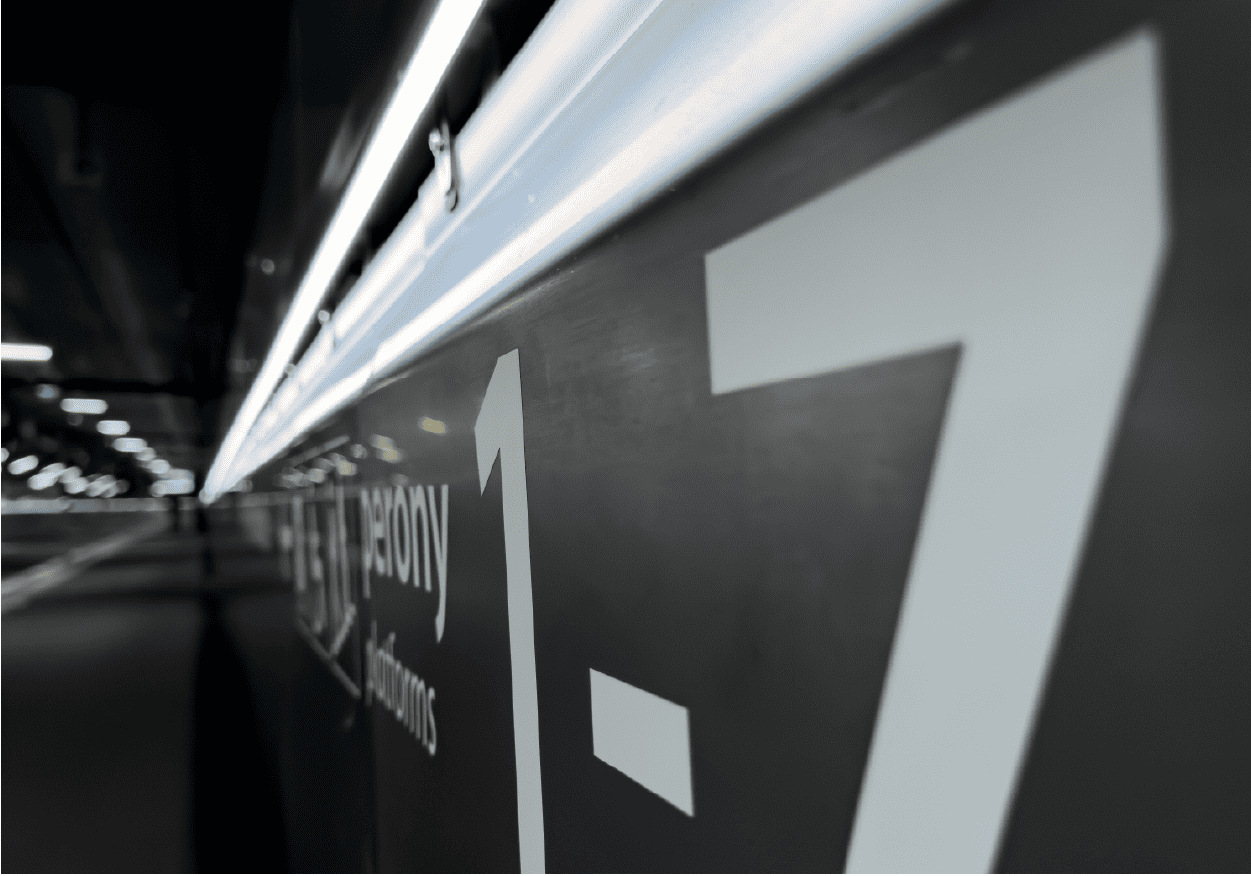
Product: PDS-4-PLUS
The technological heart of the installation – light quality that transforms the perception of space
The foundation of any lighting installation, regardless of the luminaires used, is the light source. In the case of a public use investment intended to serve millions of passengers over the coming decades, there is no room for compromise in the quality of electronic components. Both in handrail lighting and in wall recesses, the same high performance, extremely dense (240 LEDs per metre) LED strip KWP GHD30 0480 24 was used. This choice was driven by a range of key parameters that have a direct impact on the comfort and safety of station users.First and foremost, a colour temperature of 3000K was selected. In the raw, industrial environment dominated by the grey of concrete and the coolness of steel, the deliberate use of a slightly warmer light colour was an intentional design move. It helps to “soften” the perception of the architecture, introducing an element of visual warmth and calm into underground corridors and on to platforms, which is extremely important in places characterised by high traffic intensity and passenger stress. Equally important here is the high colour rendering index (CRI). Thanks to this, finishing materials retain their natural colours and people’s faces look natural, which subconsciously increases passengers’ sense of safety.
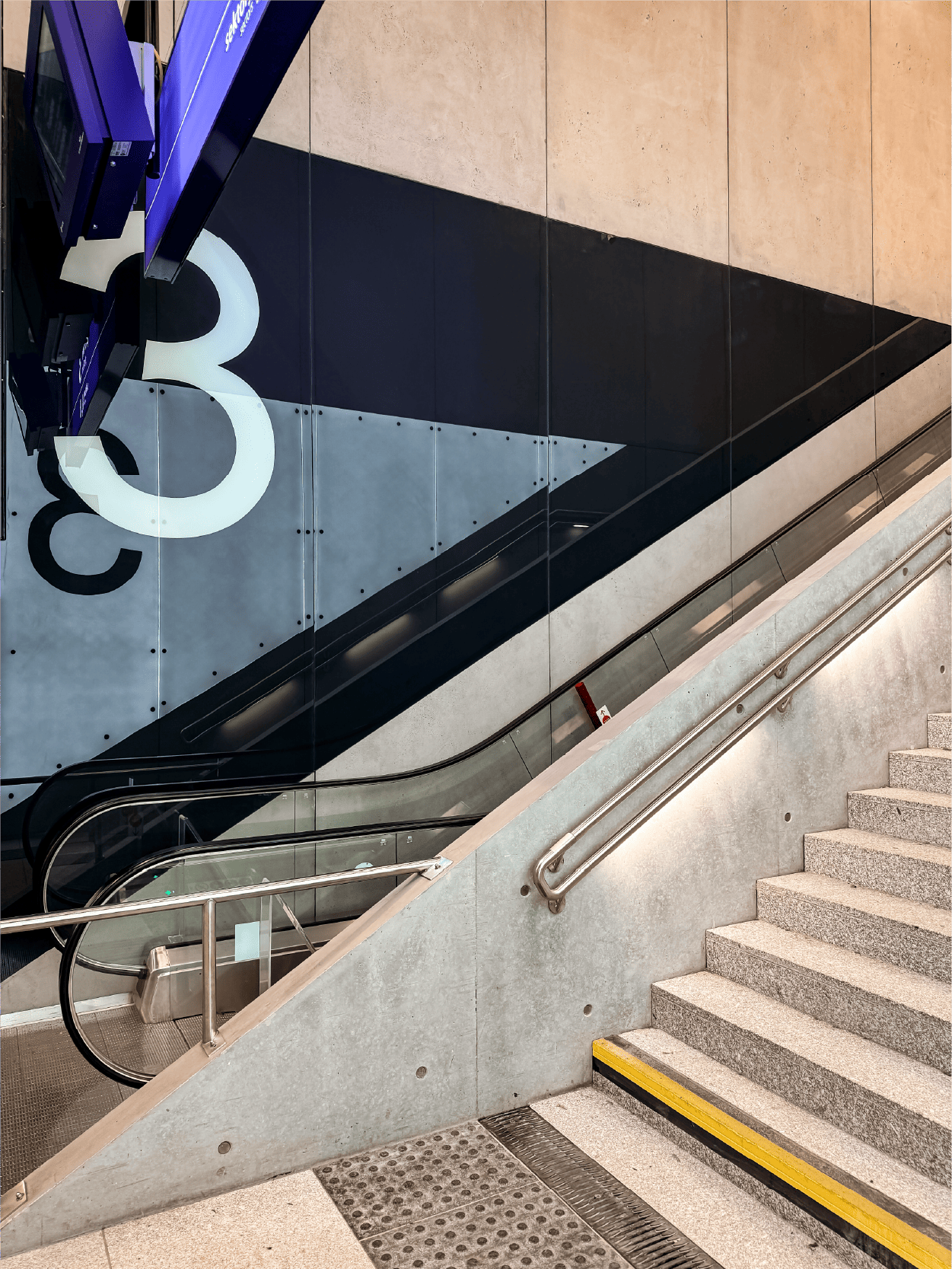
Product: POR
Product: POR
Product: POR
From the perspective of the investor and facility operator, operational parameters were, however, crucial.
The possibility of sealing the light source is standard at KLUŚ and a fundamental attribute for transport investments.
The LED strip used is powered by a low current 24V system. In a public space this is the standard guaranteeing the highest level of protection against electric shock, an absolute priority in places accessible to everyone, including children.
Among its operational advantages one must also note the low power consumption (just 4.8 W/m), which will have a real impact on running costs.
In addition, these strips are characterised by exceptional service life. In a facility operating 24 hours a day, where service access to many areas is difficult and would require closing off sections of the station, the longevity of the diodes and infrequent maintenance cycles translate into genuine financial savings and the absence of disruption to the functioning of the hub.
For long runs, a critical parameter that determined the choice of this particular LED strip from KLUŚ’s extensive range was the maximum feed length, which in this case is as much as 10 metres. KLUŚ technology has therefore provided a solution that is as economical as it is aesthetically refined.
The possibility of sealing the light source is standard at KLUŚ and a fundamental attribute for transport investments.
The LED strip used is powered by a low current 24V system. In a public space this is the standard guaranteeing the highest level of protection against electric shock, an absolute priority in places accessible to everyone, including children.
Among its operational advantages one must also note the low power consumption (just 4.8 W/m), which will have a real impact on running costs.
In addition, these strips are characterised by exceptional service life. In a facility operating 24 hours a day, where service access to many areas is difficult and would require closing off sections of the station, the longevity of the diodes and infrequent maintenance cycles translate into genuine financial savings and the absence of disruption to the functioning of the hub.
For long runs, a critical parameter that determined the choice of this particular LED strip from KLUŚ’s extensive range was the maximum feed length, which in this case is as much as 10 metres. KLUŚ technology has therefore provided a solution that is as economical as it is aesthetically refined.
Product: POR
Product: POR
Product: POR
POR profile – a specialist for special tasks
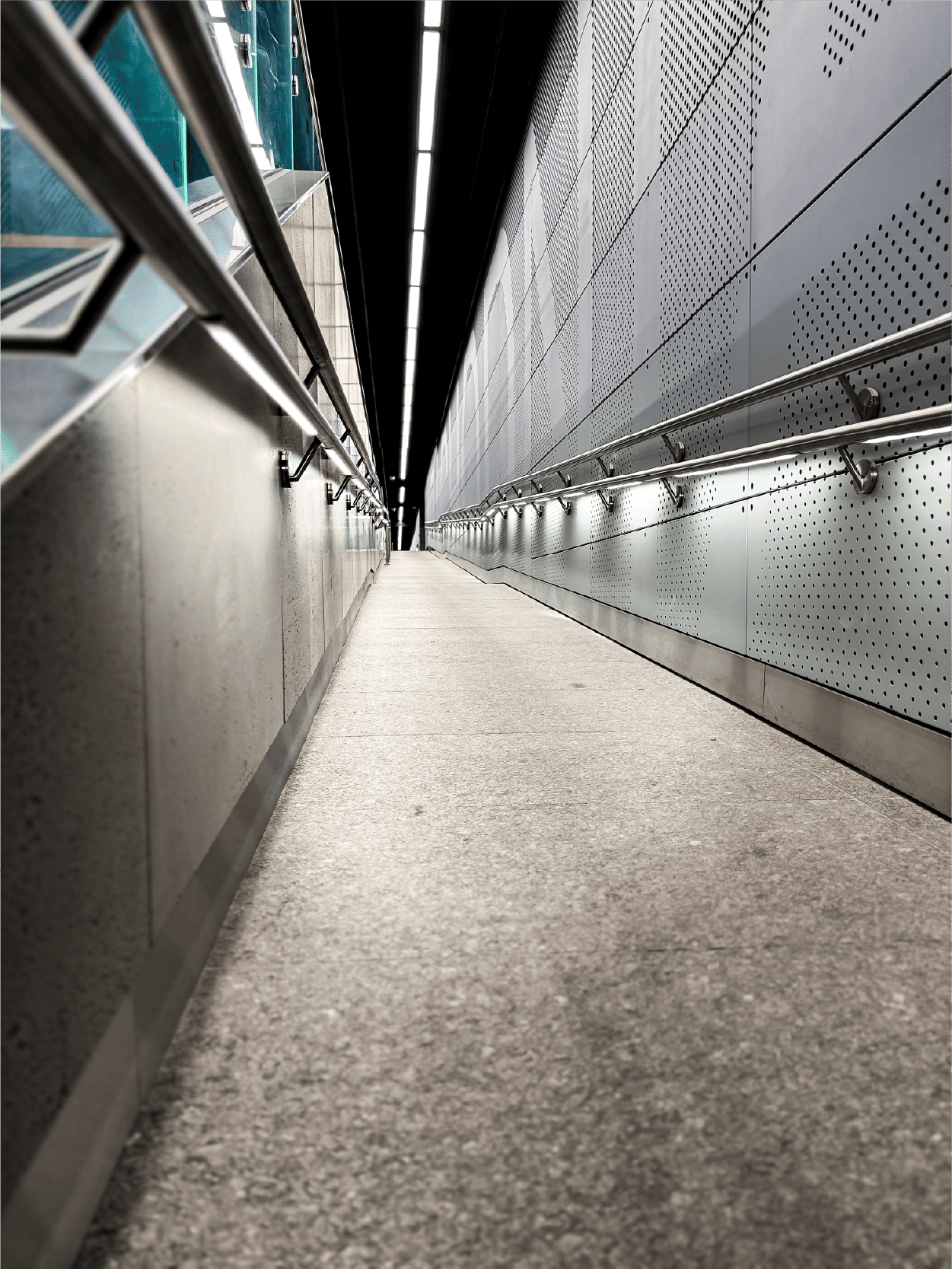
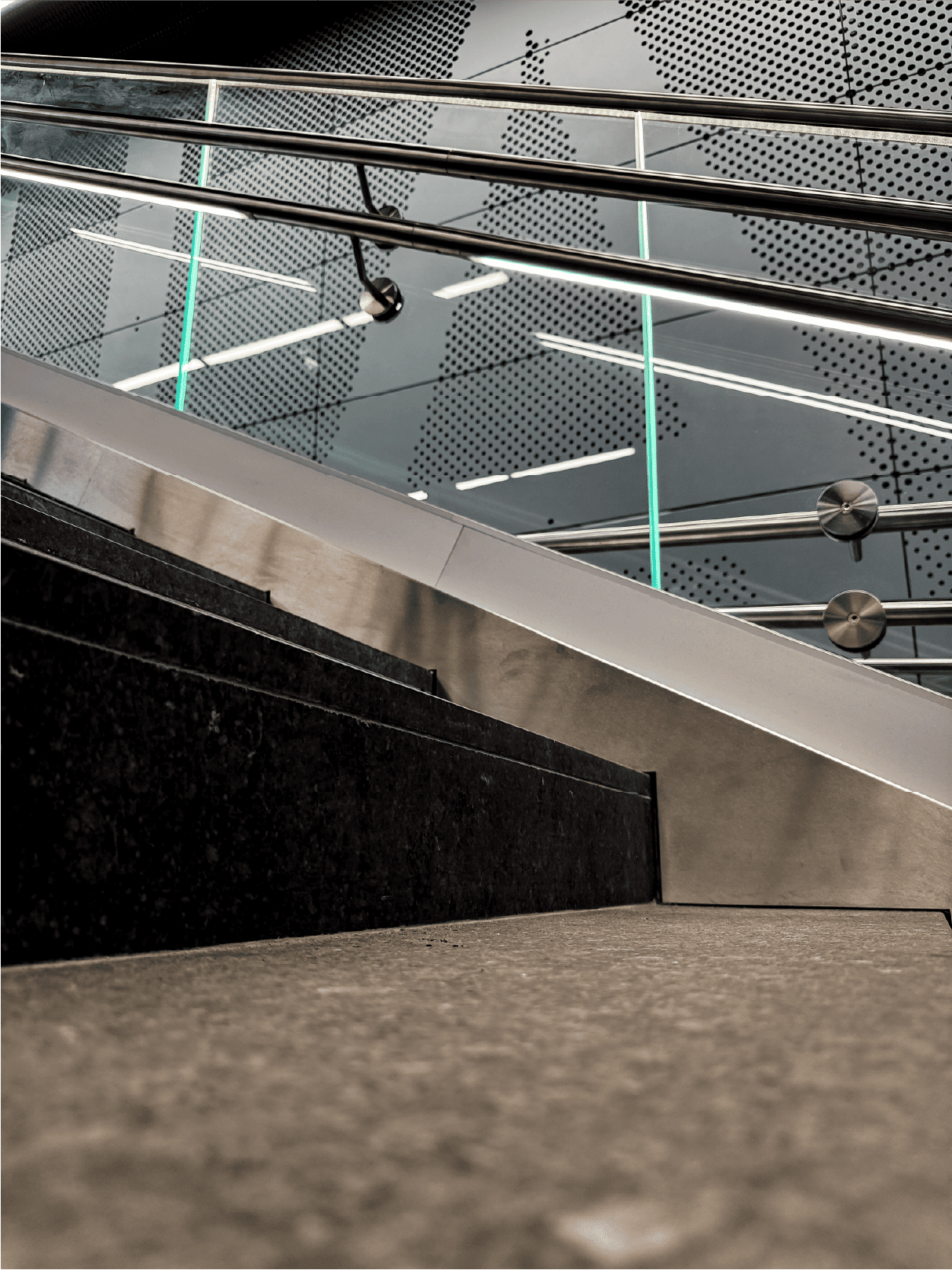
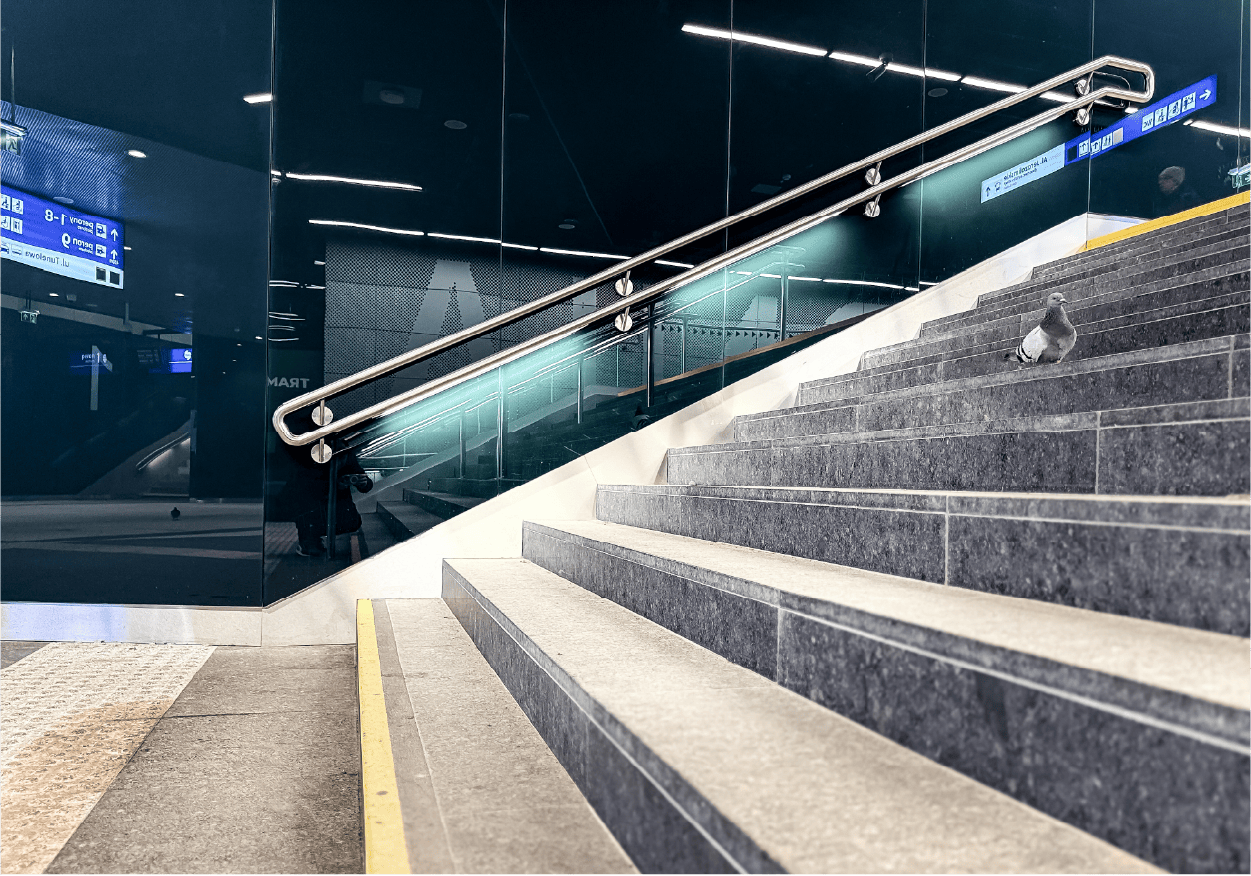
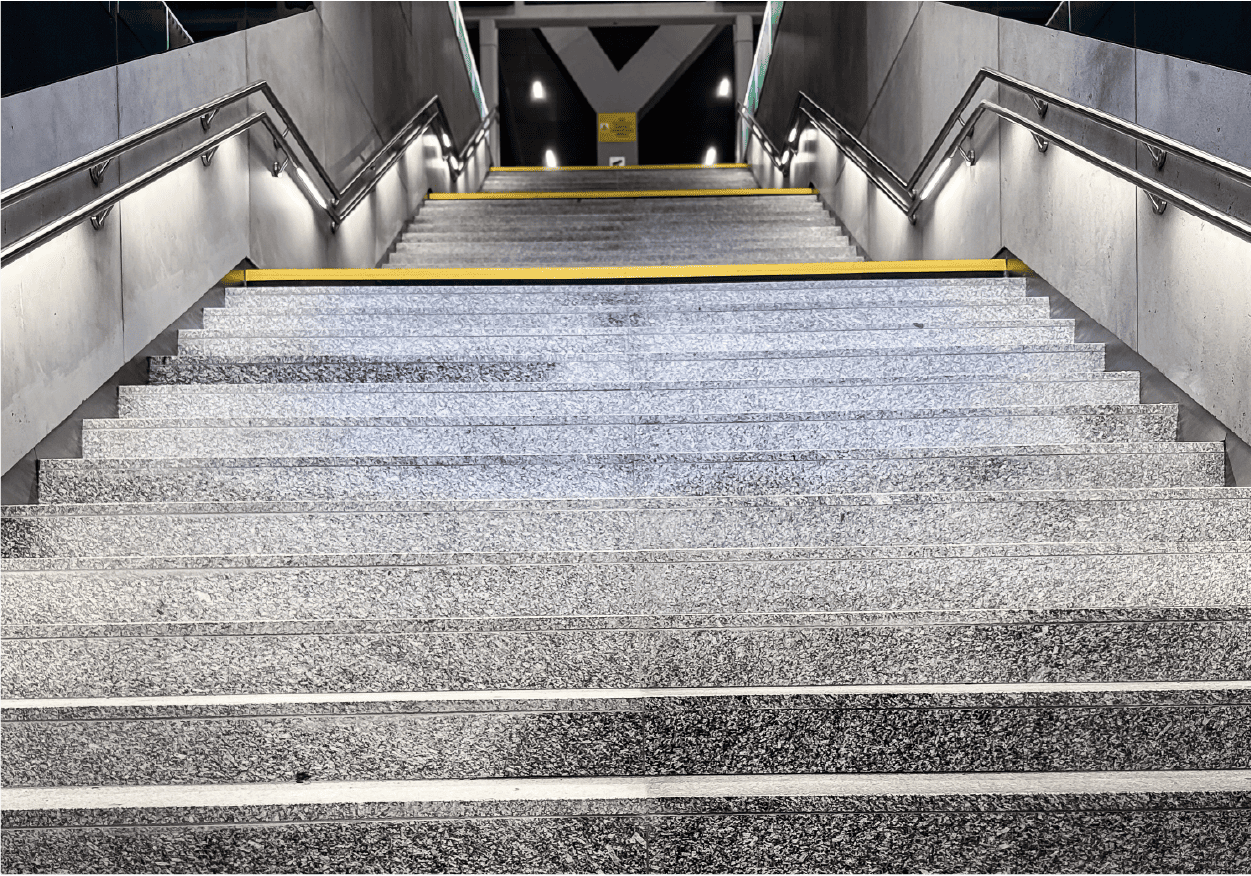
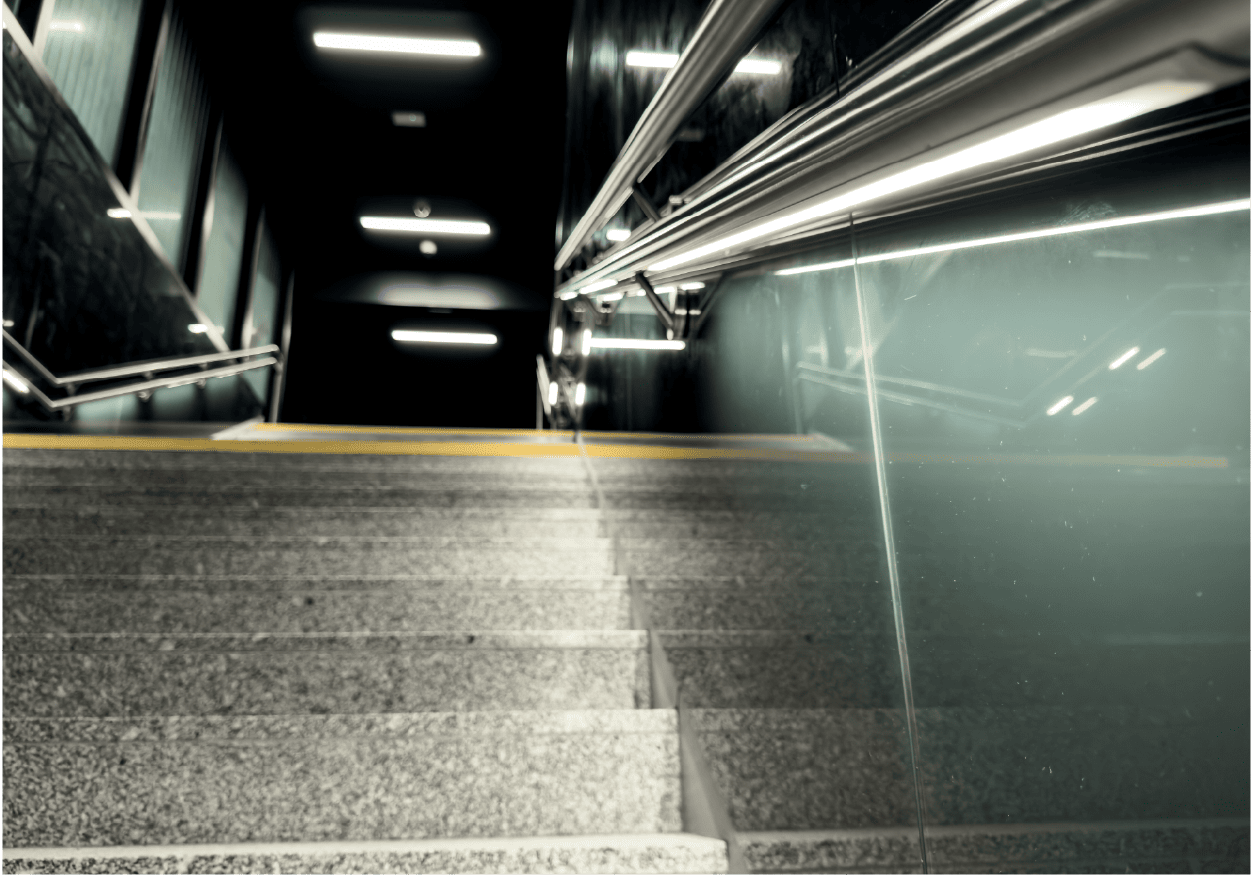
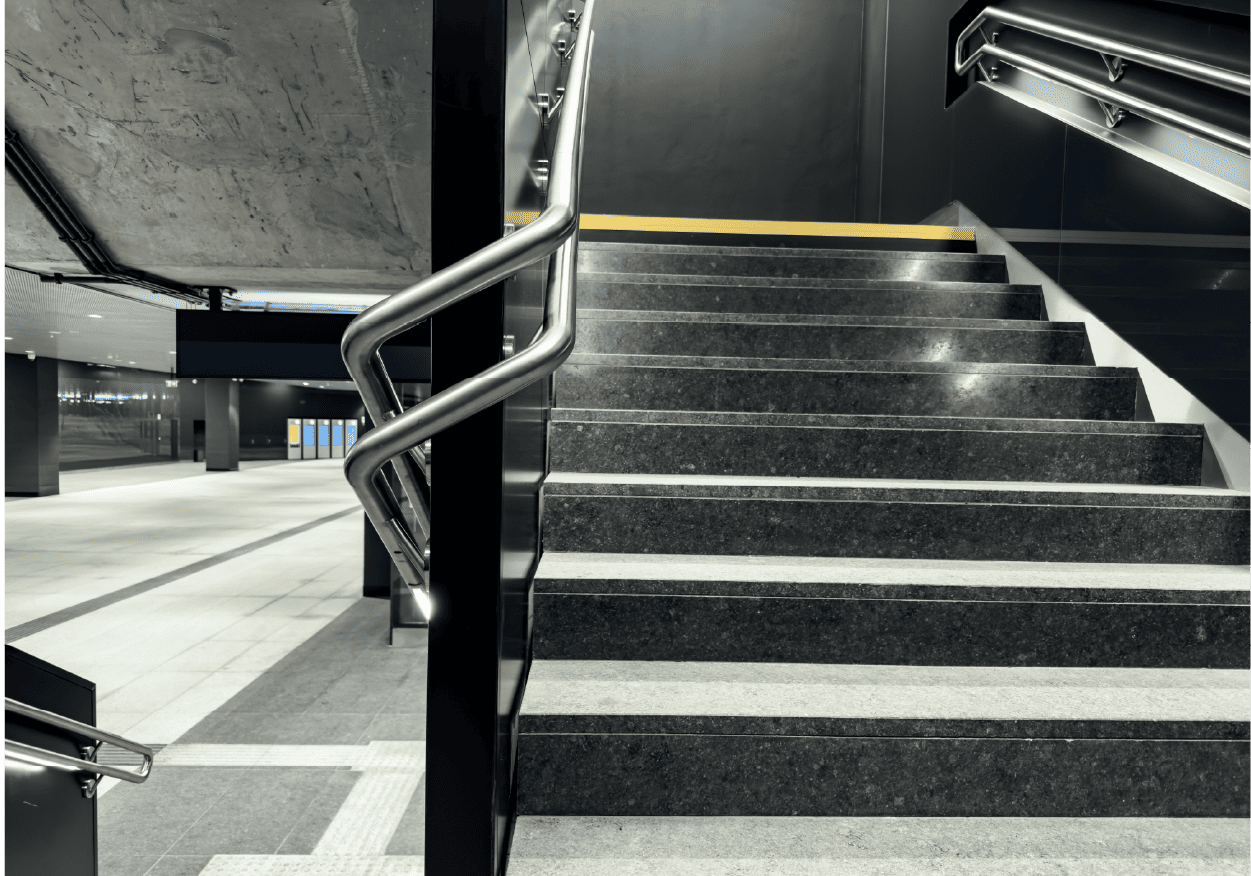
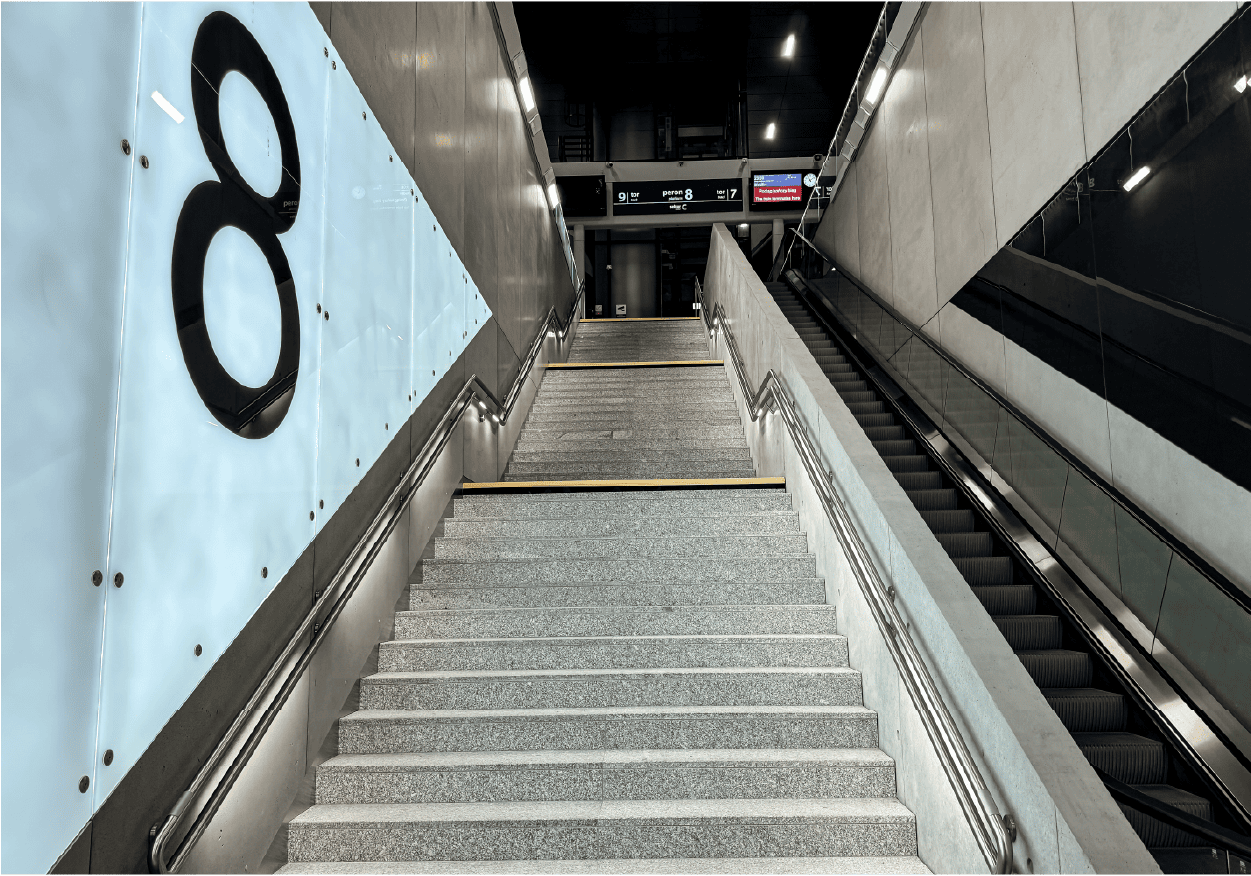
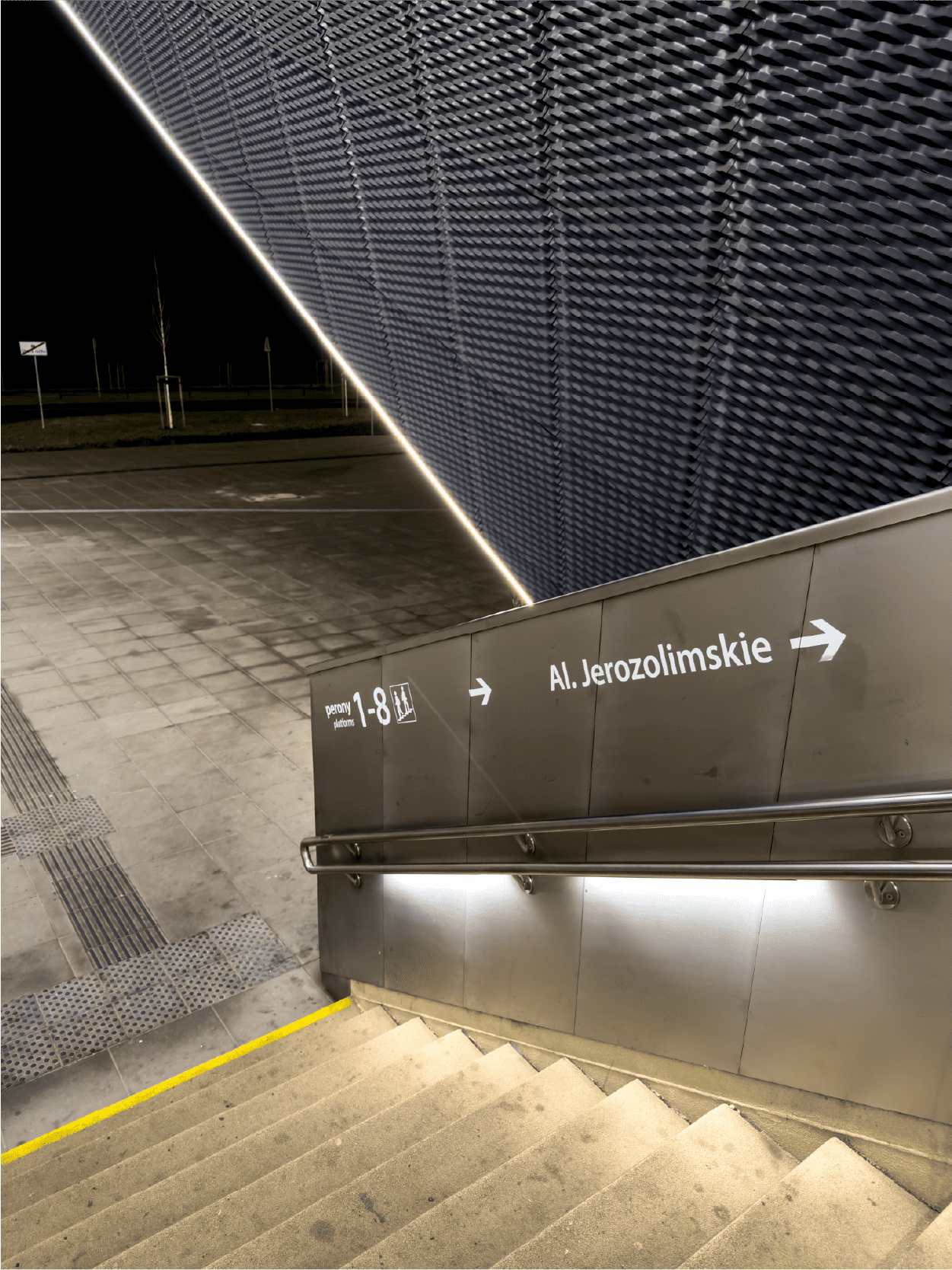
The lighting of circulation routes at Warszawa Zachodnia Station is an excellent example of the breadth and diversity of the KLUŚ portfolio. The first of the implemented solutions is the handrail lighting system, based on the POR The name of this product itself indicates its highly specialised purpose – it is not an adaptation of a random profile, but an engineered solution developed from scratch with integration into balustrades in mind. This profile has been designed to “snap” perfectly into the inside of metal handrail tubes, forming with them a single, cohesive whole. As a result, the light source is invisible to the eye, and passengers see only the effect – evenly illuminated stair treads.The specific nature of a railway station necessitated the use of solutions with increased resistance. Handrails are elements of the infrastructure that are constantly touched by thousands of hands, exposed to vibrations caused by passing trains, as well as to moisture and cleaning agents used during machine floor cleaning. For this reason, the POR luminaires supplied to the site were factory sealed by the KLUŚ production department to IP67. This means a level of hermeticity that completely protects the electronics against dust and water. The scale of this implementation is impressive – in total, approximately one kilometre of profiles was installed. They were supplied in three precisely defined lengths (in total more than 1,400 pieces), which made it possible to flexibly adapt the lighting to the rhythm of the balustrade’s structural posts, regardless of the length of each flight of stairs. The POR profile demonstrates that KLUŚ has in its portfolio dedicated solutions that address very specific, niche design challenges with masterful precision.
Product: POR
Product: POR
Product: POR
PDS-4-PLUS – the universal chameleon of architecture
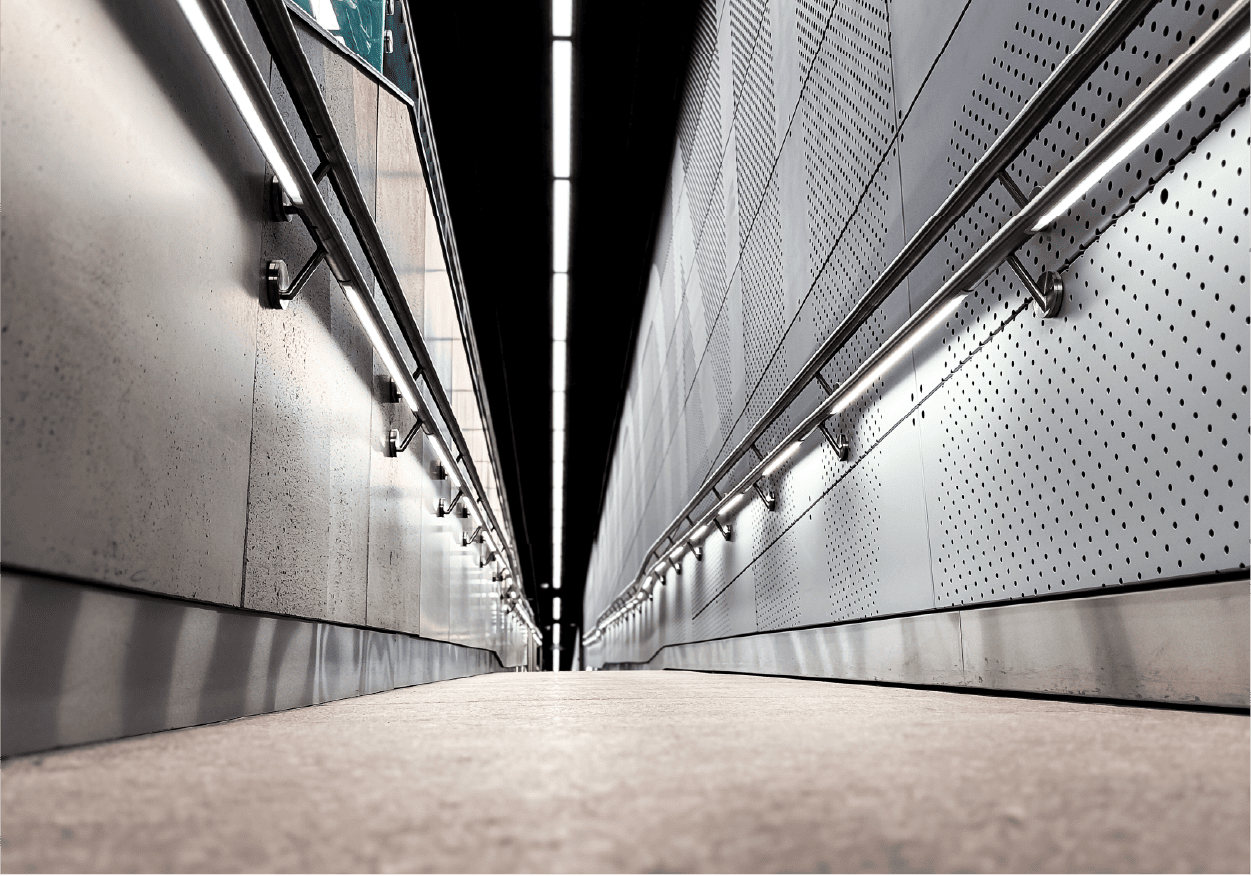
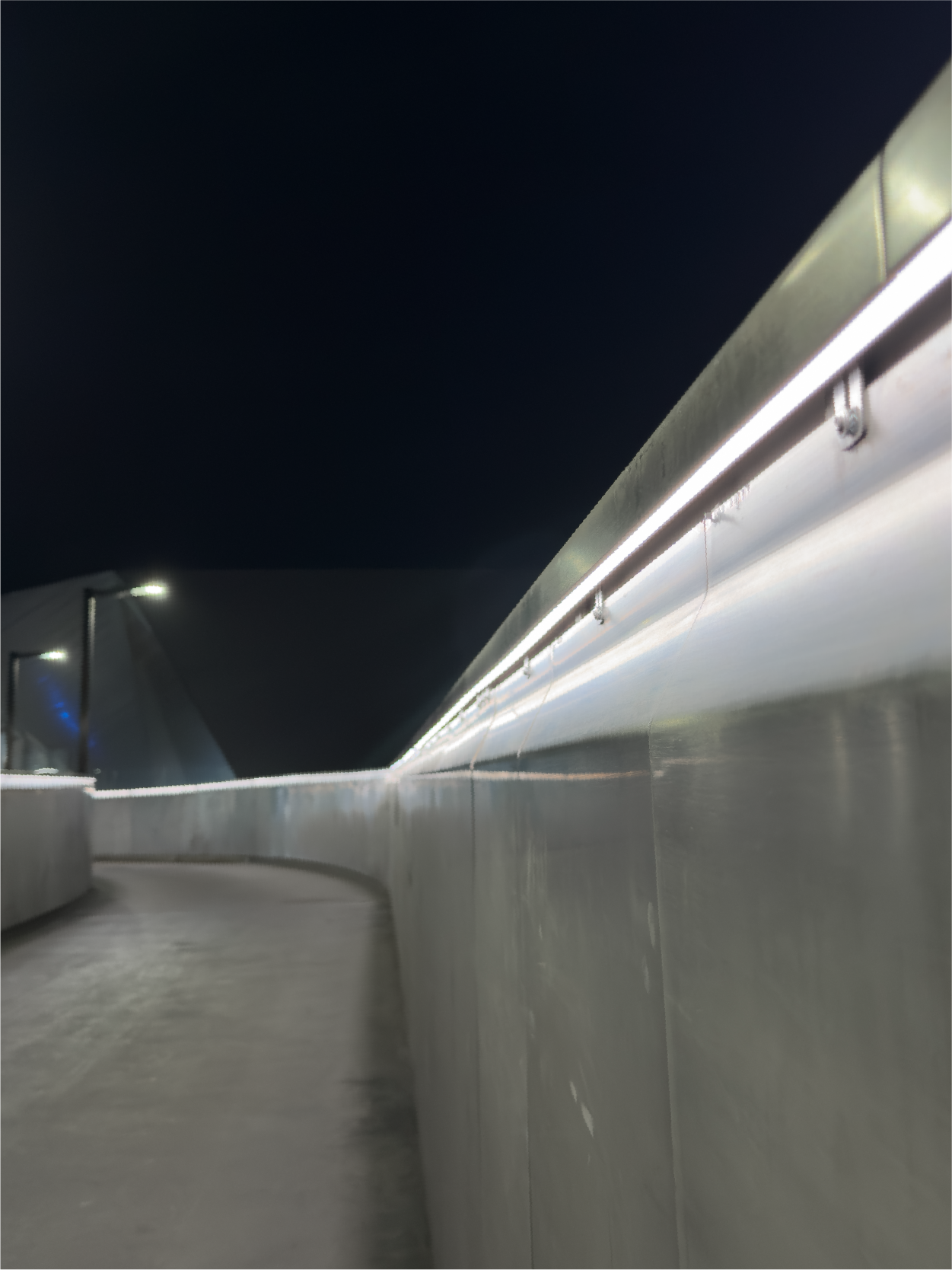
Whereas the POR profile is a specialist in its narrow field, the second solution applied – the PDS-4-PLUS profile – is the very embodiment of universality and flexibility within the KLUŚ system. It was used to illuminate long recesses along descent ramps and on the spectacular footbridge above the platforms. In this case, the architects aimed to achieve the effect of endless lines of light that emphasise the horizontal layout of the station and dynamically guide passengers’ gaze.Factory sealed to IP67, the PDS-4-PLUS profile was chosen for its extensive adaptive capabilities. It is a product that works perfectly as a primary linear lighting solution but, thanks to its wide range of accessories and technical possibilities, can also meet the most demanding architectural visions. At Warszawa Zachodnia Station its role was to integrate with the wall architecture – both on straight stretches and on the numerous curves and arcs that are characteristic of the contemporary form of this building. The ability to bend the profile made it possible to smoothly follow the geometry of the corridors without the need for angular connections.
To obtain a uniform line of light over lengths of several dozen metres, the profiles were combined into longer sections – three or four modules were joined in series. In total, around 800 metres of this solution were installed in the recesses and along the footbridge. In this project, PDS-4-PLUS proves that a single, well designed system can function both as decorative lighting and as wayfinding illumination, adapting to changing architectural conditions.
Product: PDS-4-PLUS

Product: POR
Products: POR, PDS-4-PLUS
