
 Wo kaufen
 Distributorzone
Blog,
Abc der Beleuchtung,
27.08.2024
Selecting Light Color Temperature: The Key to Creating Mood and Functionality
Lighting plays a key role in shaping the atmosphere and functionality of interiors. One of the most important aspects of lighting is the color temperature of the light, which affects not only the aesthetics of the space, but also our mood and efficiency. Understanding how color temperature works and how to choose it effectively depending on where the lighting fixtures are installed is the key to optimal use of LED lighting.
What is Color Temperature?
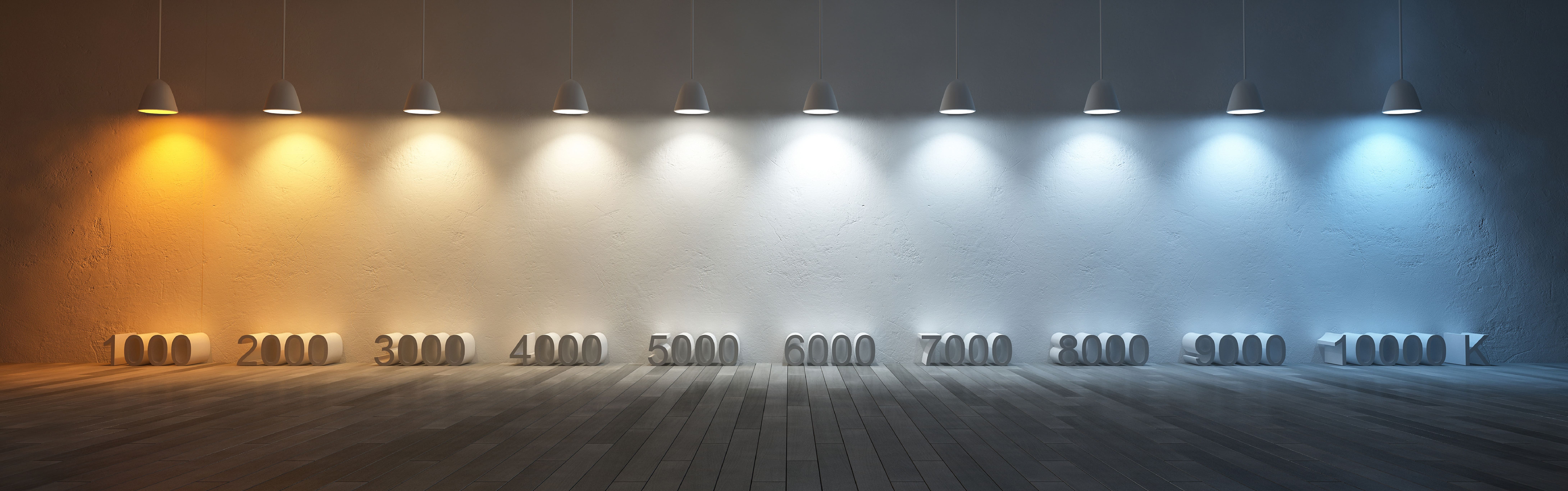
The color temperature of light is measured in Kelvin (K) and describes the shade of light emitted. Generally, lower Kelvin values represent warm, yellowish light, while higher values represent cold, white light. For example, a candle emits very warm light with a temperature of about 2000K, while daylight on a sunny day has a value of about 6500K.Examples of Color Temperatures in Nature:
• 2000K – Candle light: Warm, yellowish light, perfect for creating an intimate atmosphere.• 2700K – Traditional light bulb: Gentle, friendly light that promotes relaxation.
• 3500K – Rising sun: Neutral light that is more dynamic but still pleasant.
• 4500K – Fluorescent lamp: Clean, neutral light suitable for general applications.
• 6500K – Daylight: Cold, intense light similar to daylight.
• 30000K – Lightning: The coldest light in nature, extremely white.
Color of Light and Its Impact on Our Well-Being:
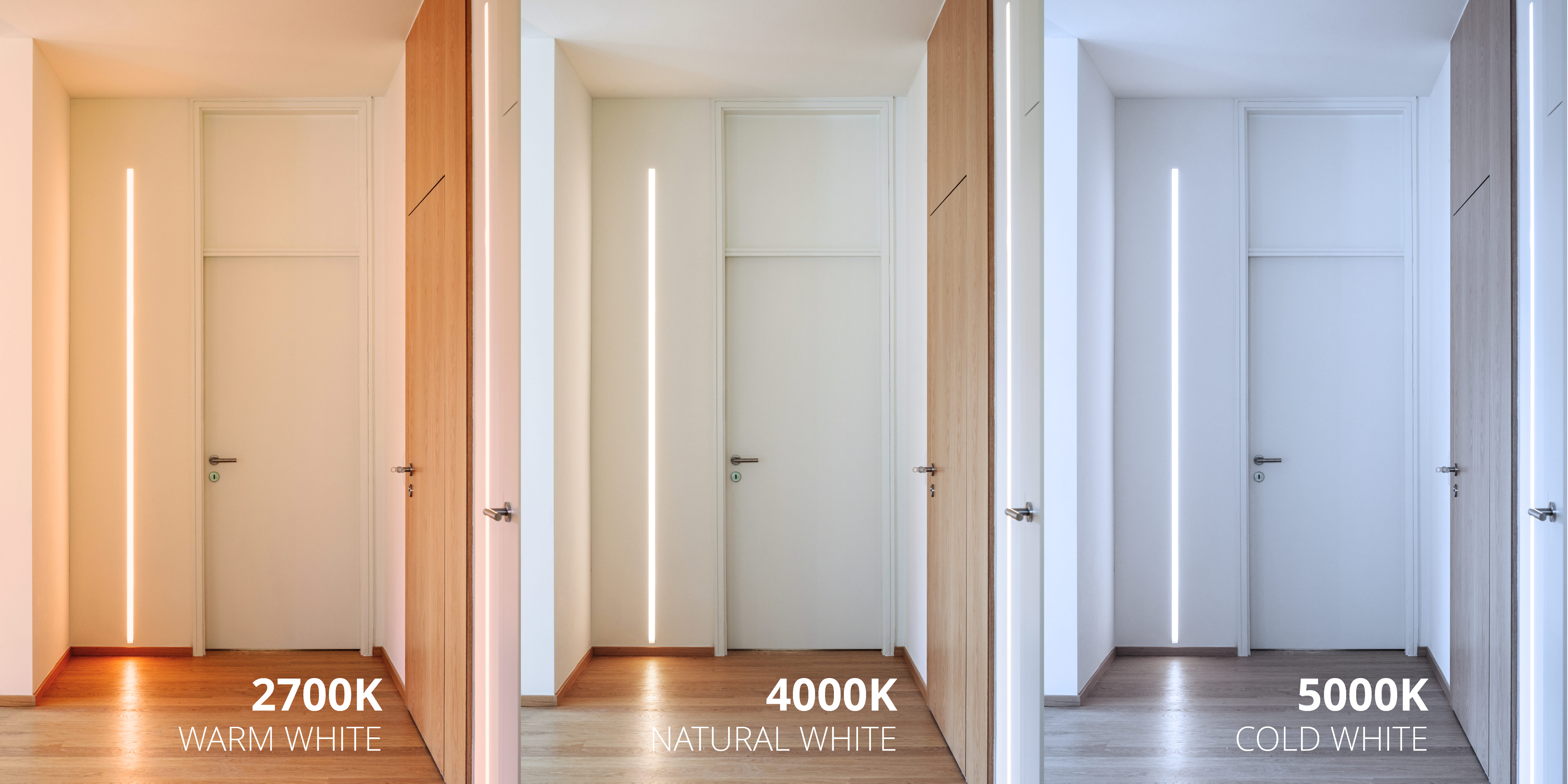
The color of light plays a key role in how we perceive our surroundings and how we feel in it. Each color temperature range produces different effects and is suitable for different contexts and activities.• Warm Light Colors (2700K - 3300K): Warm light is similar to the light emitted by candles and traditional light bulbs. It creates a cozy, relaxing atmosphere, which makes it ideal for bedrooms and lounge areas. Warm light promotes calm and relaxation, preparing the body for sleep.
• Neutral Light Colors (3500K - 4500K): Neutral light, similar to natural daylight, is versatile and neutral in its impact. It is the most frequently chosen light color for general lighting in offices, kitchens, bathrooms and living rooms, where good visibility and comfort are needed.
• Cold Light Colors (5000K - 6500K): Cold, bluish light stimulates and improves concentration. It is perfect for places where high attention and precision are required, such as offices and workplaces. Cold light promotes efficiency and is ideal for situations requiring a lot of concentration.
How to choose the color temperature for a room?
Choosing the right color temperature is crucial for the comfort and functionality of the lighting in the room. Here are some tips on how to choose the color temperature of LED strips in different types of spaces:House Rooms
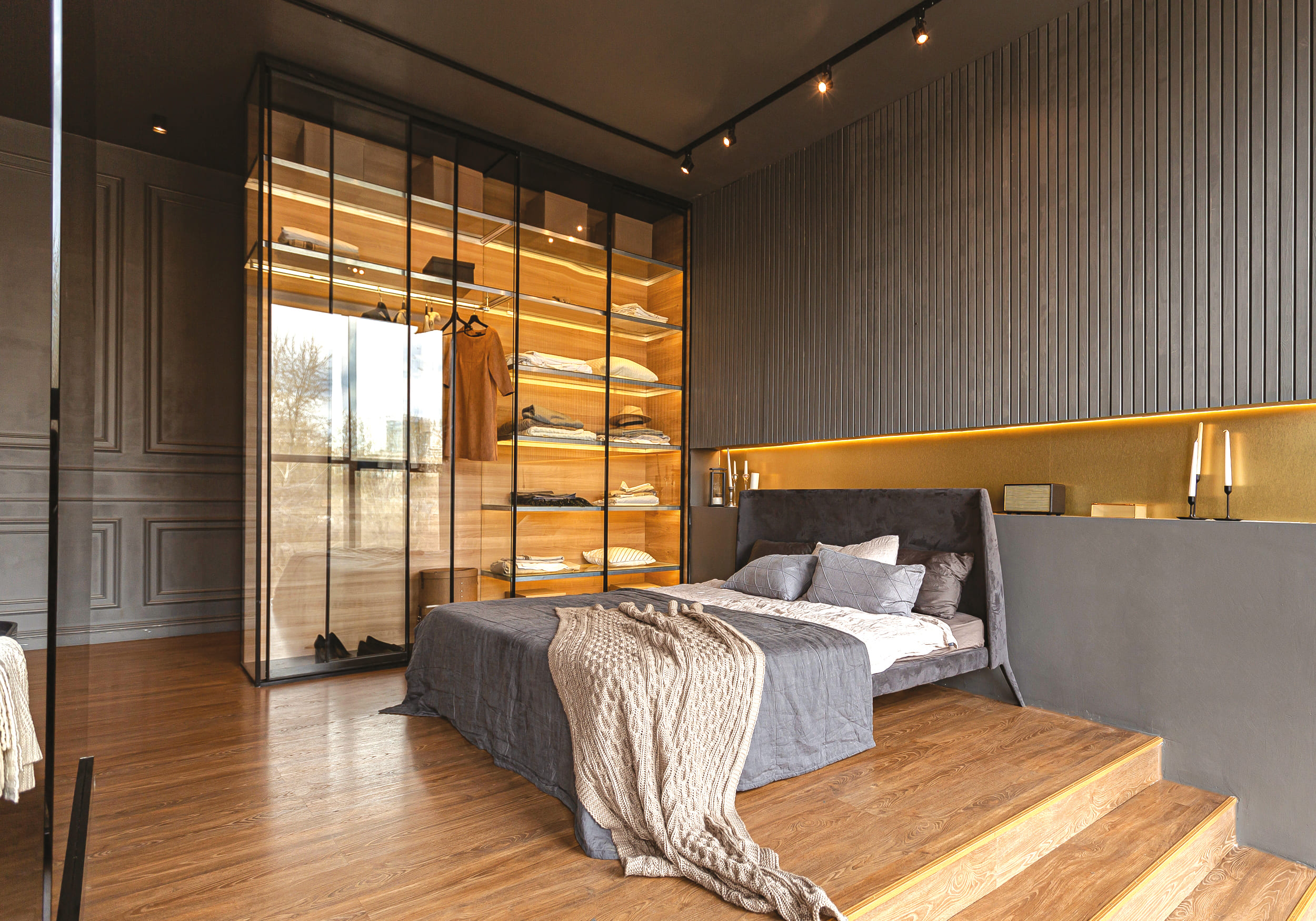
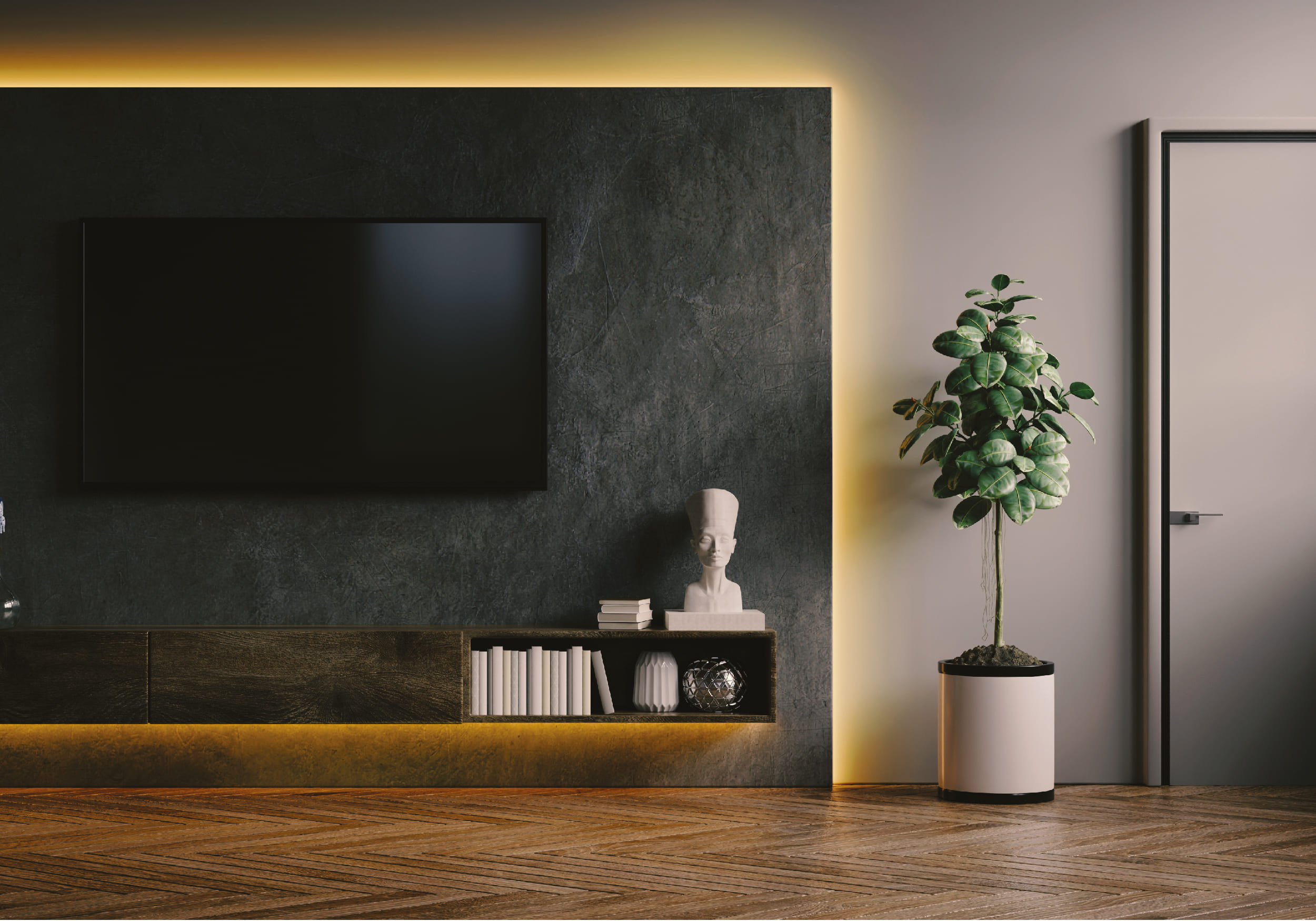
• Bedroom: Warm light (2700-3000K) is perfect for the bedroom, where we want to create an atmosphere conducive to relaxation and calm before going to sleep. Warm colors also help improve sleep quality.• Hallway/Corridor: In these spaces, warm light (2700-3000K) makes the rooms look cozier and more hospitable.
• Kitchen and Bathroom: Neutral light (3500-4500K) is perfect for places where good visibility and natural color reproduction are required. A high CRI (Color Rendering Index) is particularly important so that colors are reproduced as close to real as possible.
• Office: Cooler light (4000-5000K) promotes concentration and is ideal for workspaces such as offices. It stimulates the mind and helps increase efficiency.
• Children's Room: Depending on the function, warm light is recommended for places of relaxation, while cold light is better over a study area to support concentration. A perfect solution to the dilemma is the use of LED strips with the ability to adjust the color temperature in the range of 2700K-5000K (tunable white) or 3000K-1800K (dim to warm).
Product: MICRO-PLUS
Product: GIZA-LL
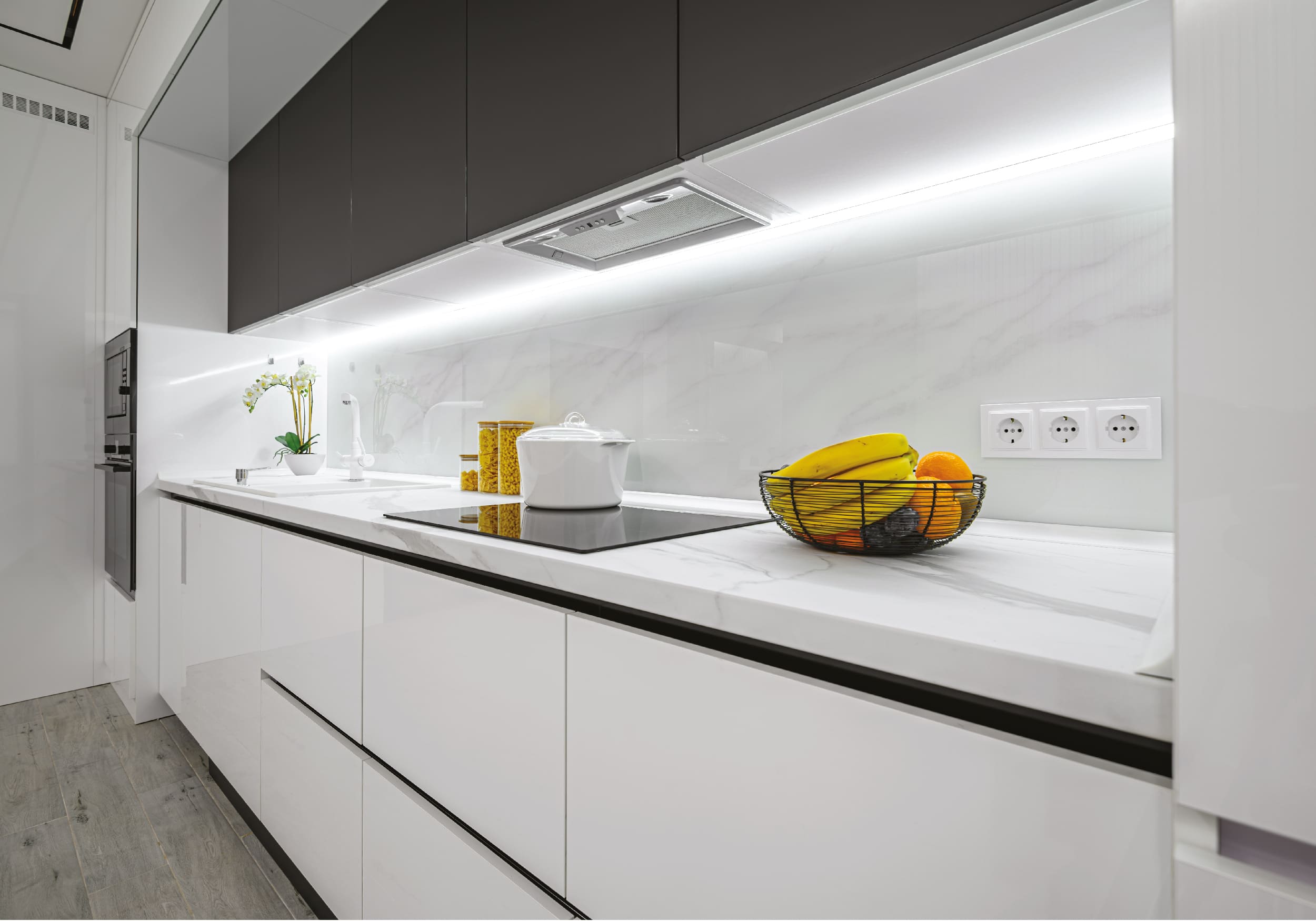
Product: GIZA-DUO-LL
Public and Commercial Spaces
• Offices and Conference Rooms: Neutral to cool light (4000-5000K) ensures brightness and clarity, promoting employee productivity and concentration.• Shops and Commercial Facilities: Neutral and cold light (4000-6500K) helps in realistic reproduction of product colors, which is crucial in retail environments.
• Restaurants and Hotels: Warm light (2700-3000K) creates a cozy and welcoming atmosphere, encouraging guests to relax and spend time.
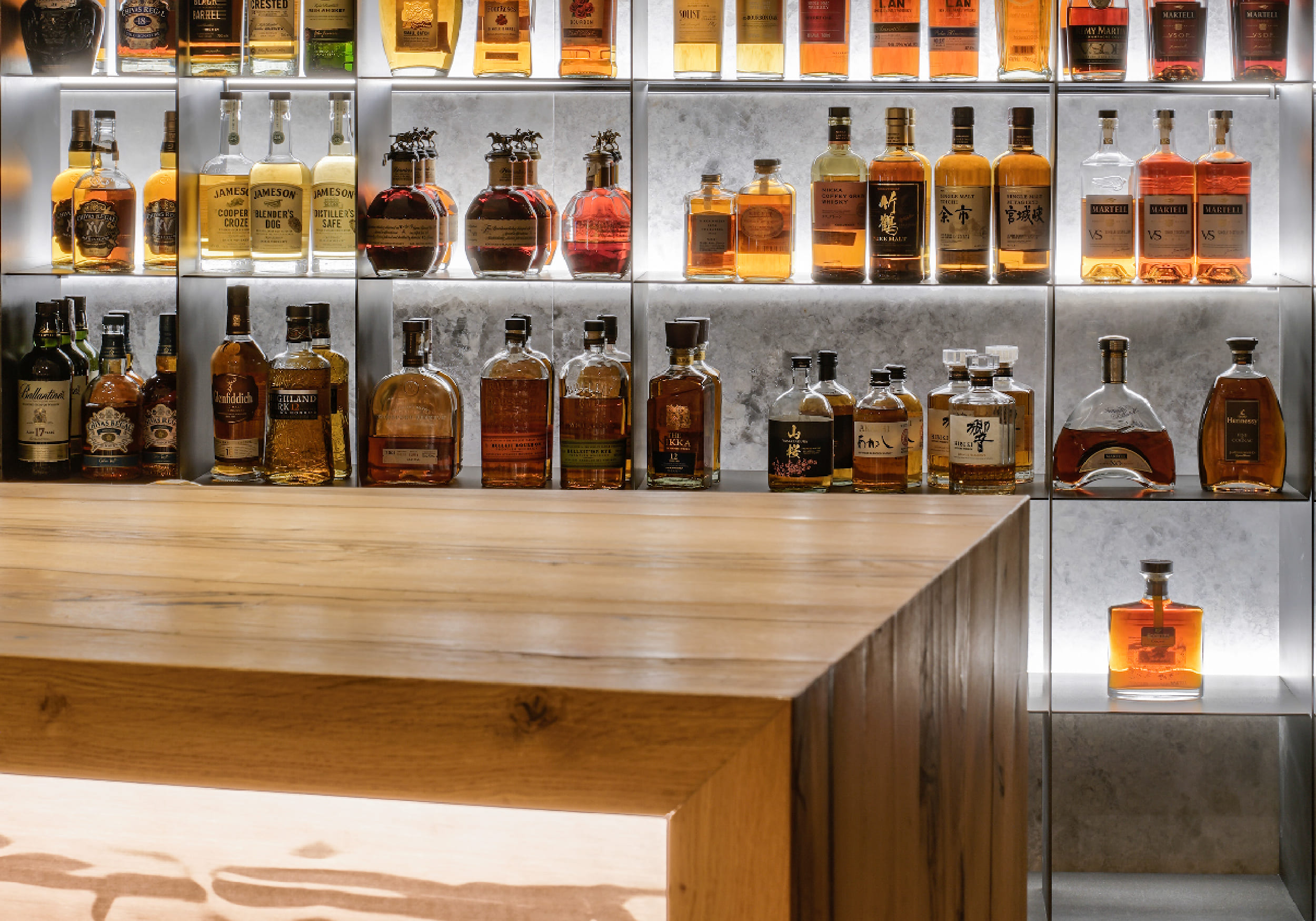
Product: MICRO-PLUS
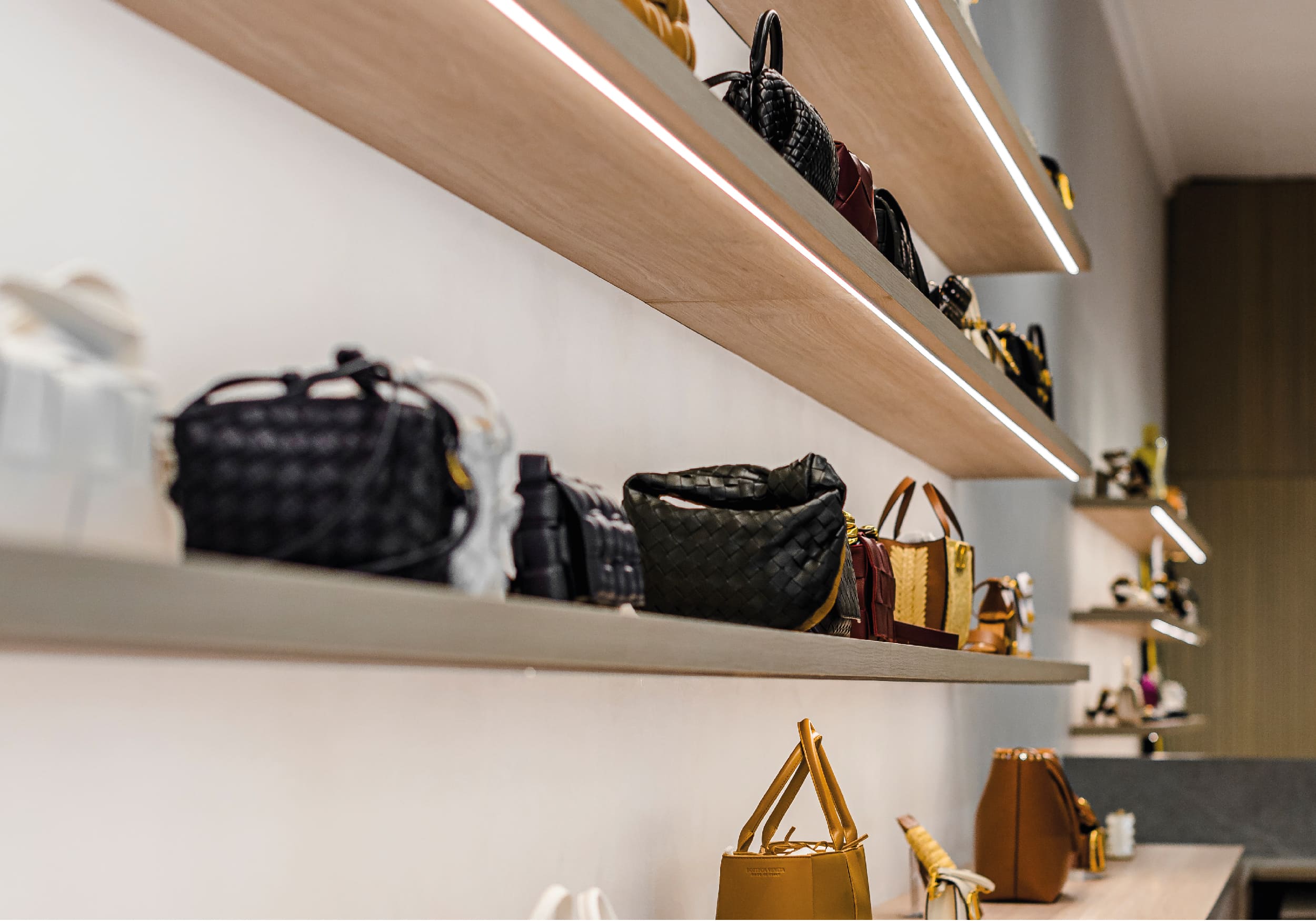
Product: GIZA-LL
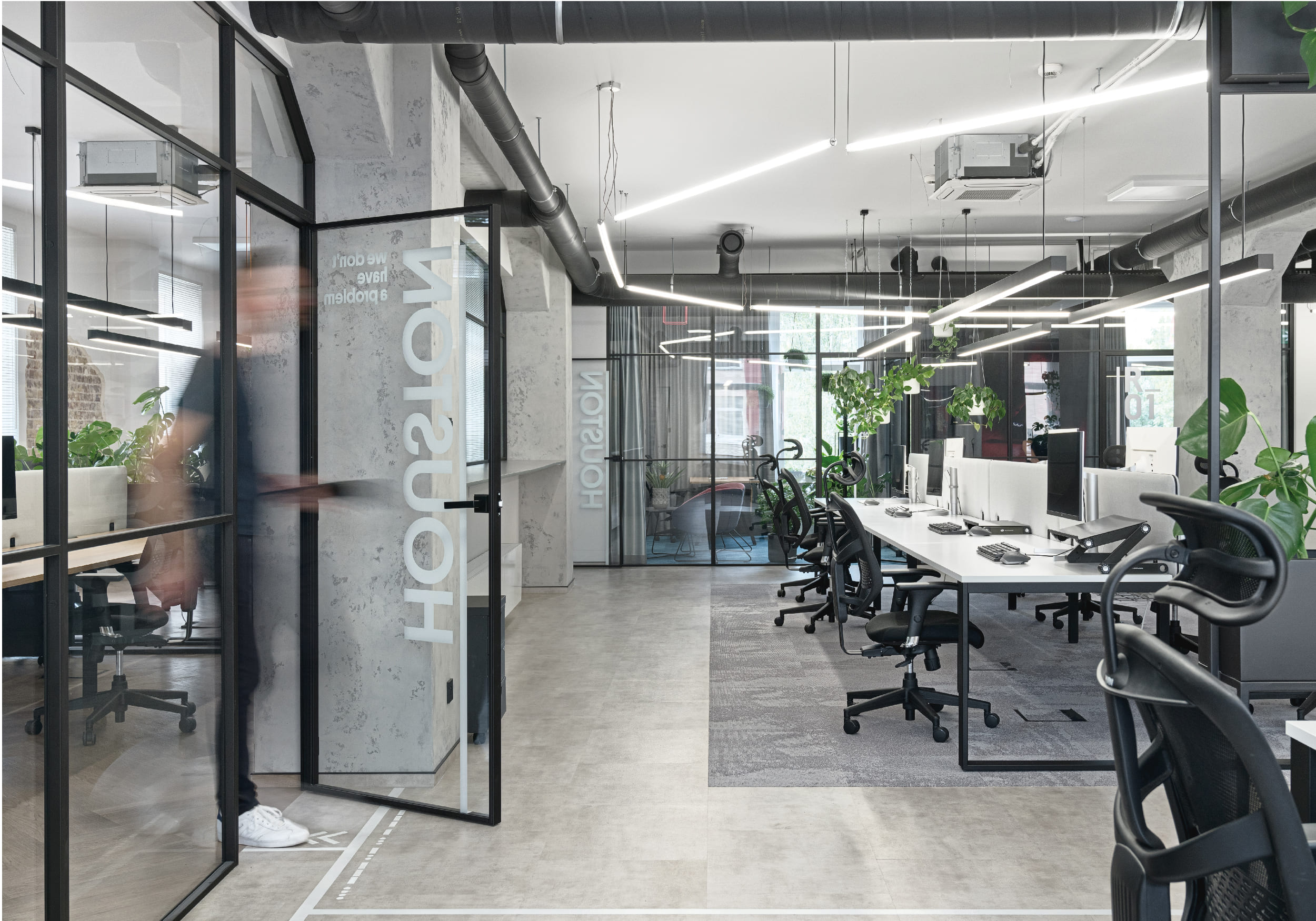
Product: GIZA-DUO-LL
Facade Lighting
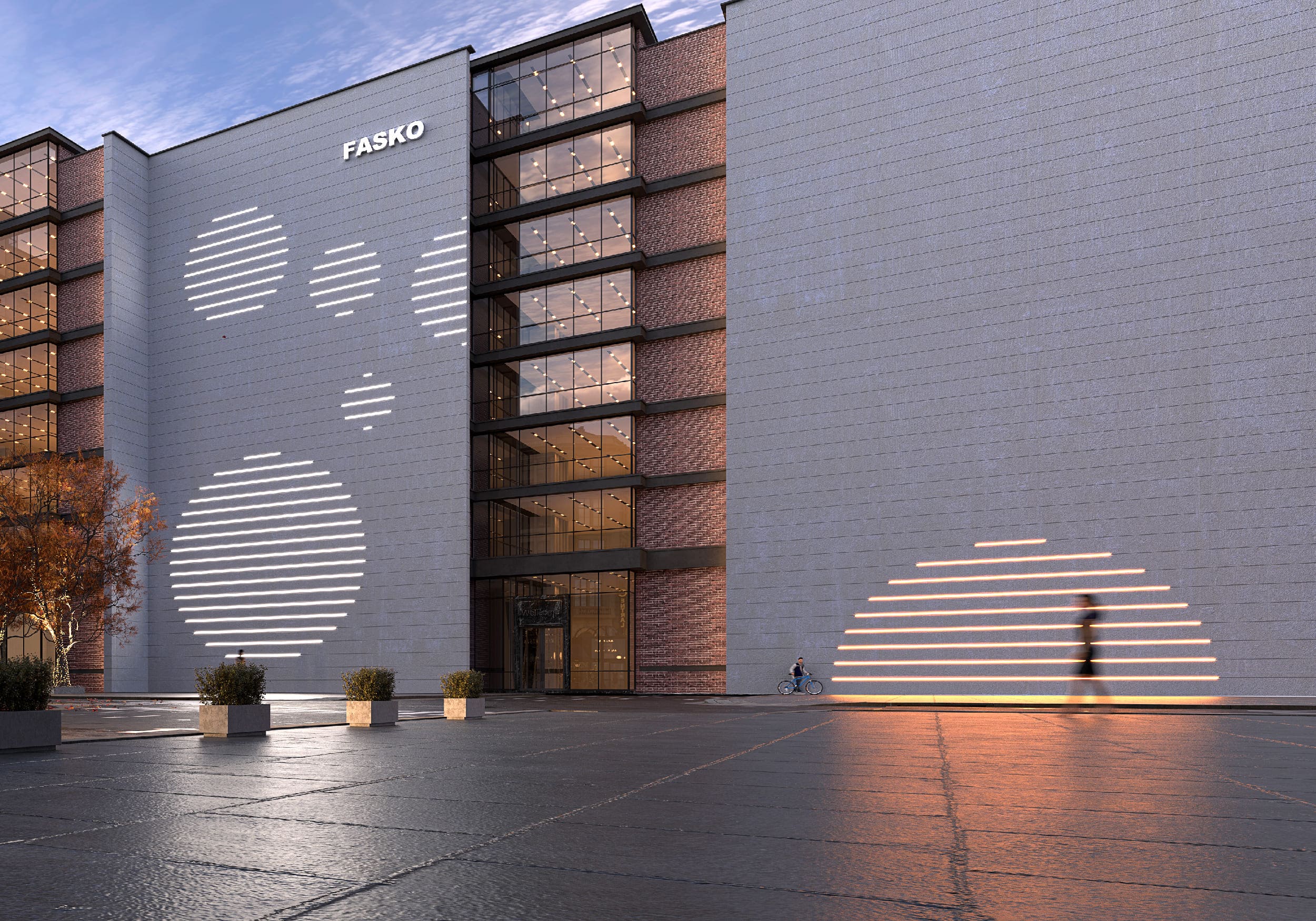
Selecting the appropriate color of LED light to illuminate a building's facade depends on several factors, such as the purpose of the lighting, the nature of the building, its location and aesthetic preferences. Here are some recommendations and tips that may help you make your decision:• Historic tenement houses, single-family houses, restaurants with traditional decor: Warm White Light (2700K - 3000K). Warm white light is ideal for illuminating the facades of residential, historic and traditional buildings. It creates a cozy, inviting atmosphere that highlights architectural details and gives buildings a warm, classic look.
• Modern apartment buildings, office buildings, shops: Neutral White Light (3500K - 4500K). Neutral white light is versatile and suitable for a wide range of buildings. It is often chosen for lighting commercial buildings, office buildings and modern residential buildings because it reflects the natural colors of the facade and highlights modern architectural lines.
• Modern commercial buildings, shopping centers, art galleries. Cool White Light (5000K - 6500K). Cool white light is perfect for highlighting modern buildings and structures. It gives them a dynamic, futuristic look. It is often used in office buildings, shopping centers and building facades where strong, expressive light is required.
Additional Tips
• Contrast and Accent: Using different color temperatures in different areas of the facade can create interesting contrasts and highlight key architectural elements. For example, warm light can be used to accentuate architectural details, while cool light can illuminate larger areas.• Location Context: The choice of color temperature should also take into account the building's surroundings. Buildings in historic districts may look better in warm light, while modern structures in the city center may benefit from cooler light.
• Energy Efficiency and Durability: LED strips boast high energy efficiency and long service life. Selecting the appropriate LED color temperature not only affects the aesthetics, but also the functionality and economics of facade lighting.

Product: MICRO-PLUS
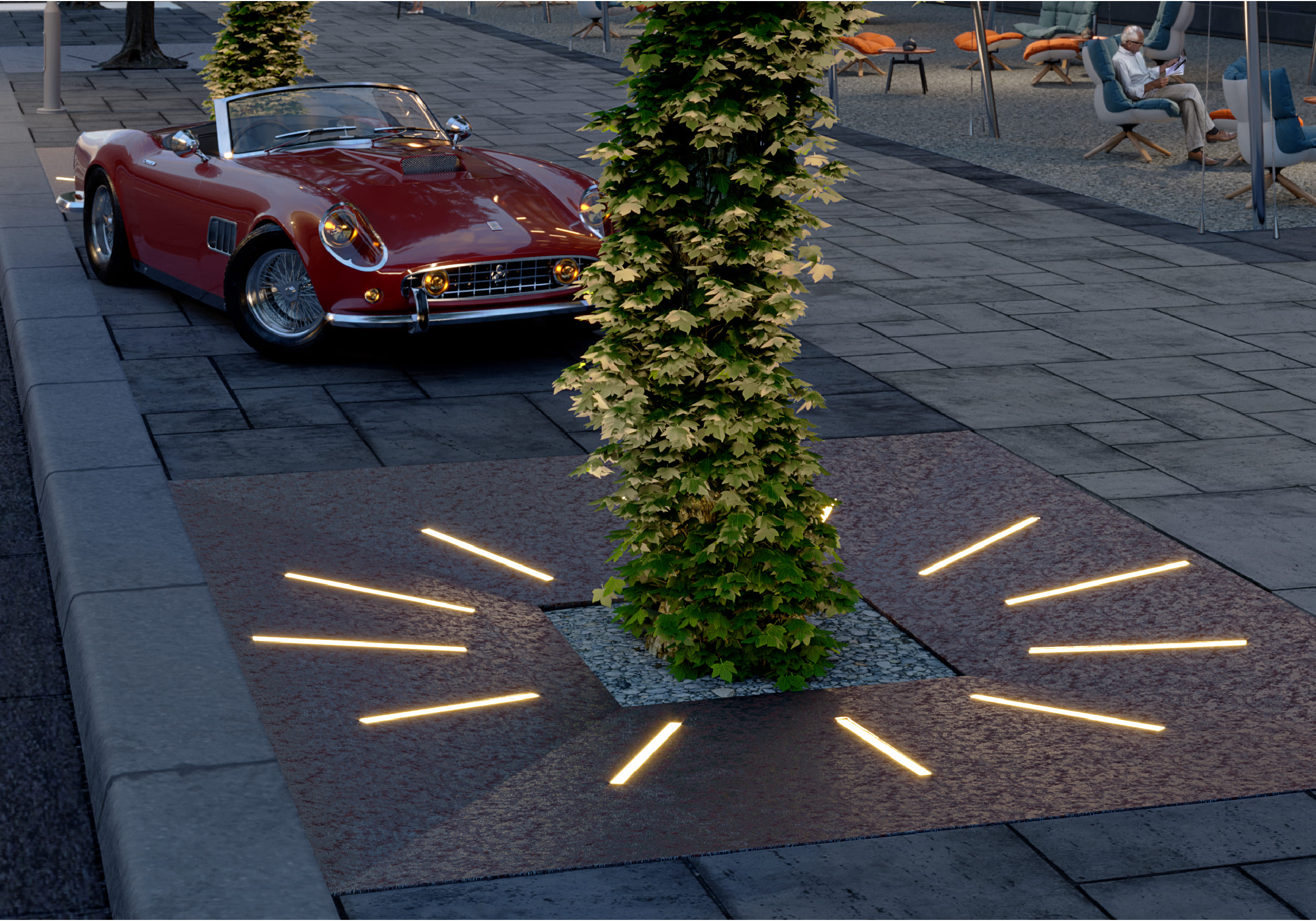
Product: GIZA-LL
Product: GIZA-DUO-LL
LED strips – Modern Lighting Solutions
KLUŚ LED strips are made of high-quality EPISTAR diodes and are placed on a double FPC (Flexible Printed Circuit), which ensures good heat dissipation. These tapes also feature 2-3 oz thick copper traces, which minimizes voltage drops. The 3M double-sided adhesive tape used allows easy installation, and the additional white coating increases the overall light efficiency.For outdoor installations requiring better protection against moisture and dust, LED strips and fixtures are available in versions with protection levels up to IP65 or IP67.
High-quality LED strips, such as those offered by KLUŚ, allow for precise selection of color temperature in the range from 2200K to 6500K. There are also tapes with variable color temperature (Tunable White), "Dim to Warm" tapes that change the color temperature as the brightness decreases, and RGB tapes allowing for a full range of colors.
KLUŚ LED strips are also distinguished by high color reproduction index (CRI), which means that the colors of illuminated objects are faithfully reproduced, which is important in applications such as art galleries or clothing stores.
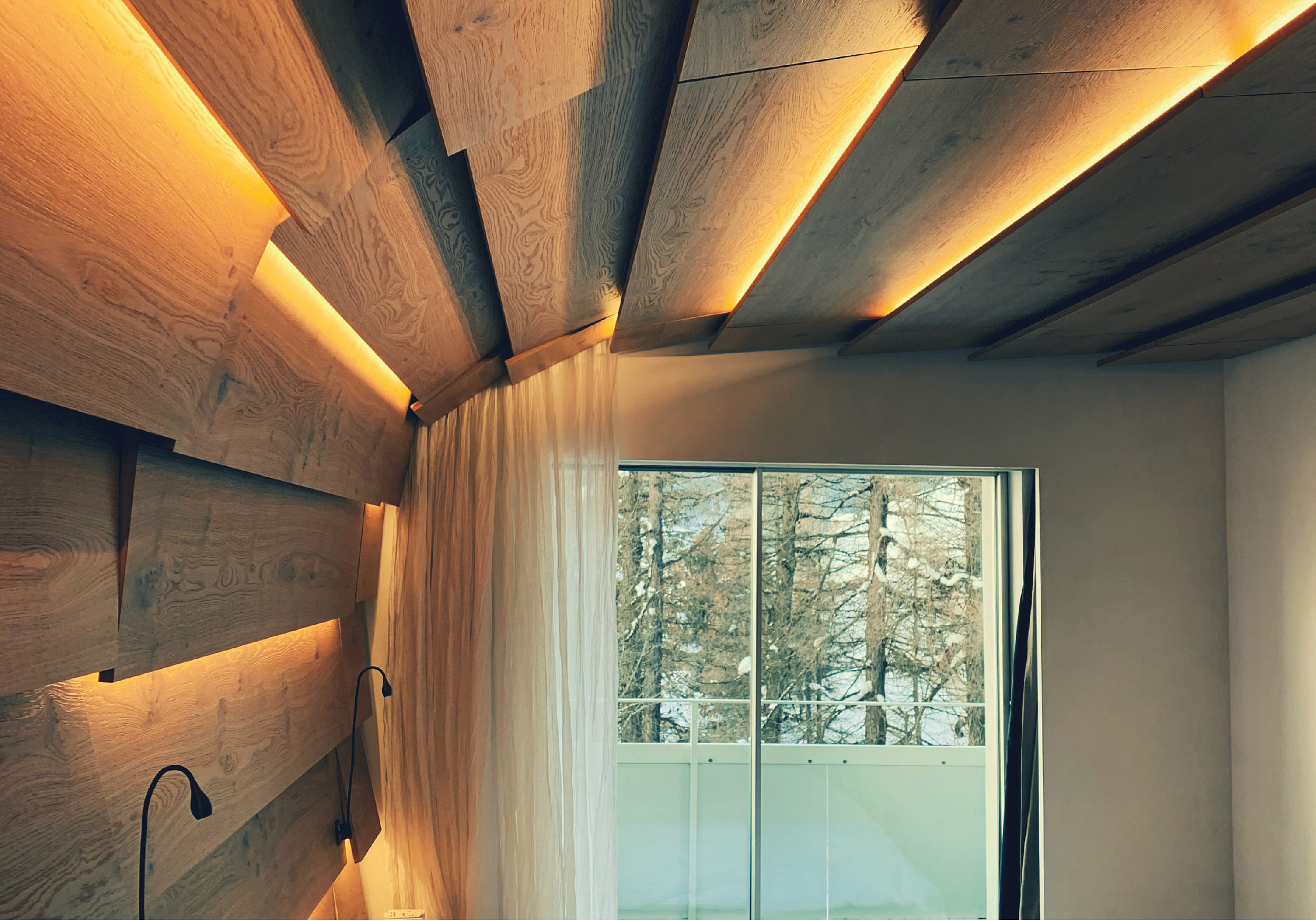
Product: MICRO-PLUS
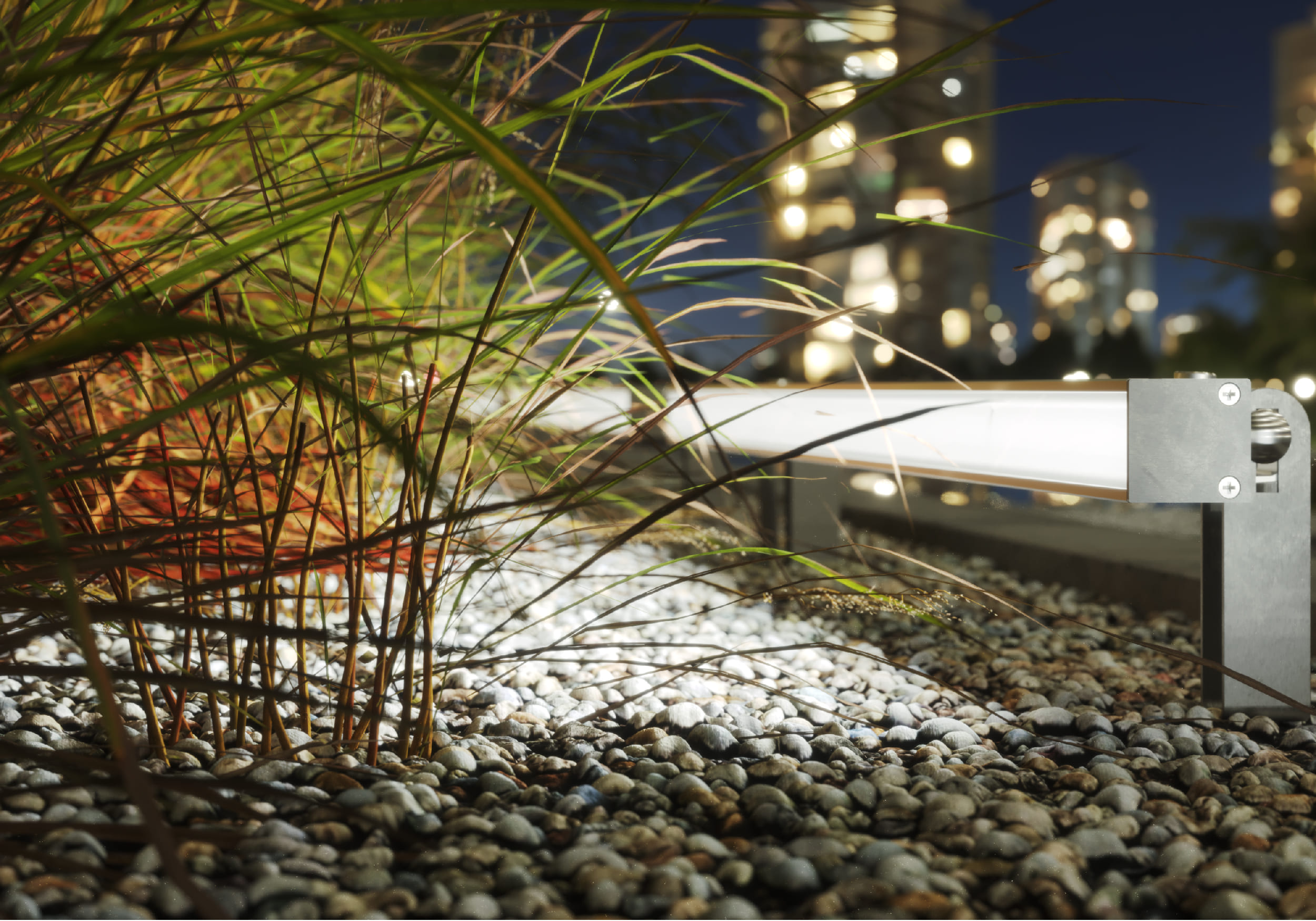
Product: GIZA-LL
Product: GIZA-DUO-LL
LED lighting - Modern Solutions
LED technology allows you to precisely adjust the lighting to your needs. LEDs offer not only a variety of color temperatures, but also advanced lighting management options:• Remote Control: Many LED systems can be controlled remotely using mobile applications, allowing you to adjust the lighting to your current needs without having to directly touch the switches.
• Programming and Scheduling: The ability to set lighting schedules allows you to automatically adjust the color and intensity of light during the day, which is especially useful in offices and schools, where appropriate lighting supports concentration and productivity.
Modern Solutions and Certificates
Modern LED strips also offer the ability to adjust the light color and intensity, so you can adapt the lighting to various needs. Models such as Tunable White or Dim to Warm allow you to dynamically change the light color, adapting it to different times of the day and moods.Moreover, all KLUŚ LED strips meet rigorous standards and have the necessary certificates, such as CE, ROHS and UL, which guarantees their safety and high quality.
Summary
Light plays a key role in our everyday lives, influencing our health, well-being and efficiency. Thanks to modern solutions, such as KLUŚ LED strips, we can easily adapt the lighting to our needs, creating both cozy interiors and dynamic workplaces. Bearing in mind the effect of different colors of light on our well-being, we can create spaces that are not only functional, but also conducive to our health and well-being.Choosing the right color temperature of LED strips is crucial to creating the desired atmosphere in any room. From warm, relaxing light in the bedroom to cool, stimulating lighting in the office – the possibilities are almost endless. With high-quality LED strips from KLUŚ, which offer a wide range of color temperatures and advanced adjustment options, you can easily adjust the lighting to your individual needs and preferences.
Thanks to proper planning and selection of LED lighting, we can not only improve the comfort of life, but also increase the visual attractiveness of our spaces.
